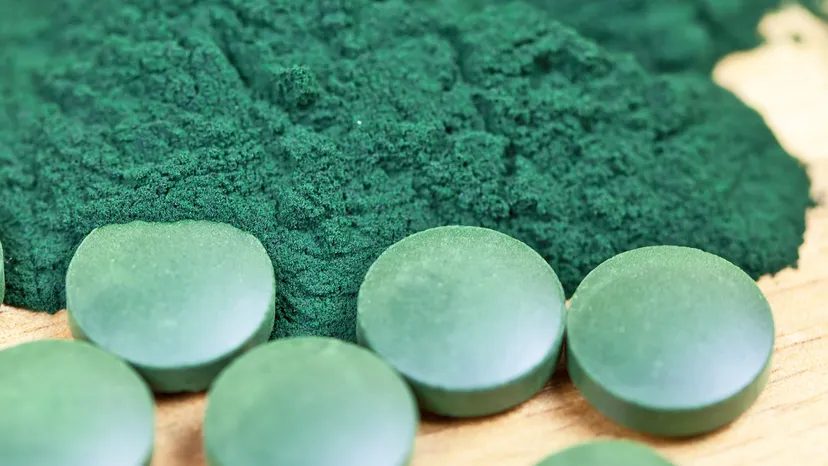
Chlorophyll is everywhere today. You can find it in water bottles, spritzes, and capsules, and it’s marketed as a miracle cure for acne and aging. It’s the pigment that makes plants green, the engine of photosynthesis, and more and more on supplement shelves. But is it really good for you or just another wellness fad?
The appeal is easy to understand. Chlorophyll contains a lot of antioxidants. These compounds help fight oxidative stress, cell damage associated with aging and disease. As registered dietitian Diana Gariglio-Clelland points out, antioxidants are abundant in the colorful pigments of fruits and vegetables. This is why experts have long preached the “eat a rainbow” rule. Extracting this green power into a pill or liquid seems like a logical shortcut.
But here’s the catch. Why take supplements when you can get chlorophyll from spinach?
Absorption problem
Many people avoid leafy greens. They lack volume and variety in their diet. For them, chlorophyll preparations offer a concentrated solution. But there’s a biological reason some people like the supplement: absorption.
Natural chlorophyll can break down in your digestive tract before being absorbed by your body. Solution? Chlorophyllin. This is a semi-synthetic, water-soluble version of chlorophyll. It replaces magnesium with copper, making it more stable and potentially more effective in delivering antioxidants to the bloodstream.
Chlorophyllin comes in different forms:
– Pills
– Capsules
– Powders
– Drops
– Sprays
– Infused waters (such as the popular “chlorophyll water”)
Fortified waters are becoming more and more popular and promise a plant-based hydration boost.
But the science behind it is still catching up.
What does the research say?
Let’s be clear about the evidence. Most of the research on chlorophyllin has been done in animals or in small human trials. Large, peer-reviewed human studies are largely missing. This does not mean that the results are useless, but it does mean that expectations should be tempered.
We know some things for sure. Chlorophyllin has been used as an “internal deodorizer” since the 1940s. Doctors found that it reduced the foul odors in wounds. Today, it is sometimes prescribed to patients with an ileostomy or colostomy to manage odor. A small 2016 study in Japan supported this use.
There is also early evidence that chlorophyllin can slow bacterial growth and accelerate healing in animal models. Some proponents claim that it fights cancer and clears the skin, but these benefits are primarily seen in preclinical studies. We do not yet have robust human data to confirm these effects.
Safety and side effects
For most people, chlorophyllin appears to be safe. Side effects are rare and usually mild. The most common problem is gastrointestinal distress such as diarrhea, especially in liquid forms.
However, caution is advised.
1. Pregnancy and breastfeeding: There is not enough research on the effects of chlorophyllin during pregnancy or breastfeeding. Doctors recommend avoiding it in these cases unless approved by a physician.
2. Drug interactions: The government does not regulate supplements like drugs. Quality and potency may vary. Chlorophyllin can interact with certain medications, especially in high doses. Always check with a physician or pharmacist before starting.
The standard dose of chlorophyll is typically 100-300 milligrams per day split into three doses. But again, this is a general guideline, not a prescription.
The Bottom Line
Chlorophyllin is not a magic bullet. It is a dietary supplement with promising early research results and a long history of safe use for specific purposes such as odor control. However, it should never replace a diet rich in fruits and vegetables.
Registered dietitian Amanda A. Kostro Miller warns, “Do not use these supplements as a substitute for many fruits and vegetables in your diet.”
If you like chlorophyll water or pills, these can be a harmless addition to your routine. Just don’t expect them to do the work of a salad. And if you’re interested in the benefits, you can always make your own version at home. A simple mixture of water and parsley provides natural chlorophyll without the price tag or regulatory uncertainty.
The trend is not going away anytime soon. But until larger human studies are emerge, it’s best to see chlorophyll supplements as a potential bonus rather than a foundation. Your body will probably thank you for the greens, supplement or not.