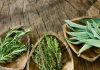
As we get older, aches and pains become the norm. Most people accept this as an inevitable part of the aging process. Fewer realize that natural herbal remedies can actually help relieve arthritis pain. These options offer a different path for those seeking relief beyond standard pharmaceuticals.
Understanding the Two Main Types
Arthritis is not a single condition. It is a painful, debilitating joint disease typically split into two categories: osteoarthritis (OA) and rheumatoid arthritis (RA). Knowing which type you have matters. The causes and treatments differ significantly.
Osteoarthritis involves the slow deterioration and hardening of joint cartilage. Bone spurs often form in these areas. The result is deformity and limited mobility. Inflammation is usually absent or minimal. This type most commonly affects people aged 65 and older.
Rheumatoid arthritis is different. It is characterized by inflammation of the membranes surrounding joints. These areas become tender and swollen. RA is an autoimmune disorder. The body’s immune system attacks its own tissues. It strikes most often between ages 20 and 40. More women than men suffer from this condition. The attack often happens symmetrically. Both hands or both knees might be affected. Joints can become permanently deformed.
Herbal Strategies for Joint Health
Some herbs show promise in managing these symptoms. Horsetail contains a cornucopia of minerals. Silicon is a key component. This mineral may help nourish joint cartilage. Ample tissue-building minerals in the diet keep bones healthy. This may help prevent bone spurs, a common complication of arthritis.
Diet also plays a role. Researchers have reported that people with RA who follow a predominantly lacto-ovo vegetarian diet notice significant improvements. This diet includes eggs and dairy but excludes meats. The study duration was one year.
Food sensitivities are another factor. In some people, arthritic conditions relate to food allergies. Common triggers include wheat and dairy. Others believe nightshade family foods aggravate their condition. Tomatoes, potatoes, and peppers are on this list. Not everyone notices a connection.
If you suspect certain foods play a role in your symptoms, test them. Eliminate suspect foods for one week. Remove nightshades for several months. Add eliminated foods back into your diet one at a time. Wait every four days. Note any reactions. This trial and error process requires care.
During such periods, keep eating a nutritionally balanced diet. Support your body’s healing efforts. You may need a more extensive elimination to identify multiple allergenic foods. Consult a nutritionally oriented physician for guidance. They can help you attempt this safely and effectively.
These suggestions are just the beginning. Many other safe, effective herbal remedies exist for arthritis management. The journey toward relief is often personal. You might find that one herb helps where another fails. Or perhaps diet changes provide the most lasting benefit. The landscape of natural health is vast. Exploring it requires patience and attention to your own body’s signals.
You can supplement your diet to help treat arthritis, but adding specific herbs into the routine stops pain directly. Some garden herbs act as analgesics. They relieve pain. But do not try to eliminate all pain. Pain is a reminder to rest joints under stress. Other herbs reduce inflammation. They protect joint cartilage. They also remove toxins that accumulate in joints.
Pain-relieving herbs include cayenne pepper. It is in the nightshade family. Arthritis sufferers are typically not bothered by it. A cream made from peppers is most effective. Multiple clinical studies show it works for people with osteoarthritis and rheumatoid arthritis. Arnica is a moderately strong pain reliever. It is used externally only. Mint, wild yam, and yarrow are mild analgesics. Make a tea out of one or more of the latter three. Use arnica in a massage oil or ointment to rub into sore spots. Do the same with cayenne, juniper, rosemary, chamomile, or thyme.
Reducing Inflammation Naturally
There is a bountiful supply of anti-inflammatories in the garden that can help RA. Foods such as apples, parsley, and hot peppers help decrease inflammation. There are many herbs that also reduce inflammation of tissues and joints. Chamomile, elderberry, feverfew, goldenseal, licorice, marshmallow, nettle, skullcap, wild yam, wormwood, and yarrow all have compounds that fight inflammation. Pick a few of these herbs that are suited to your climate and will fit into your herb garden. Make an infusion of several and sip as tea. Combine with other pleasant-tasting herbs if you prefer. Refer to the individual herb profiles for guidance on which plant parts to use and how to prepare them.
Flushing Out Toxins with Diuretics
Some physicians speculate that toxins in the system may irritate joints and prevent cartilage from forming normally. In this case, diuretics may help by flushing out toxins. Herbal diuretics include parsley, hydrangea, burdock, dandelion, horsetail, and goldenrod. Brew a tea of one or several of these. When using diuretic herbs, be sure to eat plenty of fruits and vegetables that are rich in potassium. Your body might get rid of too much potassium as it eliminates excess water. The best source is dandelion leaves. Running low on potassium can precipitate a heart attack and even death. Your heart needs this mineral to keep beating regularly and to normalize blood pressure.
- Do not use juniper if you have kidney disease. Wormwood should be used only in small amounts for short periods of time.
Arthritis Recipes
Horseradish poultice: Use fresh horseradish root. Process with enough hot water in a blender to make a thick paste. Soak a piece of thin cotton fabric in hot water, then spread the horseradish root mixture onto the cloth. Cover with a second layer of dry cotton fabric. Place the moist side of the poultice over a sore joint. Leave on for 15-30 minutes. Use a hot water bottle on top of the poultice to keep it hot. If it becomes uncomfortable, remove the poultice. It is normal for the skin to redden, as the heat increases circulation in the affected area.
Juniper compress: Make a strong infusion with juniper berries or their tincture. Soak a cloth in the warm liquid. Apply to aching joints.
Arthritis can be debilitating. These herbal remedies can significantly reduce pain sensations. They make life more enjoyable for people who live with painful joints.
The Reality of Unregulated Remedies
This isn’t medical advice. It’s a disclaimer.
Neither the editors, the author, nor the publisher take responsibility for what happens if you try a new treatment, diet, or medication based on what you read here. The internet does not replace your doctor. Ever.
If you are thinking about trying a complementary therapy or an herbal remedy, pause.
Most of these methods have not been subjected to rigorous scientific studies. That means their safety profile is fuzzy at best. Their effectiveness is a guess.
There is a real risk of severe adverse reactions. Especially when you mix natural supplements with prescription drugs or over-the-counter medicines. Interactions can be dangerous. The information available to you is often limited. Incomplete.
Regulation is another minefield. Rules vary by state. They vary by discipline. There is no universal standard for licensing. Just because someone calls themselves a practitioner doesn’t mean they are held to a professional standard.
If you do decide to visit one, look for credentials. Choose someone licensed by a recognized national organization. Make sure they abide by its standards. It’s the only way to filter out the noise.
But the most important step is simpler.
Talk to your primary health care provider before starting anything new. Don’t guess. Don’t assume it’s safe because it’s “natural.”
Get the advice. Then decide.