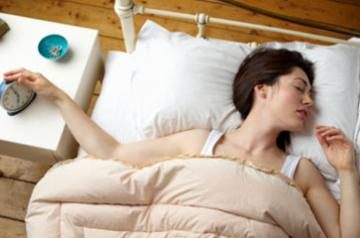
Falling asleep might look easy from the outside. We do it every night, after all. But most of us are terrible at it. We treat sleep like an on/off switch instead of a physiological process that requires preparation.
Take Henry. Henry runs his life at 80 miles per hour. He works hard. He rushes home. He tries to squeeze errands, hobbies, and chores into the tiny window between work and collapse. He doesn’t think about rest until his body literally forces him to stop. Then, exhausted, he assumes that brushing his teeth and pulling back the covers will magically trigger deep REM sleep.
It doesn’t work.
Henry’s body is still revving. His mind is still spinning. He slams on the brakes without cooling down. The result? Tossing. Turning. Frustration. Sound sleep isn’t a spell you cast at 11 PM. It’s the payoff for choices made hours earlier.
This isn’t just Henry’s problem. More than half the United States population reports sleep issues. We’re sleep-deprived because we don’t prepare for it. If you want to stop fighting your own biology, you need a strategy.
To maximize your sleep time, you need to address four specific areas:
* Daytime preparation habits
* Deliberate scheduling of sleep patterns
* Pre-sleep relaxation routines
* Environmental control
Prepare for Sleep All Day
Your night’s rest starts when you wake up. Every choice you make from that first moment of consciousness ripples forward into the evening. Smart daytime moves lead to sounder nights. Poor choices lead to fatigue and insomnia.
Consider exercise. Physical activity is one of the most effective ways to improve sleep quality. But when you work out matters. Getting your heart rate up at the right time signals your body that it’s active during the day and safe to rest at night.
Sound sleep isn’t a spell you cast at 11 PM. It’s the payoff for choices made hours earlier.
The goal isn’t just to close your eyes. It’s to ensure your body is ready to drop into restorative rest when it matters. That requires intention. Not just before bed, but all day long.
This information is solely for informational purposes. IT IS NOT INTENDED TO PROVIDE MEDICAL ADVICE. Neither the Editors of Consumer Guide (R), Publications International, Ltd., the author nor publisher take responsibility for any possible consequences from any treatment, procedure, exercise, dietary modification, action or application of medication which results from reading or following the information contained in this information. The publication of this information does not constitute the practice of medicine, and this information does not replace the advice of your physician or other health care provider. Before undertaking any course of treatment, the reader must seek the advice of their physician or other health care provider.
Why Morning Workouts Might Not Be Your Best Bet for Sleep
Most people say they skip the gym because they’re exhausted. It feels like a catch-22. You’re too tired to move, so you don’t move, which makes you more tired. The cycle is real. But here is the twist: the fatigue is often a symptom of poor sleep hygiene, not a lack of energy. We all know exercise is good for us. It lowers blood pressure, strengthens bones, and fights stress. We just never seem to do it.
There is one benefit we rarely mention until it’s too late: exercise helps you sleep better. But timing matters more than intensity. If you think a late-night sweat session will knock you out, you’re likely wrong.
The Timing Trap: Why Late-Night Cardio Backfires
Exercising vigorously within three hours of bedtime can actually make falling asleep harder. It surprises people. We assume that if we burn calories, we’ll be ready for bed. Instead, you’re stimulating your heart, brain, and muscles. Your body temperature spikes. That is the opposite of what you need for rest.
Morning exercise helps too. It lifts your mood and reduces stress. Indirectly, that helps sleep. But if you want a direct link, pair your morning workout with natural sunlight. Light exposure reinforces your circadian rhythm. It tells your body when to wake up and when to wind down. This simple shift can improve night-time sleep quality without you doing much else.
The Golden Window: Late Afternoon Cardio for Better Rest
If you want the biggest boost for your sleep-wake cycle, aim for the late afternoon or early evening. Why does this specific window work? It raises your body temperature a few hours before bed. This creates a steep drop in temperature as you get ready for sleep. That drop acts as a biological trigger. It signals your body that it is time to rest.
The type of exercise that drives this effect is cardiovascular. You need to keep your heart rate up and your muscles working continuously for at least 20 minutes. Strength training, yoga, and stretching are great for your body. They just don’t match the sleep-enhancing power of steady-state cardio.
How to Build a Sleep-Friendly Routine
You don’t need a gym membership. You need consistency. Aim for 20 minutes of vigorous activity three to four times a week. Pick something you enjoy. Walk to work. Jog. Swim. Dance. Jump rope. Play tennis. The key is making it part of your daily life, not a punishment.
Regular exercise can help you feel, look, and sleep better. But only if you time it right.
If you have serious medical conditions, are significantly overweight, or haven’t exercised in years, talk to your doctor first. Start slow. Increase time and intensity gradually. One injury can sideline you for months. Don’t let a sprain ruin your sleep goals.
The relationship between light and sleep is equally complex. The next section dives deeper into how sunlight dictates your internal clock.
This content is for informational purposes only. It is not intended as medical advice. Neither the authors, editors, nor publishers accept responsibility for any consequences resulting from treatment, exercise, or dietary changes. This information does not replace professional medical advice. Always consult your physician or healthcare provider before starting any new treatment or exercise program.
Resetting your internal clock with morning light
It feels backward. You want to sleep better at night, so you chase the sun at 7 a.m.
But the connection is real. Morning light doesn’t just wake you up. It anchors your circadian rhythm, which is the master regulator of sleep. Without that anchor, your internal timepiece drifts. You stay up later. You wake up later. The cycle reinforces itself until you are fighting a losing battle against your own biology.
Your biological clock lives in the brain. It ticks like a watch, but it has a flaw. It naturally drifts forward. If you ignore daylight, your body assumes the day is longer than 24 hours. This is why people in isolation often settle into a 25-hour cycle. They lose sync with the world. They cannot sleep when they want to. They cannot wake up when they must.
Morning light fixes this.
It acts as a daily reset button. It forces the clock back into alignment with the earth’s rotation. This is how early-morning sunlight helps you sleep at night. It creates a strong signal that says: “The day starts now.” It suppresses melatonin production and sets the timer for its release roughly 14 to 16 hours later.
Why timing and type of light matter
Not all light is equal. The effect depends on intensity, duration, and timing.
Your circadian system is most sensitive to light between 6:00 a.m. and 8:30 a.m. Exposure during this window provides the strongest phase-shift. If you wait until noon or afternoon, the benefit drops significantly. Later in the day, light can actually push your clock later, making it harder to fall asleep at a reasonable hour.
The source matters too. Indoor lighting, even bright office fluorescents, is often too dim to trigger the necessary response. You need something closer to natural daylight.
Research indicates that direct outdoor sunlight for at least 30 minutes is the gold standard. Even on an overcast day, outdoor light intensity is thousands of times greater than indoor bulbs. This is why a half-hour walk outside beats sitting in front of the brightest lamp in the room.
Light boxes and seasonal depression
There are commercial light therapy boxes designed to mimic sunlight. They are commonly prescribed for Seasonal Affective Disorder (SAD). This condition causes depression during darker winter months when natural light is scarce.
While these devices can be effective for mood regulation, they are not perfect substitutes for the sun. A study comparing the two found that even the most powerful light box does not deliver the same phototherapy dose as 30 minutes outside on a cloudy day. The spectral quality and intensity of natural light remain superior for resetting the circadian rhythm.
If you cannot get morning sunlight, these devices offer a compromise. They are better than nothing. But they are not the same as stepping outside.
The drift is real
People who are deprived of light for long periods show dramatic changes in sleep, body temperature, and hormone cycles. Their biology falls out of step with the day. You are unlikely to be in total darkness for weeks. But if you wake up in a dark room, check your phone, and skip the morning sun, you are creating a mild form of deprivation.
Your clock drifts. Your sleep suffers.
You cannot control the weather. You cannot control when the sun rises. You can control whether you walk into that light.
It is a small action. It sets the tone for the next 16 hours. Skip it, and you are swimming upstream. Embrace it, and the current works for you.
Morning light helps to regulate your biological clock and keep it on track.
This mechanism is proven. It is not theory. It is physiology. The sun is the strongest zeitgeber, or time-giver, we have. Use it.
There are other factors that disrupt sleep. Stress is one. Cortisol spikes keep you awake. We will look at how stress interferes with rest in the next section.
This content is for informational purposes only. It does not constitute medical advice. Consult a healthcare professional before making changes to your routine, especially if you have a history of sleep disorders or mental health conditions.
Why You Can’t Get Used to Stress (Even When It Feels Normal)
We all know the feeling. You’re wired. Your mind won’t shut off. You toss. You turn. The solution seems obvious, yet we rarely follow it. We need less stress. Not more coping mechanisms. Not more sleep aids. Less stress.
Here is the trap most people fall into. Imagine moving into a new home. Just outside your window, a factory pumps out thick, smelly smoke. At first, you are furious. You can’t breathe properly. You can’t think. But after a few weeks? You stop noticing it. You become conditioned to the stench. You ignore it. But the smoke is still there. It is still unhealthy. Your body is still absorbing it, even if your conscious mind has tuned it out.
Chronic stress works the exact same way.
You get bombarded daily. Rushed schedules. Traffic that never moves. Family obligations that pile up. You adapt. You stop feeling the spike of anxiety. You don’t realize how stressed you are until you snap. Until you have a breakdown. Until that final straw breaks the camel’s back. This constant, low-level exposure to cortisol and adrenaline makes deep sleep nearly impossible. It wrecks your overall health. You are sleeping, but you are not resting.
You cannot avoid stress. If you breathe, you will face frustrating situations. Deadlines. Conflicts. Unexpected bills. The goal is not elimination. It is management.
Start by assessing control. What is in your hands? What is not? If your boss sets an unrealistic deadline, you cannot change the date. You have no control over that. But you have total control over your response. You can choose panic. Or you can choose strategy. Focusing on your reaction puts you back in the driver’s seat. It turns a chaotic situation into a manageable problem.
Therapists who specialize in stress reduction agree on one thing. Your body is the best alarm system. Pay attention to it. Notice the tightness in your shoulders. The shallow breathing. The irritability. If you catch these signs early, you can intervene. You can stop stress from hijacking your sleep before it even starts.
This matters for nighttime rest. Have you ever crawled into bed, exhausted, desperate to forget a terrible day? And then spent three hours staring at the ceiling, replaying every conversation? That is stress working on your mind. The emotions you ignored during the day rise to the surface in the quiet of night. They demand attention.
When you dwell on these events, your body reacts physically. The brain signals the release of stress hormones. It triggers the fight-or-flight response. This is useful if a dog is chasing you. It is useful if a car is speeding toward you. It prepares your body for action. But it is terrible for sleep.
When the threat is mental, not physical, that heightened alertness keeps you awake. You are physically tired but mentally activated. By dealing with stressors immediately during the day, you reduce the likelihood of being kept awake by them at night.
You can also control when you nap. This decision impacts your nighttime rest directly. Learn how napping may affect your nighttime sleep on the next page.
This information is solely for informational purposes. IT IS NOT INTENDED TO PROVIDE MEDICAL ADVICE. Neither the Editors of Consumer Guide (R), Publications International, Ltd., the author nor publisher take responsibility for any possible consequences from any treatment, procedure, exercise, dietary modification, action or application of medication which results from reading or following the information contained in this information. The publication of this information does not constitute the practice of medicine, and this information does not replace the advice of your physician or other health care provider. Before undertaking any course of treatment, the reader must seek the advice of their physician or other health care provider.
The Timing Trap of Afternoon Rest
The debate over napping is rarely resolved. For some, an afternoon snooze is a daily necessity. For others, it is a saboteur of nighttime sleep. The difference isn’t magic. It is biology.
Your body is wired with a specific rhythm. About eight hours after you wake up, your body temperature drops for the first of two daily dips. This is the biological window where the urge to nap hits hardest. Catching this wave correctly can boost alertness. Miss it, or stay on the wave too long, and you pay the price later.
Why Shorter Is Usually Better
A short nap taken in the early to middle afternoon acts like a system restart. It brings renewed energy. It sharpens focus. But shift that window to the late afternoon or early evening, and the rules change.
Late naps can disrupt your sleep cycle. They make falling asleep at bedtime significantly harder. To get the benefits without the penalty, there are two strict guidelines:
– Keep the nap under 30 minutes.
– Take it no later than mid-afternoon.
Why 30 minutes? Because that is the threshold before your body enters deeper sleep stages. If you wake up during deep sleep, you will feel groggy. This is known as sleep inertia. It can linger for hours.
The Exception: Severe Sleep Debt
There is one scenario where a short nap fails. If you are severely sleep deprived and must nap, short bursts may not help. In that case, it is better to sleep for a longer period. You need to complete at least one full sleep cycle to avoid waking up in the middle of deep sleep.
An average sleep cycle takes about 90 minutes.
If you are caught in this trap, aim for that 90-minute mark. It allows your body to cycle through light sleep, deep sleep, and REM, ensuring you wake up during a lighter stage.
Building a Rhythm
Consistency matters. If you find yourself needing a nap every day, take it at the same time. Your body can develop a rhythm that incorporates this rest. It becomes part of your daily architecture.
If you lie down and cannot sleep, do not stress. Simply resting with your eyes closed can still help restore some alertness and energy. The act of disengaging from stimulation is often as restorative as sleep itself.
Strategic Napping for Future Sleep Loss
Naps can also be used strategically. If you know you will be up late for an event, you can pre-empt the fatigue. Taking a prolonged nap of two to three hours earlier in the day can reduce fatigue at your normal bedtime.
It improves alertness when you need it most. But be aware. This approach may throw off your normal sleep rhythm temporarily. It is a trade-off. You gain short-term energy. You risk long-term consistency.
The Link Between Food and Sleep
Your sleep cycle is not isolated from your diet. What you eat affects how you rest. A healthy eating pattern can help lull you into a more restful state. This connection between nutrition and sleep warrants further exploration.
This content is for informational purposes only and is not a substitute for professional medical advice. Always consult a healthcare provider before making changes to your sleep habits or diet.
Why Dinner Timing Matters More Than You Think
The link between what we eat and how we sleep isn’t always black and white. But one thing is clear: a diet rich in fresh produce, whole grains, and lean proteins supports overall bodily function. This isn’t just about weight management. It’s about preventing chronic conditions like heart disease and diabetes. These conditions, and the medications used to treat them, can wreak havoc on rest. Eating wisely is essentially an insurance policy for your sleep.
Most Americans follow a pattern that might be sabotaging their rest. A light breakfast. A moderate lunch. A heavy dinner. This reverse-order eating strategy often leads to discomfort. Indigestion. Heartburn. A full stomach pressing against the diaphragm. It’s hard to sleep when your digestive system is working overtime.
Try flipping the script.
How to Structure Meals for Better Rest
A sleep-friendly meal plan often looks like this:
- Breakfast should be the main event. You are breaking an overnight fast. Fuel your morning with substantial nutrients. Whole-grain cereals, yogurt, and fresh fruit provide steady energy without the crash later.
- Lunch stays moderate. Stick to brown rice, whole-grain pasta, or bread paired with protein. Fish, eggs, chicken, or beans work well.
- Dinner must be light. Finish eating at least two hours before bed. Ideally, leave even more time. If hunger strikes late, look for specific sleep-promoting snacks rather than a full meal.
Common Dietary Saboteurs
Beyond meal timing, certain substances and habits can quietly degrade sleep quality.
Caffeine Control
Caffeine is a stimulant. It blocks adenosine, the brain chemical that makes you feel tired. While some people can drink coffee until noon and sleep like a baby at midnight, most cannot. If you struggle with sleep, cut back. Be aware that caffeine hides in unexpected places. Sodas. Teas. Chocolate. Headache medications. Check labels.
MSG Sensitivity
Monosodium glutamate (MSG) is a flavor enhancer found in processed foods and some Asian cuisines. In sensitive individuals, it can cause digestive upset or headaches. These physical reactions can make falling asleep difficult. Eliminating MSG might reveal an unexpected improvement in rest.
Fluid Management
A full bladder is a major sleep interrupter. You need water for bodily functions—aim for about eight glasses a day. But shift your hydration schedule. Drink most of your fluids by the end of dinner. This reduces the need for midnight bathroom trips, allowing for uninterrupted sleep cycles.
The Alcohol Myth
Alcohol makes you feel drowsy. It doesn’t mean it helps you sleep. In fact, alcohol fragments sleep architecture. It disrupts REM sleep and can cause early waking. Skipping the evening drink may lead to deeper, more restorative rest.
Your eating habits are only one piece of the puzzle. The rest of your daily routine plays an equally significant role.
Anchor Your Sleep Schedule
We treat morning rituals like non-negotiable appointments. Coffee. Shower. Email. Yet we treat sleep as an afterthought. A variable schedule is a slow leak in your energy tank. Your body craves regimentation. It wants a clock it can trust.
Establishing a fixed bedtime is not for children alone. Adults who want to sleep deeply need this too. The goal is simplicity. Go to bed at the same time. Wake up at the same time. Every single day. Including weekends.
This regularity sets your internal circadian rhythm. It stabilizes the sleep-wake cycle. Within weeks, the difference is palpable. You feel more alert. Your mind clears faster. The quality of rest improves. So does the quality of your life. Try it for six weeks. See what happens to your energy levels.
Build a Wind-Down Ritual
You need a signal. A clear boundary between “doing” and “resting.” Most people already have fragments of this. Brushing teeth. Lowering the thermostat. Setting the alarm. These are small anchors.
Do them in the same order. Night after night. Consistency is the key.
Avoid stimulation. High-emotion activities spike cortisol. They keep you awake. Do not start assembling new furniture at 10 PM. Do not pay bills thirty minutes before lights out. Move those tasks earlier in the evening. Finish them with time to spare.
You need a buffer zone. An unhurried transition. This ritual provides closure. It quiets the body. It settles the mind. You enter sleep with less noise. Less mental clutter.
Regularity beats intensity. A stable rhythm improves sleep quality more than any supplement.
This nightly routine is just one tool. There are others. Methods to deepen that rest. We will look at them next.
This content is for informational purposes only. It is not medical advice. Consult a physician before making changes to your health routine.
Creating a Pre-Sleep Sanctuary
The hour leading up to bedtime is non-negotiable for sleep quality. It acts as the gatekeeper between the chaos of the day and the rest you need. Used correctly, it allows stress to dissipate. Used poorly, it guarantees tossing and turning. You need a bedtime routine that promotes relaxation to signal to your body that the day is done.
Cultivating Calm
The goal is simple: lower your heart rate. Quiet, pleasurable activities create inner well-being. If you are unsure where to start, experiment until you find what quiets your mind.
Read something light. Avoid technical manuals or dense news. Your brain needs low-stimulation input. A popular magazine, a short story, or devotional reading works well. The content should not trigger analysis or anxiety.
Listen to calming audio. Soft instrumental music is generally the most effective. It lacks the lyrical demands that pull you into active listening. Hard rock or familiar pop beats can have the opposite effect, keeping you alert. Nature sounds are another viable option.
Meditate or pray. These practices help you detach from immediate concerns. They provide a mental pause, allowing you to accept the day’s events without carrying them into the night.
Use television with caution. Watching TV is acceptable only if it genuinely helps you relax. However, falling asleep with the screen on is a trap. You will likely wake up to turn it off, disrupting your sleep cycle. It is better to watch earlier in the evening. If you must watch before bed, do it outside the bedroom. This keeps the bed associated solely with sleep, not entertainment.
The Timing of Warm Baths
A warm bath is a classic relaxation tool. It slows the mind and relaxes muscles. But timing is everything.
For some, a shower or bath right before bed induces drowsiness. It works like a charm. For others, it is stimulating. The heat can make slipping into cool sheets uncomfortable, or it might raise your core temperature just when it needs to drop.
If a late bath keeps you awake, shift it earlier. Take it two hours before your target sleep time. This allows your body temperature to begin its natural decline. The drop in temperature is a biological signal that promotes sleepiness. An earlier bath leverages this mechanism rather than fighting it.
Managing Emotional Storms
Imagine finishing a call with a relative who criticizes your life choices. You storm into your bedroom, angry and heated. You lie down. You slam your fist into the pillow. You cannot sleep.
This is common. But it is counterproductive. Your bed should not be a venue for anger. It should be a place of peace. If your emotions have boiled over, stay out of the bedroom.
Write it down. Journaling your frustrations can unburden your mind. Use the relaxation techniques you have learned to unwind those tangled emotions. Wait until you are calm. Then, and only then, return to bed.
Preparing the room is only half the battle. You must also prepare yourself. The next section covers how to optimize your physical environment for sleep.
Disclaimer: This content is for informational purposes only and does not constitute medical advice. Always consult a healthcare professional before making changes to your health routine.
Why Your Bed Should Be For Sleep Only
Your bedroom environment matters as much as your physical state when it comes to rest. We tend to view the bed as a sanctuary for sleep, but habit has eroded that boundary for many. Television. Radio. Phones. Meals. Reading. Cards. We do all of this in bed.
If you want better sleep, stop.
When you engage in non-sleep activities in bed, you condition your brain to associate the space with alertness rather than drowsiness. The bed becomes a command center for entertainment and social interaction. You want it to be a trigger for sleep. When your body knows that getting under the covers means shutting down, falling asleep becomes easier.
The Trap of Background Noise
Some people rely on white noise or the radio to drift off. They set a timer and let the sounds fade as they doze. This might seem harmless. It often isn’t.
You might not realize it, but you are likely staying awake intentionally to hear the end of a monologue or the final notes of a song. You are fighting your own sleep drive.
More importantly, you create a dependency. If you only fall asleep when a device is playing, you lose the ability to self-soothe into rest. Wake up in the middle of the night? The silence feels wrong. You struggle to fall back asleep because the crutch is gone. Or worse, you wake up fully just to turn the radio back on. This cycle disrupts your overall sleep architecture and leaves you more tired the next day. Break the habit. Let silence be your friend.
Work Has No Place Under the Covers
Some people bring their laptops or paperwork into bed. It feels productive. It is a disaster for your nervous system.
Stress does not stay at the office. When you work in bed, your brain links the sheets and pillows to deadlines, emails, and anxiety. Just lying down triggers a physiological response. Your heart rate climbs. Muscles tighten. Thoughts race. The sensory input of the bedding—its smell, its texture—becomes a cue for stress rather than relaxation.
You are essentially training your body to be on high alert the moment you try to rest. That is not how sleep works. Keep work out of the bedroom. Keep it out of the bed.
The Sex Exception
There is one common exception to the “no activities in bed” rule. Sex.
It depends entirely on the outcome for you and your partner. For some couples, sexual activity is deeply relaxing. It releases tension. It causes fatigue. If that is your experience, sex before sleep can be a powerful aid.
For others, it is the opposite. Sex can be energizing. It raises heart rate and adrenaline. It makes you more alert. If you find yourself wide awake after intimacy, it is counterproductive to sleep.
Relationship dynamics also play a role. If sex is fraught with frustration, unresolved conflict, or negative emotions, it is rarely relaxing. It can increase cortisol levels and mental agitation.
Finding What Works for You
Couples need to communicate about this. What works for one partner may hinder the other. If sexual activity leaves you or your partner too stimulated or emotionally charged to sleep, move it to a different time. Or a different room. Prioritize the shared goal of rest.
If you are lying in bed, staring at the ceiling, with no sign of sleep coming, the environment you have built might be the culprit. It is time to reset those associations.
This content is for informational purposes only and does not constitute medical advice. Always consult a qualified healthcare provider for personal health concerns.
Why Trying Harder Keeps You Awake
You are lying there. The clock ticks. You try to force sleep. It fails.
This is the paradox of insomnia. In almost every other area of life, effort equals results. Push harder at work. Train longer for the race. But when it comes to falling asleep, willpower is the enemy. The more you stare at the ceiling, the more your brain registers the struggle as a threat. You become hyper-aware of your own wakefulness. Anxiety spikes. Tension locks your muscles.
Sleep is not an activity you perform. It is a state you surrender to.
The Bed Is Not a Place for Frustration
If you haven’t drifted off after twenty minutes, the advice is counterintuitive: get up.
Staying in bed while awake creates a dangerous psychological link. Your brain begins to associate your mattress with stress, frustration, and alertness rather than rest. This is a conditioned response. You walk into your bedroom, and your body prepares for battle instead of rest. The cycle reinforces itself. The more you lie there worrying about not sleeping, the more impossible sleep becomes.
Break the cycle.
Leave the bedroom. Go to another room. The goal is to let your body reassociate wakefulness with a neutral or calming environment, not your pillow.
What to Do When You Can’t Sleep
This is a practical step for anyone asking how to stop lying awake in the dark. Do not stay in bed. Instead, engage in low-stimulation activities that do not require intense concentration.
- Drink a glass of water.
- Read a dull book.
- Sew or draw.
- Sit quietly in the dark.
The activity should be boring. It should be calming. It should not light up your dopamine receptors with excitement or stress. You are waiting for the natural dip in energy to return. Usually, within fifteen to twenty minutes, the urgency to fall asleep fades. The boredom sets in. Your body is ready to try again.
Resetting the Sleep Association
The core issue is often a misaligned cue. Your bed should signal only one thing to your brain: sleep. When it signals “frustration,” the system breaks.
By getting up when you are awake, you reset the association. You return to bed only when you feel heavy with tiredness, not just when you are desperate for rest. This is a foundational technique in cognitive behavioral therapy for insomnia (CBT-I). It is not about fighting the night. It is about letting go of the fight.
If this happens frequently, you may need to look deeper. Stress management, sleep hygiene, and environmental factors all play a role. But the first line of defense is simple. Stop trying. Get up. Wait. Let the body lead.
This information is for educational purposes only. It is not medical advice. Consult a healthcare provider for persistent sleep issues.
The Role of Diet in Sleep Quality
Hunger has a way of keeping you awake. If your stomach is growling as you try to drift off, a light snack might be the answer. Evidence suggests that eating a small amount before bed can promote sounder sleep. The key word here is light. You are not aiming to stuff yourself. An overly full belly disrupts sleep just as much as an empty one.
What you eat matters. One common suggestion is warm milk. The theory is that milk contains tryptophan. This amino acid helps the body produce serotonin. Serotonin is a brain chemical that calms the nervous system and encourages sleep. Tryptophan is also in turkey, tuna, peanuts, and cheese.
Other experts argue for carbohydrates. Foods like bread, potatoes, cereal, or juice may help. The idea is that carbs help transport tryptophan into the brain. Once there, it converts to serotonin.
Minerals also play a role. Magnesium and calcium calm the nervous system. Even a slight deficiency in these minerals can affect your rest. Dairy provides calcium. Magnesium is found in apples, apricots, avocados, bananas, peaches, nuts, and whole grains.
Experiment with these options. There is no guarantee they will fix your insomnia. But you might find relief.
Avoid foods that cause heartburn or indigestion. Greasy, fatty, and spicy dishes are risky. If you are lactose intolerant, skip the milk or choose a lactose-free version. If MSG bothers you, avoid takeout leftovers.
Active Relaxation Techniques
You can quiet your mind and body with active relaxation methods. These techniques help you clear intrusive thoughts. They wring tension from your muscles. The goal is a peaceful state before sleep.
Progressive Muscle Relaxation
Tensed muscles naturally want to relax. Progressive Muscle Relaxation (PMR) uses this principle. You start at your toes. You tense one muscle group. Then you move up the body.
Lie on your back. Use the floor, a couch, or a recliner. Avoid your bedroom for this exercise. Scrunch your toes as hard as you can. Hold for ten seconds. Keep the rest of your body relaxed. Release the tension. Move to your calf muscles. Then your thighs. Continue through your buttocks, abdomen, chest, forearms, shoulders, neck, and face.
Take your time. One full cycle from toes to head takes at least twenty minutes. You should feel deeply relaxed by the end. If you do not, repeat the cycle.
Abdominal Breathing
Rhythmic breathing relaxes the body. This technique requires practice. It looks simple but needs precision.
Lie on your back. Breathe normally at first. Place a hand on your lower abdomen, near your belt line. Fill your lungs slowly. Feel your abdomen rise. Take in as much air as possible. Hold for a couple of seconds. Release the air slowly.
Focus only on the breath. Do not rush. Watch your abdomen rise and fall. Repeat this eight to ten times.
Visualization
Picture a favorite vacation spot. Maybe you are on the sand. Ocean waves massage your feet. Or you are scuba diving near a coral reef. Think of a relaxing activity. Drawing. Cooking. Hiking. Walking the dog. Even shopping can be soothing.
Use your imagination to tell your mind to enjoy itself. Stop focusing on worries. Close your eyes in bed. Go to that place in your mind. Do that activity mentally. You will likely fall asleep quickly.
Your mattress also affects sleep. Choosing a good one is a separate challenge.
This content is for informational purposes only. It is not medical advice. The publishers, editors, and authors are not responsible for any consequences of treatment or lifestyle changes. This does not replace professional medical advice. Consult your physician before starting any new health routine.
Why Firmness Matters More Than You Think
We spend roughly one-third of our lives unconscious, yet we treat the foundation of that sleep like an afterthought. It’s only when the springs start poking through the fabric that we finally pay attention. But the surface you lie on dictates more than just comfort; it determines how rested you feel when the alarm goes off.
Choosing the right mattress for back pain prevention isn’t about luxury. It’s about structural integrity. Don’t be seduced by the “soft and fluffy” marketing. If a mattress lacks support, it leads to muscle stiffness and nagging neck pain. A surface with bumps or depressions forces your spine out of alignment.
But don’t swing too far the other way. A rock-hard mattress is just as bad. It creates pressure points on your shoulders and hips, cutting off circulation and causing you to toss. The sweet spot is gentle support. The material should mold to your body’s curves while keeping the spine neutral. Not squishy. Not rigid. Just right.
And keep an eye on the clock. The average lifespan of a mattress is about ten years. Most people ignore this until the sagging is visible. Once lumps form, the support is gone. It’s time to replace it.
Comparing Mattress Types: Foam, Innerspring, and Water
You have three main categories to navigate, each with distinct trade-offs regarding heat, durability, and feel.
Polyurethane foam mattresses come in various firmness levels, but they have a notorious flaw: they trap heat. During sleep, your body releases more than a pint of moisture per night. If the foam doesn’t breathe or allow air circulation, that heat stays trapped against your skin. You wake up sweaty and uncomfortable.
Innerspring mattresses remain the most popular choice for a reason. They consist of tempered steel coils layered with insulation and padding. The firmness depends on the wire gauge and the coil count. More coils generally mean a firmer, more durable bed. Because air can flow around the metal structure, innersprings tend to stay cooler and drier than foam.
Waterbeds offer a unique experience. They don’t breathe well and can sag under the heaviest parts of your body. While some people swear by the buoyancy, you should test one on a friend’s bed first. Expectations often differ from reality.
For most sleepers, the innerspring wins out. It offers a range of firmness options, stays cooler, and is widely available.
Size Matters: How to Avoid Sleep Disruption
Once you’ve picked the type, you have to decide on the dimensions. The rule of thumb is simple: bigger is better.
Cramped spaces lead to compromised sleep. A healthy sleeper moves between 15 and 30 times a night. If you’re fighting for space, those movements become awkward. You’ll get kicked, elbowed, or shoved. Decades of research suggest that sharing a bed with a partner is less restful than sleeping alone. As we age, sleep becomes more restless, requiring even more room to move without disturbance.
This leaves you with a few options. You can sleep in separate beds. You can buy the largest mattress that fits your bedroom and your budget. Or you can look into newer motion-isolation technology. Some manufacturers have developed designs that minimize the disruption one partner feels when the other gets in or out of bed.
Regardless of the size or type, never buy blind. Salespeople expect you to lie down. Assume your normal sleeping position. Stay there. If you have a partner, bring them. Test the feel. Better yet, ask for a trial period. This allows you to return the mattress if it doesn’t work in your home. Be picky. You’re going to spend a huge amount of your life on that foam and spring.
Once the mattress is sorted, the next variable is your head support. The pillow is just as important for spinal alignment.
Why Your Pillow Choice Is Not One-Size-Fits-All
A mattress might set the stage, but the pillow is where the drama of sleep actually happens. It is an intensely personal decision. Sure, some people can sleep on a slab of wood, but most of us need more than that. Your head isn’t light. It weighs over 10 pounds. Gravity pulls on it all night. Your pillow has to fight back with support.
It also needs to be comfortable. That sounds obvious, but it is often overlooked. The goal is alignment. Your head should stay in line with your spine. If your neck angles up or down too much, you wake up stiff. The wrong pillow forces your muscles to work while you rest.
Matching Pillow Firmness to Sleeping Position
One size does not fit all. Your sleeping position dictates which pillow for side sleepers or back sleepers is the right tool.
If you are a side sleeper, you need height. The gap between your ear and the mattress is wider than it is for back sleepers. A firm pillow fills that gap. It keeps your neck straight. Without it, your head tilts toward the mattress. Your shoulder takes the brunt of the weight.
Back sleepers need something different. A medium to firm pillow offers cushion without pushing your chin up toward your chest. Pushing the chin up closes the airway. It restricts breathing. Keep the airway open. Keep the neck neutral.
Stomach sleepers have the hardest job. Their necks are twisted to the side for hours. They need a very soft pillow. Or no pillow at all. Some doctors suggest sleeping without one in this position. A thick pillow makes the twist worse. It strains the cervical spine.
Synthetic vs. Natural Materials
Materials matter. Most modern pillows use synthetic fibers or foam. They are hypoallergenic. They resist dust mites. You can wash them easily. If allergies keep you awake, these are the safer bet.
Down and feather pillows exist. They feel luxurious. They mold to your head. But they are trouble magnets for allergy sufferers. Dust mites love them. Mold loves them. If you buy one, test it. Make sure it does not trigger reactions in you or your partner. Check the labels. Look for certified hypoallergenic down if you go this route.
When to Consider Orthopedic Support
Orthopedic pillows are a different category. They are designed to relieve pain. Specifically, neck and back stiffness. They are not just cushy clouds. They have contours. They have memory foam sections that cradle specific areas.
They cost more. Standard pillows might be $20. These can be $100 or more. But medical insurance might cover them. If your doctor prescribes one for a specific condition, it is worth asking. You can buy them at surgical supply stores. You do not need to go to a big box retailer.
Do they work? For some people, yes. For others, they are just expensive foam. There is no magic cure. But if you have chronic pain, they are a legitimate option to explore.
The Snoring Pillow Myth
You will see pillows claiming to stop snoring. They promise to align your jaw. They promise to open your airway. Be skeptical.
The evidence is weak. Most of these pillows are not effective. Snoring is complex. It can be a structural issue. It can be a weight issue. It can be a sleep apnea issue. A pillow rarely solves the root cause.
If you snore, talk to your doctor. Do not waste money on a pillow that claims to be a cure. Address the problem directly. Sleep apnea is serious. It affects your heart. It affects your energy. It is not just about noise.
Signs It Is Time for a Replacement
How long does a pillow last? Six months? Two years? It depends on the material. But there are physical signs.
Look at the pillow. Is it lumpy? Has it lost its shape? Can you fold it in half and have it spring back? If it stays folded, it is dead. It no longer supports your head. It no longer keeps your spine aligned.
You might not notice the decline. It happens slowly. Your body adapts. Then one morning, you wake up with a stiff neck. Or a headache. That is the pillow failing.
Replace it. Experiment with different types. Stick with the one that gives you the best rest. Comfort is subjective. What works for Aunt Gladys might not work for you. And no, you do not need camel hair. Synthetic fibers work just fine if they keep your head in the right place.
Control your environment. Silence is part of that control. But first, make sure your head is supported. The rest is just details.
Our sleep environments are rarely silent. Trains chug. Planes roar overhead. Neighbors blast music. Crows caw at dawn. Eliminating these noises is often impossible. So, try masking them instead.
Using White Noise to Block Disruptions
A white-noise machine is a practical solution. It emits a constant, soft whooshing sound. This sound drowns out sudden, unpredictable noises that might jolt you awake. The noise is easy to ignore. Many find it soothing.
Some advanced models mimic rain, wind, or waves. Be careful. These nature sounds can sometimes be too stimulating. They might distract you rather than help you sleep.
Unlike a TV or radio, a white-noise machine does not typically wake you. The volume stays constant. The sound pattern does not change. This consistency is key. Prices range from $50 to $150. You can find them in specialty shops or online.
Managing Pets in the Bedroom
Pets are family. Many sleep with their owners. This can be comforting. It can also ruin your sleep.
Pets move. As you toss and turn, they adjust. By morning, you might be squeezed into a tiny corner. Your pet likely sprawls out freely. Pets shift positions frequently. This movement can wake you up. Add a partner to the mix. Add a pet. The result is like sleeping through an earthquake.
Some pets seek attention. They may place toys on your pillow. They may demand company. If this happens, keep them out of the bedroom. Close the door.
Moving a pet from the bed feels like betrayal. It feels harsh. It isn’t. Your pet will not love you less. You will both live in greater peace. You will sleep better.
The Challenge of Travel
Leaving your home adds to sleep problems. Familiarity helps. Travel disrupts it. The next section covers how to rest well when away from home.
This information is solely for informational purposes. IT IS NOT INTENDED TO PROVIDE MEDICAL ADVICE. Neither the Editors of Consumer Guide (R), Publications International, Ltd., the author nor publisher take responsibility for any possible consequences from any treatment, procedure, exercise, dietary modification, action or application of medication which results from reading or following the information contained in this information. The publication of this information does not constitute the practice of medicine, and this information does not replace the advice of your physician or other health care provider. Before undertaking any course of treatment, the reader must seek the advice of their physician or other health care provider.
Most of us assume a four-star hotel room offers better rest than our own sheets. It doesn’t. In fact, the reverse is usually true. When you are away from home, your sleep often suffers from something psychologists call the first-night effect. It is a well-documented phenomenon where the brain stays partially alert in unfamiliar territory. The good news? It rarely lasts more than one night.
The goal is to trick your brain into feeling safe. You want to make the strange environment feel as familiar as your own bedroom.
Recreate Your Home Routine
How do you stabilize your sleep when you are traveling? Bring the familiarity of home with you. This is not about luxury. It is about sensory cues.
Bring your own pillow. The texture of your home pillow tells your brain it is time to sleep. Bring a framed photo. Bring a scent you recognize. If you read before bed, pack a book. If you shower at night, take a shower. These are not minor details. They are the signals your body uses to wind down. Give it the same clues it gets every night at home.
But what if you actually sleep better away from home?
Then look at what changed. Did you lose the noise of the neighborhood? Did you escape the barking dog next door? Is the mattress firmer? Or is it psychological distance from daily stressors?
If the answer is environmental, take those lessons home. Improve your own sleep environment based on what worked while you were away.
Screen for Noise Pollution Before You Move
Planning a move? Do not just look at the square footage. Check the noise.
Sleep-stealing housing situations often hide behind good decor. You need to audit the soundscape before you sign a lease or close on a house.
- Listen to the perimeter. Stand in the bedroom. Does the window back onto a neighbor’s patio? A basketball court? A busy sidewalk? Ask current tenants about noise. Are neighbors considerate?
- Test the hours. Visit the property at night. A park or tavern might be silent at noon. It will be loud at 11 PM. Check weekends too.
- Check the walls. In apartments, can you hear your neighbor’s TV? Thin walls mean shared disturbances.
- Map the traffic. A convenient bus stop is a nightmare if the bus idles outside your window at 3 AM. Truck routes? Major arteries? They transmit vibration and sound through the structure.
- Watch the sky. Even if you are miles from the airport, flight paths can dump low-flying aircraft directly over your roof.
High rent does not guarantee quiet. Fancy addresses do not guarantee peace. You cannot eliminate all noise. But you can choose a place where rest is possible.
The Bottom Line on Sleep Hygiene
Sleep is non-negotiable. It is something we all must do every night.
Getting the environment right matters. Whether you are in a hotel or a new home, pay attention to the sounds, the smells, and the routines. They add up.
About the Author
Virgil D. Wooten, M.D., serves as medical director of the TriHealth Sleep Centers at Good Samaritan and Bethesda North hospitals in Cincinnati. He is a diplomat of the American Board of Sleep Medicine and a fellow of the American Academy of Sleep Medicine. With over 25 years in research, clinical practice, and teaching, Dr. Wooten is an established consultant and speaker on sleep disorders.
This content is for informational purposes only. It is not intended as medical advice. Neither the editors nor the publisher assume responsibility for outcomes resulting from any treatment or procedure mentioned here. This information does not replace consultation with a qualified healthcare provider. Always seek the advice of your physician or other health care provider before starting any new treatment.