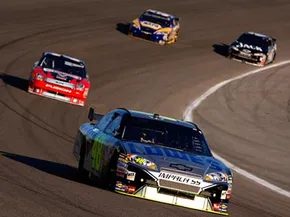
You love the smell of burnt rubber. You know the roar of engines at the Indianapolis 500 isn’t just noise—it’s adrenaline. But beneath the spectacle, there’s a rigid, unforgiving framework keeping everyone alive. Automobile racing is inherently dangerous. It always has been.
In Europe, you might have one unified body calling the shots. In the United States? It’s a patchwork quilt of governing entities, all loosely tied together under the Automobile Competition Committee for the United States and Federation Internationale de l’Automobile (ACCUS-FIA). The United States Auto Club (USAC) sits right in the center of this complex ecosystem.
Formed in 1955, USAC wasn’t just another club. It was a response. Specifically, it was created to sanction open-wheel racing—the kind where drivers sit in cockpits with wheels exposed to the air. Today, that mandate covers some of the most iconic divisions in American motorsport.
How USAC Governs the Track
USAC doesn’t just hand out trophies. It writes the law. The club governs both professional and amateur series, enforcing a rulebook that leaves zero room for ambiguity. If you want to know how the United States Auto Club ensures track safety, you start with their specifications.
Every vehicle must meet strict design and construction guidelines. Fire prevention equipment is mandatory. Crew attire is regulated. Even car numbers and names are codified. The USAC Rule Book details inspection procedures, qualification protocols, and the exact order of race day operations. Violations? You get penalized. Fines. Lap penalties. Disqualifications. Suspensions.
For racers, the rule book isn’t a mystery. It’s online, accessible via the “owner’s garage” section of the USAC website. You need to know it before you roll out.
USAC Properties also operates within the association, offering automotive industry design and testing services. But the core mission remains unchanged after nearly seven decades: develop rules, enforce them through trained officials, and organize the racing framework.
The Horror That Changed Everything
Why did USAC form? Why such strict controls? The answer lies in Le Mans, 1955.
It was supposed to be a celebration. It became a massacre. During the 24 Hours of Le Mans, Mercedes driver Pierre Levegh’s car suffered a catastrophic failure. His vehicle rolled down the track for roughly 85 yards, shattering into pieces. Car parts flew like projectiles into the spectator stands. The car burst into flames, turning into an uncontrolled inferno.
The death toll was 82. Injuries numbered 72 more.
The carnage was so severe it shook the foundation of global motorsport. It forced a rethinking of safety standards—not just for drivers, but for the fans sitting behind barriers. The racing world realized that speed without safety was a death sentence. USAC emerged from this dark era with a singular focus: prevent this from ever happening again on American soil.
Who Runs the Show Today?
Now, USAC oversees a specific hierarchy of racing series. They don’t run NASCAR. They don’t run Formula 1 in America. They run the divisions where open-wheel and stock car roots dig deep into the dirt and pavement.
The current professional and amateur series include:
– The Silver Crown Series (professional)
– National Sprint Car Series (professional)
– Mopar Midget National Championship (professional)
– Ford Focus Series (amateur)
– .25 Midgets (amateur)
Each series has its own rule set, but they all share USAC’s DNA. Inspection. Qualification. Safety.
Joining the Battallion
You don’t have to drive to be part of the culture. The USAC offers a fan membership through the USAC Battalion. For $39.95 a year, you get more than a t-shirt.
Members receive:
– An official membership card
– Access to Battalion events
– Autograph session opportunities
– USAC seat cushions and window decals
– Driver trading cards
– Weekly newsletters
– Discounts on official race gear
Sign up for two years, and you also get a book detailing the history of USAC. It’s a way to stay connected to the sport’s evolution.
But for those behind the wheel, membership is mandatory. Every driver across all five divisions must apply for a series driver’s license. So do crew members. Officials. Inspection station staff. Manufacturers and their workers all need credentials.
Before you can race, you must pass a medical and physical examination. Your health matters more than your horsepower.
Legends of the Track
USAC has seen some of the greatest names in automobile racing. They didn’t just participate; they defined eras.
A.J. Foyt took his first USAC victory in 1960. He went on to win six more championships through 1979. Mario Andretti dominated the mid-60s, winning titles in 1965 and 1966. Foyt reclaimed the crown in 1967. Al Unser was voted rookie of the year in 1967, then proceeded to win 10 Indy races three years later.
These aren’t just stats. They’re proof of the competitive intensity USAC fosters. The rules are strict, but the competition is fiercer.
The next chapter will look deeper into the specific reforms that followed the Le Mans disaster and how those safety measures evolved into the modern standards we see today. The story isn’t over. The track is still dangerous. But it’s safer because of the choices made in the dark.
Beyond the Track: The Deeper Mechanics of Stock Car Racing
The spectacle of stock car racing isn’t just about who crosses the line first. It’s about the engineering and strategy buried beneath the chrome. To truly understand the chaos on the track, you have to look at the machinery.
The Evolution of Stock Car History
Stock car racing didn’t start in a vacuum. It grew out of bootlegging runs in the American South. Drivers needed fast, reliable cars that could handle rough terrain. This need shaped the vehicles we see today. The history is rooted in modified production cars. These early racers were built for speed and durability.
How Stock Car Suspensions Work
Suspension is the unsung hero. It keeps the tires on the ground. Without proper suspension, a car would bounce uncontrollably at high speeds. Engineers tune suspensions to handle specific track conditions. Tighter setups provide better handling. Softer setups absorb bumps better. The right balance depends on the track layout.
Racing Techniques That Define Winners
Racing techniques separate the pros from the amateurs. Drafting is one of the most critical skills. Cars slipstream behind each other to reduce air resistance. This saves fuel and increases speed. Other techniques include blocking and bumping. These moves are legal within the rules. They add intensity to every race.
The Role of Telemetry in Modern Racing
Telemetry provides real-time data. Teams monitor engine performance, tire wear, and fuel consumption. This data helps strategists make in-race adjustments. Drivers receive feedback via radio. They can adjust their driving style based on this information. Telemetry turns racing into a data-driven sport.
Aerodynamics and Speed Optimization
Aerodynamics play a huge role in stock car racing. Cars are designed to minimize drag. Downforce keeps the car planted on the track. This allows for higher speeds through corners. Wind tunnel testing helps refine these designs. Every detail matters. Even small changes can affect lap times.
Related Resources for Deeper Understanding
- History: Explore the origins of stock car racing and its cultural impact.
- Suspension: Learn how suspension systems handle extreme forces.
- Techniques: Discover the strategies used by top drivers.
- Telemetry: Understand the technology behind race strategy.
- Aerodynamics: See how air flow affects car performance.
Sources and Further Reading
The information presented here is drawn from several authoritative sources. These include historical records and technical manuals.
- Microsoft Encarta Online Encyclopedia 2008 provides insights into legendary drivers like A.J. Foyt and Al Unser.
- Encyclopedia Britannica Online offers a broad overview of automobile racing.
- UltimateRacingHistory.com details the USAC Stock Car Series.
- USAC (United States Auto Club) provides official records and regulations.
- PlantServices highlights innovations like Toyota’s fuel-efficient trucks.
- Ewilkins and Insmkt.com offer additional historical context and background.
For those interested in the technical side, HowStuffWorks articles break down complex concepts. They explain how suspensions, techniques, telemetry, and aerodynamics work. These resources are invaluable for fans who want to go beyond the surface.
The world of stock car racing is vast. It combines history, engineering, and human skill