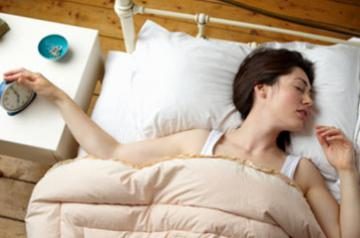
Falling asleep feels like a biological given. You close your eyes; you wake up. Or so we assume. But ask anyone who lies awake at 3 a.m. and they will tell you that sleep is not an automatic function. It is a skill. And most of us are failing it.
Take Henry. He is the archetype of the modern insomniac. His day is a blur of high-stress deadlines and relentless motion. He doesn’t stop until the late hours, when exhaustion finally hits him like a physical blow. He thinks, Okay. Bedtime. He brushes his teeth. He pulls back the covers. He expects sleep to happen.
It doesn’t.
Henry’s body is running at 80 miles per hour one moment and trying to idle at zero the next. There is no cool-down. His mind is still racing through emails he didn’t send. His muscles are still tense from the workday. He slams on the brakes without shifting into neutral.
This is why he doesn’t sleep.
More than half the population in the United States reports sleep problems. That statistic isn’t just a number; it’s a reflection of a culture that treats rest as an afterthought rather than a priority. We wait until we are bone-tired to prepare for rest, as if fatigue itself were the mechanism that induces slumber. It isn’t. Preparation is.
To actually get better sleep, you have to stop relying on magic spells and start relying on strategy. Effective sleep hygiene requires four specific pillars. You need to:
- Begin your sleep preparations during the daylight hours
- Schedule your sleep patterns with deliberate intention
- Practice specific relaxation habits before hitting the pillow
- Control your physical sleep environment
The biggest mistake people make is thinking sleep hygiene starts in bed. It doesn’t. It starts the moment you wake up.
The Daytime Foundation
Your nighttime sleep quality is largely determined by your daytime choices. This sounds obvious, yet it is the most ignored aspect of sleep science. The way you move your body, expose yourself to light, and manage stress in the morning sets the stage for your circadian rhythm hours later.
Consider exercise. Physical activity is one of the most potent tools for improving sleep depth and duration. But timing matters. The next section will detail exactly when you should work out to maximize those benefits without disrupting your rest. For now, just accept that a sedentary day often leads to a restless night. Your body needs to burn off the day’s stress hormones so they don’t keep you awake in the dark.
This article is strictly for informational purposes. It is not intended to provide medical advice. Neither the Editors of Consumer Guide, Publications International, Ltd., the author, nor the publisher take responsibility for any possible consequences from any treatment, procedure, exercise, dietary modification, action, or application of medication which results from reading or following the information contained in this information. The publication of this information does not constitute the practice of medicine, and this information does not replace the advice of your physician or other health care provider. Before undertaking any course of treatment, the reader must seek the advice of their physician or other health care provider.
The Timing of Cardio Matters for Sleep Quality
The link between physical activity and rest is messy. Most people skip the gym citing exhaustion, yet that fatigue often stems from poor sleep hygiene. It’s a circular problem. Exercise remains the lifestyle habit most frequently intended but rarely executed. We know the broad benefits: better cardiovascular health, stronger bones, stress reduction. But there is a specific mechanism where movement directly alters sleep architecture.
The catch lies in timing.
Working out right before bed is counterproductive. Vigorous activity within three hours of sleep spikes heart rate and brain activity. It raises core body temperature. You want your temperature to drop to initiate sleep, not climb. Morning light exposure helps regulate the circadian rhythm, indirectly supporting rest. However, for a direct physiological trigger for sleep, late afternoon to early evening is the sweet spot.
Cardiovascular exercise is the key. Unlike strength training or yoga, sustained cardio raises body temperature sufficiently to create a rebound cooling effect later. This drop signals the body it is time to sleep.
Which Exercise Helps You Sleep Best?
Not all movement creates the same sleep benefit. Cardiovascular activity—keeping the heart rate up and muscles engaged for at least 20 minutes—is superior for sleep enhancement. Strength training and stretching are healthy. They do not offer the same specific sleep-promoting thermal regulation.
The goal is moderate to vigorous intensity. Activities like jogging, swimming, cycling, or brisk walking work. The specific mode matters less than the consistency and intensity. Aim for 20 to 30 minutes, three to four times a week.
Integration into daily life is practical. Walk to work. Walk the dog. Dance. The barrier is often logistical, not physical.
Safety and Medical Context
If you have pre-existing conditions, significant weight issues, or a sedentary history, consult a physician before starting. Begin slowly. Increase intensity gradually. Injury prevention is part of long-term adherence. Regular exercise improves mood, appearance, and rest.
The relationship between sunlight and the sleep-wake cycle is equally complex. Understanding that connection requires looking beyond simple exercise mechanics.
This content is for informational purposes only. It is not medical advice. Consult a healthcare provider before making changes to your exercise routine.
Resetting Your Circadian Rhythm with Morning Light
It feels backwards, doesn’t it? Getting bright sun early in the day makes it harder to stay awake later. But that is exactly how the system works. Morning light doesn’t just wake you up. It sets the timer for sleep hours later.
Light signals your brain to start the day. You know this from staring at a ceiling lamp at 3 a.m. The glare makes returning to sleep nearly impossible. What is less obvious is that light exposure at other times, specifically early morning, acts as a anchor for your night-time rest.
How Morning Light Improves Sleep
Morning light regulates your biological clock. It keeps that internal timekeeper synchronized. This clock sits in the brain. It ticks much like a wristwatch. But it has a flaw. It drifts forward if left unchecked.
Staying up late enforces this drift. Getting up late does too. The result is a mismatch. You might find yourself unable to fall asleep when you want to. Or unable to wake up when you need to.
To fix the drift, you must reset the clock daily. This keeps your body aligned with the 24-hour earth cycle. And your personal schedule. Morning light exposure accomplishes this reset.
Research shows that prolonged light deprivation causes dramatic shifts. Sleep cycles change. Hormone rhythms break. Body temperature fluctuates wildly. You likely won’t be trapped in darkness for weeks. But getting less morning light than needed can still disrupt your preferred sleep and wake times.
Light is the dominant factor in our biological clock. Timing matters most. The body responds best to sunlight between 6 a.m. and 8:30 a.m. Light later in the day offers little to no benefit for this specific reset. The type of light counts. So does duration.
Direct outdoor sunlight for at least thirty minutes provides the maximum benefit. Indoor lighting in homes or offices falls short. It lacks the intensity and spectrum required to trigger the necessary physiological response.
Light Boxes vs. Natural Sun
Specialized light boxes and visors mimic sunlight. Doctors often prescribe them for Seasonal Affective Disorder (SAD). This form of depression peaks during darker winter months. They are tools. Effective ones.
But they are not replacements for the sky. Thirty minutes in front of the strongest light box does not equal phototherapy. Thirty minutes outside on an overcast day does more. The sky provides a broader spectrum. The intensity varies in ways devices struggle to replicate perfectly.
You cannot control the sun’s schedule. You can control your stress levels. That is the next variable to examine.
Light is the most important cue for resetting your biological clock, but the timing is non-negotiable.
This content is for informational purposes only. It is not medical advice. The editors, authors, and publishers assume no responsibility for consequences resulting from any actions taken based on this information. This publication does not constitute medical practice. It does not replace the advice of your physician or other qualified health care provider. Consult a professional before starting any treatment or making significant changes to your routine.
Why You Can’t Sleep When Your Mind Is Racing
It is impossible to sleep when your head is full of noise. The common advice is simple: lower your stress levels. You cannot train your brain to ignore stress while you try to drift off. There is no conditioning for that. The only fix is to actually reduce the load you are carrying.
Think of it like moving into a new apartment next to a factory that smells like burning rubber. At first, the odor is overwhelming. It makes you angry. It keeps you awake. But after three weeks, you stop noticing it. You have become desensitized. The smell is still there. It is still bad for your lungs. But your brain has filed it away as background noise.
Daily stress works the same way. We get bombarded by tight schedules, traffic, and family drama. Eventually, we stop noticing the weight of it. We do not realize how heavy it is until something breaks. A missed deadline. A car accident. The final straw. But that constant, low-level exposure to stress makes rest impossible. It wears down your health, even if you feel “fine.”
Managing the Unmanageable
You cannot avoid stress. If you are breathing, you are dealing with it. The goal is not elimination. It is management. The first step is figuring out what you can actually control.
If your boss gives you an impossible timeline, you cannot change the timeline. You have no power over that. But you have total control over your reaction to it. You can panic. You can freeze. Or you can break the project into smaller steps. Your response is the only variable you own. Focusing on that response puts you back in the driver’s seat.
Therapists who specialize in stress reduction say your body will tell you when you are overloaded. You just have to listen. If you track your physical and emotional signals, you can catch the stress before it destroys your sleep.
The Nighttime Rebound
Why does daytime stress ruin nighttime sleep? It comes down to unresolved thoughts.
Have you ever been exhausted? You crawl into bed. You want to forget the day. You close your eyes. And then your mind starts replaying every mistake, every awkward conversation, every worry. That is stress working overtime. The emotions you pushed down during the day rise to the surface when it is quiet.
When your brain senses a threat, it triggers the fight-or-flight response. It releases hormones to heighten alertness. This is useful if a dog is chasing you. It is not useful if you are lying in a dark bedroom. The body stays in high gear. You cannot relax enough to sleep.
By dealing with stressors immediately during the day, you reduce the chance they will keep you awake at night. You process the stress when you have agency. You do not let it fester until bedtime.
Controlling the Nap
You can control your stress. You can also control your naps. Napping can help or hurt your nighttime sleep. Understanding how to use rest strategically is the next step in reclaiming your energy.
This content is for informational purposes only. It is not medical advice. Consult a healthcare professional before making changes to your health routine.
The Science and Strategy of the Afternoon Power Nap
The debate over daytime sleep is rarely settled. For some, a midday snooze is a reset button. For others, it is a sabotage tactic that wrecks nighttime rest. The truth lands somewhere in the middle. Naps are neither inherently good nor bad. They are tools. And like any tool, their utility depends entirely on how you wield them.
The biological urge to doze hits hardest roughly eight hours after you wake up. This timing is no accident. It aligns with the first of two natural dips in your core body temperature. The second dip is the big one, happening at night when you actually sleep. But that midday drop? That is your body whispering that it is time to pause.
Timing Is Everything
If you catch that wave in the early to mid-afternoon, you can reap significant benefits. Alertness returns. Energy stabilizes. You feel sharper.
Do that same thing in the late afternoon or early evening, and you risk digging your own sleep hole. Introducing sleep pressure too close to bedtime confuses your circadian rhythm. You might lie awake for hours, staring at the ceiling, fighting the very fatigue you were trying to manage.
To maximize the benefit, strict rules apply. Keep your nap window before 3 p.m. Keep the duration under thirty minutes. This ensures you stay in light sleep stages. Stay under thirty minutes, and you wake up refreshed. Go longer, and your brain dives into deep sleep. Waking from deep sleep triggers sleep inertia—that heavy, groggy feeling that can last for nearly an hour. You feel worse than you did before you closed your eyes.
When Deprivation Strikes Harder
What if you are running on empty? If severe sleep deprivation makes a nap non-negotiable, the thirty-minute rule may need to bend. In these cases, it is better to allow yourself to complete a full sleep cycle. An average cycle lasts about ninety minutes. Sleep for this duration, and you are more likely to wake up at a natural transition point, reducing that post-nap fog.
If you find yourself relying on a daily nap, consistency is key. Take it at the same time each day. Your body will eventually integrate this rhythm. It becomes part of your baseline. If you try to nap and just can’t drift off, do not force it. Simply resting with your eyes closed still offers cognitive recovery. It restores some alertness. It gives your brain a break from sensory input.
The Pre-Emptive Strike
Naps can also be used strategically to buffer against known sleep deficits. Say you know you will be up late for a special event. Do not wait until your energy crashes. Take a longer nap earlier in the day. Two to three hours is the effective range.
This approach has been shown to reduce fatigue at your normal bedtime. It boosts alertness during the late hours. There is a trade-off, however. This strategy can temporarily disrupt your normal sleep rhythm. You might find it harder to fall asleep at your usual time that night. But the trade-off often pays off in sustained performance during the event.
The Connection to Diet
While sleep hygiene focuses on light and schedule, your plate plays a role too. What you eat influences how easily you fall asleep and how deeply you rest. A healthy eating pattern can act as a gentle lullaby for your nervous system. The mechanics of how nutrition impacts sleep quality are complex, but the link is undeniable.
This content is for informational purposes only. It does not constitute medical advice. Consult a physician before making significant changes to your sleep or diet habits.
How Timing Your Meals Impacts Rest
The link between what you eat and how you sleep isn’t a straight line. The direct causal effect remains fuzzy in medical literature. But the indirect path is clear. A diet heavy on processed foods and sugar creates inflammation. That inflammation disrupts sleep architecture. Conversely, a varied diet rich in fresh produce, whole grains, and lean protein supports metabolic health. It keeps chronic conditions like heart disease at arm’s length.
There is also the medication factor. Chronic diseases often require drugs that fragment sleep. Diabetes, for instance, brings its own set of sleep-disrupting symptoms. By managing these conditions through diet, you remove a major obstacle to rest. Portion control matters too. Eating only enough to maintain a healthy weight reduces the risk of type 2 diabetes. Less disease means fewer sleep thieves.
Shift the Caloric Load Earlier
Most Americans follow a “dinner is the main event” pattern. Light breakfast. Moderate lunch. Heavy feast at night. This schedule works against sleep physiology. A large evening meal sits in your stomach while you lie down. Gravity stops helping. Acid creeps up. You get distension. You get heartburn. You toss and turn.
Reversing this pattern can stabilize your nights. Treat breakfast as your primary fuel source. You are breaking an overnight fast. Your body needs energy for the day ahead. Make this meal substantial. Whole-grain cereals. Yogurt. Fruit. These provide steady energy without the crash.
Lunch should be moderate. Brown rice. Whole-grain pasta. A solid protein source like fish, eggs, or beans. It keeps you fueled without overloading your digestive system before evening.
Dinner must be light. And it must be early. Finish eating at least two hours before bedtime. Preferably longer. If hunger strikes before sleep, look for small, sleep-friendly snacks rather than a full meal. This simple shift reduces physical discomfort that often wakes people up in the night.
Caffeine and Hidden Triggers
Caffeine is the most obvious dietary saboteur of sleep. It blocks adenosine receptors. Adenosine builds up during the day to make you tired. Caffeine stops that signal. Some people can metabolize it quickly. They drink coffee all day and sleep fine. Most cannot. If you struggle with insomnia, cutting caffeine is step one.
But coffee isn’t the only culprit. Check your soda cans. Your afternoon tea. Dark chocolate. Even some over-the-counter headache medications hide caffeine. Read labels. If you are sensitive, even small amounts in the late afternoon can delay sleep onset by hours.
MSG and Digestive Sensitivity
Monosodium glutamate (MSG) is a flavor enhancer found in many processed foods and certain Asian cuisines. For some, it is a mild irritant. For others, it triggers headaches or digestive upset. These reactions do not just cause pain. They keep the nervous system on high alert. You cannot sleep when your body is reacting. Try eliminating MSG for a week. See if your sleep depth improves.
Hydration Timing
Water is essential. Aim for eight glasses, or two quarts, daily. But timing is everything. Drink the majority of your fluids by the end of dinner. A full bladder forces you awake. Every trip to the bathroom cuts into REM sleep. Stay hydrated throughout the day to minimize nighttime disruptions.
The Alcohol Paradox
Alcohol feels like a sedative. It helps you fall asleep faster. It does not help you stay asleep. It fragments sleep architecture. It suppresses REM sleep. You wake up more often. You feel less rested. Skipping alcohol is one of the most effective ways to improve sleep quality, even if you still get seven hours of bed time.
The Broader Routine
Diet is only one piece of the puzzle. Your overall daily routine influences your circadian rhythm as much as your plate. Light exposure, movement, and stress management all feed into the same system. How you spend your waking hours dictates how you spend your sleeping ones.
This content is for informational purposes only. IT IS NOT INTENDED TO PROVIDE MEDICAL ADVICE. Neither the Editors of Consumer Guide (R), Publications International, Ltd., the author nor publisher take responsibility for any possible consequences from any treatment, procedure, exercise, dietary modification, action or application of medication which results from reading or following the information contained in this information. The publication of this information does not constitute the practice of medicine, and this information does not replace the advice of your physician or other health care provider. Before undertaking any course of treatment, the reader must seek the advice of their physician or other health care provider.
Why a Fixed Sleep Schedule Beats Sleep Debt
We treat sleep like an optional add-on to the day, a break in the action rather than a biological requirement. That is a mistake. Our physiology runs on rhythms. When you force your body to sleep at irregular intervals, you are fighting your own circadian system.
Think of your bedtime routine not as a chore, but as a signal. It is a neurological switch. Just as you have a morning ritual to wake up—coffee, shower, emails—you need an evening protocol to wind down. The goal is to tell your brain that the day is done.
The Power of Consistent Timing
Many adults think strict bedtimes are for kids. They aren’t. They are for anyone who wants functional energy. The key to optimizing your sleep-wake cycle is regularity. Go to bed at the same time. Wake up at the same time. Even on Saturdays. Even on vacations if you can manage it.
This consistency anchors your internal clock. Within a few weeks, your body begins to anticipate sleep. You will feel tired earlier. You will wake up more naturally. The quality of your rest improves because your body is not fighting its own biology.
“A stable rhythm of sleeping and waking improves the quality of your sleep, and probably the quality of your life.”
Routine as Closure
A bedtime ritual provides closure. It allows your mind to shut down. Without it, thoughts linger. Stress accumulates. The result is a noisy brain when you should be quiet.
Start your routine early enough to avoid stimulation. Do not start complex tasks thirty minutes before bed. Assembling furniture? Paying bills? Do that earlier in the evening. Leave the last half-hour for calm activities.
Your existing habits likely already form a pattern. Brushing teeth. Flossing. Lowering the thermostat. Setting the alarm. Keep them in the same order every night. This predictability reduces decision fatigue. It creates a sense of safety. Your body knows what comes next.
The Six-Week Test
Try this for six weeks. Stick to the schedule. Track your energy. You will notice a difference. Alertness improves. Mood stabilizes. The fog lifts.
This is not medical advice. It is a behavioral strategy. If you have chronic sleep issues, see a doctor. But for most people, the fix is simpler than they think. It is not about new supplements. It is about old habits.
Do you wake up rested? Or do you drag yourself out of bed? The answer lies in your routine. Build it. Stick to it.
The Critical Hour Before Sleep
You have handled the daytime logistics. You have scheduled the night. Now comes the messy part: getting into bed. The sixty minutes prior to slumber are not just a buffer; they are the determinant of whether you drift off or lie there staring at the ceiling. Used correctly, this window allows you to shed the day’s stress. Missed opportunity? It sets the stage for insomnia.
The goal is simple. Create an atmosphere of peace. Your body and mind need to slow down. If you rush into bed with the adrenaline of the day still pumping, you will pay for it with hours of tossing and turning.
Curating Your Wind-Down Routine
There is no single universal method, but most people find success by engaging in quiet, pleasurable activities that signal safety to the brain. Experiment until you find what quiets your specific noise.
- Reading: Pick something light. A complex software manual or a dense investigative thriller will light up your neural pathways in ways that keep you alert. Opt for a popular magazine, a short story, or something devotional. The content should be low-stakes.
- Audio: Soft instrumental music is generally the most effective. It lacks the lyrical complexity that demands attention. Avoid hard-driving rock or familiar pop beats; these trigger memory and engagement. Nature sounds can also work if they feel grounding rather than distracting.
- Meditation or Prayer: These practices help you reconcile with whatever is swirling in your head. They are tools for mental de-cluttering.
- Television: Use with caution. If it helps you relax, fine. But falling asleep with the TV on is a bad habit. You inevitably wake up to turn it off, breaking your sleep architecture. If you must watch, do it earlier in the evening. If you watch right before bed, leave the bedroom. The blue light and mental engagement are counterproductive to immediate sleep onset.
The Timing of the Warm Bath
A warm bath is a classic remedy for a reason. It relaxes the muscles and slows the mind. But timing is everything.
Some people feel immediate drowsiness after a hot bath. They dive into bed and are out. For others, the heat is stimulating. They get too warm, uncomfortable, and alert. If you fall into the latter category, stop taking the bath right before bed.
Shift the bath earlier. Take it two hours before your target sleep time. This allows your body temperature to drop gradually as you settle into bed. That natural decline in core body temperature is a key physiological trigger for sleepiness. A hot bath just before bed fights this mechanism. An earlier bath supports it.
Don’t Bring the War to Bed
Imagine this. You just got off the phone with a relative who drives you crazy. They complain, they criticize, they demand. You storm into your bedroom, heart pounding, face hot with anger. You lie down. You slam your fist into the pillow. You are glowing with fury.
You cannot sleep.
Your bed should not be a place for anger or worry. It should be a sanctuary. If your emotions have boiled over, stay out of the bedroom. Do not try to force sleep while your nervous system is in fight-or-flight mode.
Step away. Write the frustration down. Journaling can act as a pressure release valve for the mind. Use relaxation techniques to lower your arousal levels. Wait until the heat fades. Only then return to bed. If you force it, you associate your bed with stress. You want to associate it with peace.
Preparing the Environment
The final step is preparing the room itself to match the calm you are trying to build. This involves more than just dimming the lights. It is about creating a physical space that supports the mental shift you’ve just attempted.
This information is solely for informational purposes. IT IS NOT INTENDED TO PROVIDE MEDICAL ADVICE. Neither the Editors of Consumer Guide (R), Publications International, Ltd., the author nor publisher take responsibility for any possible consequences from any treatment, procedure, exercise, dietary modification, action or application of medication which results from reading or following the information contained in this information. The publication of this information does not constitute the practice of medicine, and this information does not replace the advice of your physician or other health care provider. Before undertaking any course of treatment, the reader must seek the advice of their physician or other health care provider.
Why Your Bedroom Must Be a Sleep-Only Zone
Your environment dictates your physiology as much as your body does. If your bedroom is a multi-purpose room for work, entertainment, or socializing, your brain will struggle to switch into rest mode. The goal is to condition your mind to associate the mattress with drowsiness, not alertness.
Many people treat their bed like a recliner. They watch TV. They answer emails. They read books. They even eat. This creates a conflict in the nervous system. The bed should signal sleep. When you engage in other activities there, the association weakens. You might drift off eventually, but the quality of that sleep often suffers.
Consider the habit of sleeping with a radio or television on. You might think the background noise helps you relax. In reality, it may be keeping you in a state of low-level arousal. You could be fighting off sleep just to hear the last few seconds of a show. More importantly, you create a dependency. If the device is off, you cannot sleep. Waking up in the middle of the night without that crutch can lead to frustration and longer wake periods. Breaking this habit helps reset your natural sleep drive.
Work is a major disruptor. Bringing stress into the bedroom is counterproductive. When you do paperwork in bed, your body links the sheets and pillows with anxiety. The sight of the bed alone can trigger a stress response. Heart rate increases. Muscles tighten. Thoughts race. You are essentially training your body to be awake in the place meant for rest. Keep work in the office or study. Let the bedroom be a sanctuary from productivity.
There is one common exception: sex. But this depends entirely on your physiology and relationship dynamics. For some, sexual activity is relaxing and induces sleepiness. If both partners find it soothing, it can be a effective pre-sleep ritual. For others, it is stimulating. It raises heart rate and releases adrenaline. For some, it brings up emotional complications or frustration. In those cases, sex belongs in another room or at a different time of day. Couples need to communicate. What helps one partner sleep might hinder the other. Find what works for your specific biology and emotional state.
If you are lying in bed awake, do not stay there. Use the next section to learn how to stop tossing and turning.
This article is for informational purposes only. It does not constitute medical advice. Consult a healthcare provider for personal health concerns.
The Paradox of Trying Too Hard
Lying in bed, staring at the ceiling, and waiting for sleep to arrive is exhausting in its own right. It is a strange paradox of human biology that the harder you try to sleep, the more elusive it becomes. When you toss and turn, fixated on the thought, “I need to sleep now,” you are essentially waking yourself up further. The anxiety of missing out on rest creates a feedback loop of tension. Sleep is not a task to be completed. It is a passive state. It requires you to let go, not to grip tighter.
Your mind should be empty. Or, if thoughts intrude, they should be soothing. Your body must drop its guard. Muscles that are clenched in frustration signal the brain that you are still in a state of alert. To fall asleep, you have to trick your system into believing the day is over.
Breaking the Bed-Sleep Association
If you have been lying there for a while with no success, the standard advice to “just stay in bed” is actually damaging. Staying in bed while awake teaches your brain to link your mattress with frustration, boredom, and anxiety. Over time, the bed becomes a place of stress rather than rest.
The solution is counterintuitive. Get up.
Leave the bedroom. Go to another part of your house. The goal is to decouple the physical location of your bed from the mental state of wakefulness. Sit in a chair in the living room or the kitchen. Read a book. Sew. Draw. Do something that is calming and requires minimal cognitive load. Avoid screens. Avoid intense conversations. Avoid work.
Wait until you feel a sense of boredom or drowsiness. This usually takes between 15 and 20 minutes. Once that fatigue sets in, return to bed. Your body is now primed for sleep, and the bed once again holds a neutral or positive association.
Preventing Future Insomnia
This strategy is a behavioral tool. It helps retrain your circadian rhythms and your psychological response to the night. If you find yourself frequently unable to fall asleep, this technique can reset the process. For long-term prevention, learning additional relaxation techniques is essential. These methods help you enter the necessary state of total relaxation without the need to leave the room.
Disclaimer: This content is for informational purposes only and does not constitute medical advice. It is not intended to replace professional medical consultation. Always seek the advice of your physician or other qualified health provider with any questions you may have regarding a medical condition.
The Science of the Midnight Snack and Active Relaxation
Sleep doesn’t always come when you lie down. Sometimes, it requires a nudge. One of the simplest interventions is dietary. A grumbling stomach is a distraction that keeps the brain alert. Research supports the idea that a light snack before bed can improve sleep quality. The key word is light. Stuffing yourself is counterproductive. An overly full belly triggers digestion that competes with rest. An empty one causes hunger pangs. Both disrupt the cycle.
There is no single perfect bedtime food. Theories vary. Some suggest warm milk. The logic relies on tryptophan. This amino acid is a precursor to serotonin. Serotonin promotes calm. Tryptophan is not unique to dairy. Turkey, tuna, peanuts, and cheese contain it too. Other experts focus on carbohydrates. Foods like bread, potatoes, cereal, or juice may help. The theory here is that carbs facilitate the transport of tryptophan into the brain. Once there, it converts to serotonin.
Minerals also play a role. Magnesium and calcium calm the nervous system. Even slight deficiencies can impact sleep. Dairy provides calcium. Magnesium sources include apples, apricots, avocados, bananas, peaches, nuts, and whole grains. Experimentation is necessary. What works for one person may not work for another. There is no guarantee. But trial and error is part of the process.
Avoid foods that cause reflux. Greasy, fatty, and spicy dishes can trigger heartburn or gas. If you are lactose intolerant, skip the milk. Use lactose-free alternatives. If MSG affects you, avoid takeout leftovers. The goal is comfort, not discomfort.
Techniques for Active Relaxation
Diet is only one piece of the puzzle. You must also quiet the mind and body. Active relaxation techniques achieve this by deliberately clearing intrusive thoughts. They reduce physical tension. They induce a peaceful state. Two methods stand out for their effectiveness.
Progressive Muscle Relaxation (PMR)
Muscles tense in response to stress. They relax in response to deliberate release. PMR uses this mechanic. You start at the toes. You tense a muscle group. You hold. You release. You move up the body.
Lie on your back. Use the floor, a couch, or a recliner. Avoid the bedroom if possible. Change the environment slightly. Start with your toes. Scrunched tight for ten seconds. Keep the rest of the body loose. Then let go. Move to the calves. Tighten. Release. Thighs next. Then buttocks, abdomen, chest, forearms, shoulders, neck, and face.
Take your time. A full pass from toes to head takes at least 20 minutes. If you are not relaxed after one round, repeat. The repetition is the point. By the end, the body should feel heavy and still.
Abdominal Breathing
Rhythmic breathing is powerful. It is simple, but it requires practice. Lie on your back. Breathe normally at first. Place a hand on your lower abdomen, near the belt line. Inhale slowly. Feel the abdomen rise. Fill the lungs completely. Hold for a couple of seconds. Exhale slowly. Empty the lungs.
Focus only on the sensation. The rising. The falling. The air intake. The release. Do not rush. Repeat this cycle eight to ten times. The rhythm signals safety to the nervous system. It lowers the heart rate. It prepares the body for sleep.
Visualization
The mind wanders. Visualization anchors it. Imagine a favorite place. A beach. Feel the sand. Feel the surf on bare feet. Or imagine a relaxing activity. Drawing. Cooking. Hiking. Walking the dog. Even shopping can be soothing if done mentally.
The goal is to engage the imagination. Let the mind enjoy the scene instead of worrying. Close your eyes. “Go” to that place. “Do” that activity. The brain struggles to distinguish between vivid imagery and reality. If the visualization is strong, the body follows. Sleep often follows sleepiness.
Your mattress matters too. A poor mattress undermines all these efforts. Choosing the right support is the next step in securing rest.
Sleep is not passive. It is a state you cultivate through diet, breath, and focus.
This information is for educational purposes only. It is not medical advice. Neither the editors, the publisher, nor the author assume responsibility for consequences from using this information. Consult a physician before starting any new health regimen. This does not replace professional medical care.
Why Your Mattress Choice Dictates Your Daytime Energy
We spend roughly one-third of our lives unconscious. For most of that time, your spine is resting against a single surface. Yet, we often treat mattress selection as an afterthought, ignoring the thing that supports us for eight hours a night until the springs begin to protrude through the comfort layer. This oversight matters. The surface you lie on directly influences sleep architecture, which in turn dictates your energy levels, mood, and pain tolerance the next day. Ignoring this variable is a mistake. You need to make deliberate choices about firmness, type, and size to ensure you wake up feeling restored rather than stiff.
Finding the Middle Ground in Firmness
There is a persistent myth that softer is always superior. It is not. A mattress that is too plush fails to provide adequate support, leading to muscle stiffness, neck strain, and back pain. Your spine needs a surface that is gently supportive—firm enough to maintain alignment but soft enough to contour to your body’s curves. Avoid mattresses with visible bumps, valleys, or depressions.
However, do not swing the other way. A surface that is too rigid creates pressure points, particularly at the shoulders and hips. The ideal mattress molds to you without feeling like a rock. It should offer resistance where needed and cushioning where required.
It is also important to recognize that materials degrade. Mattresses do not last forever. While the average lifespan is often cited as ten years, many people keep theirs significantly longer. If your mattress has developed lumps, sags, or permanent indentations, it has lost its structural integrity. It is time to replace it. Continuing to sleep on a degraded surface guarantees poor spinal alignment and restless nights.
Comparing Mattress Types: Heat, Support, and Durability
The market offers distinct categories, each with specific trade-offs regarding temperature regulation and support.
- Polyurethane foam mattresses. These vary in density and firmness. The primary drawback is heat retention. Foam does not breathe well. When air cannot circulate, it traps body heat. Since the human body loses a pint or more of moisture per night through perspiration, a non-breathable surface can leave you feeling hot and sweaty.
- Innerspring mattresses. These consist of rows of tempered steel coils layered between insulation and padding. Durability and firmness depend on wire gauge and coil count. Higher coil counts generally yield a firmer feel. They are popular because they allow air to circulate, keeping the sleep surface cooler and drier than foam alternatives. They are also widely available and offer a range of firmness options.
- Waterbeds. These lack breathability and tend to sag under the heaviest parts of the body. While some users swear by them, they are not for everyone. Before committing, test one in a showroom or on a friend’s bed to see if the sensation matches your preference.
Most consumers lean toward innerspring models for the combination of airflow, availability, and customizable firmness.
Bed Size and Sleep Disruption
Size is not just about space; it is about movement. A healthy sleeper shifts positions 15 to 30 times per night. Cramped conditions turn these natural movements into awkward struggles. If you are sharing a bed, you risk being elbowed, kicked, or shoved regularly. This physical disruption fragments sleep. Decades of research suggest that co-sleeping can be less restful than sleeping alone, particularly as partners age and sleep becomes more restless.
You have a few options here. You can sleep in separate beds. You can choose the largest mattress that fits your bedroom and budget. Or you can look for newer technologies designed to isolate motion. Some manufacturers claim their designs minimize the transfer of movement from one partner to the other when one person tosses, turns, or gets out of bed.
The Necessity of In-Store Testing
Never buy a mattress based on a description alone. The sales floor is your testing ground. Salespeople expect you to lie down. Assume your normal sleeping position. Stay there for several minutes. Do not just roll over. Feel how the surface supports your neck and hips when you are still. If you have a partner, bring them. Test the mattress together.
Check for a trial period. Reputable retailers often allow you to exchange or return a mattress if it proves unsuitable after a few weeks of home use. Be picky. You are investing in the surface that supports your body for a significant portion of your existence.
“Be picky — you’ll be spending a lot of your life on that mattress.”
Once you have secured the right foundation, attention turns upward. The pillow is the next critical component. It supports the head and neck, maintaining the natural curve of the spine. Choosing incorrectly can undo the benefits of a proper mattress. Learn how to select the right pillow in the next section.
“> This information is solely for informational purposes. IT IS NOT INTENDED TO PROVIDE MEDICAL ADVICE. Neither the Editors of Consumer Guide (R), Publications International, Ltd., the author nor publisher take responsibility for any possible consequences from any treatment, procedure, exercise, dietary modification, action or application of medication which results from reading or following the information contained in this information. The publication of this information does not constitute the practice of medicine, and this information does not replace the advice of your physician or other health care provider. Before undertaking any course of treatment, the reader must seek the advice of their physician or other health care provider.
How Pillow Support Matches Sleeping Position
Your head isn’t just a heavy decoration. It weighs over 10 pounds. That is a lot of mass resting on a small patch of foam or feathers all night long. The goal isn’t luxury. It is alignment. Your pillow needs to keep your spine straight, not let your head tilt at an awkward angle.
Most people are picky. You can’t just sleep on a rock. You need support that matches your posture.
Sleep on your side? You need firmness. A soft pillow will let your head sink too deep, cranking your neck sideways. A firm pillow fills the gap between your ear and the mattress.
Sleep on your back? Medium to firm works best. It supports the natural curve of the neck without pushing your chin up toward your chest.
Sleep on your stomach? This is the hardest position for the neck. You need a very soft pillow here. Or no pillow at all. Anything too thick forces your head back, straining the cervical spine.
Allergy-Friendly Materials and Medical Options
Materials matter beyond just feel. Synthetic fibers and foam are popular for a reason. They are hypoallergenic. You can wash them. If you or your partner has dust mite allergies or feather intolerance, stick to synthetics.
Down and feathers feel incredible. But they are risky for allergy-prone households. Test them carefully. Or avoid them entirely.
Then there are the medical grades. Orthopedic pillows. These are engineered to relieve specific pain points in the neck and back. They cost more. But if a doctor prescribes one, medical insurance might cover the cost. You can find them at surgical supply stores, not just bedding shops.
The Snoring Myth
Pillows marketed to stop snoring are everywhere. The claims are optimistic. The results are rarely effective.
Snoring is a mechanical issue. It involves airway collapse, nasal obstruction, or tongue position. A pillow cannot fix a collapsed airway. It certainly cannot muffle the sound if the underlying cause isn’t addressed.
Stop searching for a magic shape. If you snore, see a doctor. Treat the problem. Don’t waste money on a pillow that promises the moon.
When to Replace Your Pillow
Comfort is subjective. Your Aunt Gladys might swear by pillows stuffed with hair from East African camels. That works for her. It might not work for you. Experiment. Try different lofts. Try different fills.
But there is an objective rule for replacement.
When the pillow loses its shape. When it no longer provides support. When you wake up with a stiff neck. That is the sign.
Most pillows degrade over time. Foam breaks down. Feathers flatten. Synthetic fibers clump. If you are waking up more tired than you went to sleep, the support system is failing. Replace it.
Find the one that gives you the best night’s sleep. Then stick with it. Until it doesn’t work anymore.
Managing Noise for Deeper Sleep
You cannot control the world around you, but you can control the volume. Trains chugging past. Planes roaring overhead. Neighbors blasting music through thin walls. Even crows deciding 4 AM is the perfect time to hold a conversation. Eliminating these sounds is usually impossible. So, you mask them.
A white-noise machine creates a constant, soothing whoosh. It drowns out sudden spikes in noise that jolt you awake. Unlike a television or radio, which changes and demands attention, white noise stays flat. It is predictable. Your brain stops noticing it after a few nights.
Sophisticated models offer rain, wind, or ocean waves. Be careful. For some, nature sounds are distracting. For others, they are essential. The key is consistency. The sound never changes volume. It never stops. That stability is what keeps you asleep. Prices range from $50 to $150. You can find them online, in specialty stores, or even at big-box retailers.
The Pet Dilemma
Pets are family. That is true. But they are also heavy, warm, and restless. Sharing a bed with a dog or cat might feel cozy. It often results in exhaustion.
Pets move. They nuzzle. They shift their weight. If you roll over, they follow. By morning, you are squeezed into a corner. Your pet owns the center of the mattress. Their movements mimic earthquake aftershocks. Add a second pet. Or a partner. The bed becomes a wrestling ring.
Some pets wake you for attention. A toy on your pillow. A paw on your face. They want company. You want sleep. These are incompatible goals.
Close the bedroom door. Keep them out. It feels like betrayal. It is not. They will not love you less. You will sleep better. The peace is worth the temporary guilt.
Resting Away from Home
Your home is familiar. That familiarity helps. But what happens when you leave? Hotels are different. Airplanes are different. The rules change. Getting good rest away from home requires a different approach.
This guide does not offer medical advice. It is for information only. Consult a physician before making changes to your health routine. We are not responsible for your choices. Read carefully. Think critically. Act safely.
The First-Night Effect and How to Trick Your Brain
Most people assume that paying extra for a four-star hotel guarantees rest. It doesn’t. Even in plush, expensive rooms, your sleep is often shallower than it is in your own bed. There is a name for this phenomenon: the first-night effect. It’s called that because the poor sleep usually disappears after just one night away. Your brain stays partially alert, scanning for threats in the unfamiliar territory.
The solution isn’t necessarily buying better gear. It’s about familiarity. You can hack this biological response by making the strange environment feel like home. Bring your own pillow. Hang up family photos. If you read before bed, bring a book from your shelf. If you shower at night, do the same routine. You need to give your body all the usual cues that signal bedtime. These small anchors tell your brain it’s safe to shut down.
If you do sleep better away from home, don’t ignore it. Analyze why. Did the new bed lack your dog’s hair? Was the mattress firmer? Was there less noise? Or was it simply the distance from your daily stressors? Once you identify the variable, you can try to replicate that condition in your own bedroom.
Screening for Noise Pollution When Moving
If you are planning a move, do not sign the lease until you have checked the noise levels. High rent and a prestigious address do not guarantee silence. You need to actively screen out sleep-stealing housing situations.
Take samples of the neighborhood noise. Pay attention to the layout. Does the bedroom window back up against a neighbor’s porch or barbecue area? Is there a basketball court nearby? Does the neighbor’s dog bark every time someone walks by? Ask current tenants or homeowners if their neighbors are considerate about keeping volume down.
Check the noise at different times. A quaint tavern or park might seem peaceful during the day. What about late evenings? What about weekends?
If you are renting an apartment or buying a condo, test the walls. Can you hear the television of the tenants next door? Thin walls mean shared noise.
Look at traffic patterns. A bus stop near the front door seems convenient until the whole apartment shakes every time a bus rumbles through. This happens on 24-hour routes. It also happens if the home is located along a trucking route. Even if the house is miles from the airport, flight paths may channel take-offs and landings directly over the property.
You cannot eliminate all noise. No place meets every criterion. But you should at least think about whether your new home will allow you to get some rest.
Why This Matters
Sleeping is something all of us must do every night. With better awareness of your environment and habits, you can improve the quality of that rest.
“Dr. Virgil D. Wooten, M.D., is the medical director of the TriHealth Sleep Centers at Good Samaritan and Bethesda North hospitals in Cincinnati.”
Dr. Wooten is a diplomat of the American Board of Sleep Medicine and a fellow of the American Academy of Sleep Medicine. He has over 25 years of research, clinical, and teaching experience. He consults, writes, and speaks on sleep-related subjects.
This information is solely for informational purposes. IT IS NOT INTENDED TO PROVIDE MEDICAL ADVICE. Neither the Editors of Consumer Guide (R), Publications International, Ltd., the author nor publisher take responsibility for any possible consequences from any treatment, procedure, exercise, dietary modification, action or application of medication which results from reading or following the information contained in this information. The publication of this information does not constitute the practice of medicine, and this information does not replace the advice of your physician or other health care provider. Before undertaking any course of treatment, the reader must seek the advice of their physician or other health care provider.