Dana White has stood in the front row of the NBA Finals, sat courtside at championship games, and watched boxing legends clash in Las Vegas. He’s seen it all. Yet, when you ask him what tops basketball, football, and boxing, his answer is immediate: Ultimate Fighting Championship.
For White, there is nothing quite like the Mixed Martial Arts spectacle.
The UFC brands itself as the premier organization in the sport, but its path to the top was anything but smooth. The late 1990s nearly spelled the end for the promotion. Critics called it animalistic violence. The sport faced bans and heavy scrutiny. But the UFC reinvented itself. It survived. Now, it boasts legions of fans who tune in for the drama, the strategy, and the sheer physical toll of the competition.
The Structure of a Bout
The UFC organizes and promotes events where fighters face off in one-on-one bouts. A single card features multiple fights, but each bout stands alone as a contest between two competitors.
Like boxing, these matches are divided into rounds. A referee is present at all times to ensure safety and enforce rules. However, the complexity here goes far beyond a standard boxing match.
Standard non-title UFC bouts last for three rounds. Each round is five minutes long. Between rounds, fighters get a one-minute break to recover, receive instructions, and apply ice or water. Title fights—the championship bouts—extend this limit to five rounds.
The striking rules tell the story of the sport’s evolution. In boxing, you strike with fists only, and only above the belt. The UFC allows a wider arsenal. Fighters can use:
- Punches
- Kicks
- Elbows
- Knee strikes
- Takedowns
- Submission holds
Striking is permitted both above and below the belt, with very few exceptions. This broader scope creates a more dynamic and dangerous environment than traditional combat sports.
Myths and Rules
Early in its history, the UFC claimed its events featured no-holds-barred fighting. That label was a marketing tool, not a reality. Even the first UFC events had rules. Athletes were expected to follow them.
Violations carry penalties. The Nevada State Athletic Commission regulates boxing and martial arts in Nevada. It identifies 31 specific fouls. Committing a foul can result in point deductions or disqualification.
Some fouls are physical. Some are not. Holding the cage is a foul. Using abusive language in the ring is a foul. Faking an injury to stop the fight is a foul. Dropping your mouthpiece on purpose to delay the match is a foul. These rules keep the competition clean and focused on skill, not deception.
Drug Policy and Integrity
The UFC also follows the Nevada State Athletic Commission’s drug policy. Recreational drugs are banned. Performance-enhancing drugs are banned.
Testing happens before every bout. A positive test means a fighter cannot compete. Disciplinary action may follow. If a fighter wins a bout and later tests positive for drugs, the commission can change the result to a no contest. This protects the integrity of the sport. It ensures that victories are earned, not chemically enhanced.
The sport has changed. The rules have tightened. The fans have grown. But the core question remains: what makes this the premier combat sport?
In the next section, we’ll look at the basics of the UFC. We’ll find out where these fights take place. We’ll dig deeper into the structure of the organization.
For more common questions and expert answers on sports and athletic performance, visit Sharecare.com.
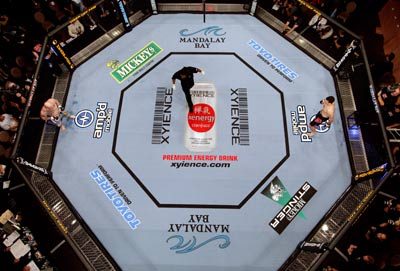
Most combat sports happen in a square ring. Boxing. Wrestling. Even bare-knuckle boxing. The UFC chose a different geometry. They built an Octagon. It is not just a cage with eight sides because the name sounds cool. It is a deliberate structural choice that changes how fighters move, strike, and survive.
The structure itself is precise. It measures exactly 30 feet across. That diameter is tight enough to keep grappling exchanges intense, but wide enough to allow for some lateral movement. The walls are not solid steel plates. They are fencing material. You can see through them. This matters for crowd engagement. Fans need to see the action, not just the perimeter.
Padding covers every edge and corner. This is non-negotiable. A bare metal corner would turn a slip into a broken bone. The fencing material is taut, creating a boundary that fighters can lean against or use for leverage, but it does not absorb impact like a rope. It pushes back.
Canvas and Gates: The Mechanics of Entry
The floor tells a different story. It is canvas. Heavy-duty, custom-painted canvas. Each event gets its own design. UFC 300 looked different from UFC 299. And once the night is over, that canvas is gone. It is never reused. The wear and tear from cleats, sweat, and blood degrades the surface. Reusing it would be a safety hazard.
Access is controlled by two gates. These are the only openings in the cage. At the start of every round, officials lock them shut. There is no ambiguity. If the gate is open, the fight is paused.
Who gets inside? Only two people during the action: the fighters and the referee. No gloves. No extra pads. Just them and the official watching for fouls or stoppages. This isolation forces self-reliance. You cannot call for help mid-exchange.
The Corner’s Role Between Rounds
When the bell rings to end a round, the dynamic shifts instantly. The gates fly open. Corner men rush in. Their job is not just to cheer. They are tactical engineers and field medics.
Strategic advice comes first. “Switch stances.” “Shoot for the legs.” “Rest now, burn later.” These instructions are delivered in seconds, often over the noise of the crowd. The fighter has to process this while adrenaline is spiking and lungs are burning.
Then there is the medical side. Cuts are common. Blood obscures vision. It is a distraction. Corner men apply pressure. They use adrenaline shots. They clean the face. They stop the bleeding so the fighter can see their opponent again. A cut fighter is a vulnerable fighter. If the bleeding is not controlled, the referee can stop the bout.
The Octagon is more than a venue. It is a participant in the fight. The eight sides limit escape routes. The canvas dictates footing. The gates control flow. Understanding this structure helps explain why some fighters thrive inside while others feel trapped. It is a cage, yes. But it is a cage with rules, materials, and timing that shape every punch and kick.
Does the octagonal shape really reduce the chances of a fighter being trapped in a corner compared to a square ring? Some argue the angles provide more escape routes. Others say
The Cage: Why Shape Matters
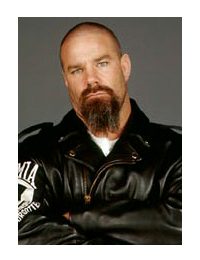
Let’s clear up a myth right out of the gate. Tank Abbott tried it. He actually looked like he was going to heave Carl Worsham over the fence during a UFC bout. It didn’t work. Fighters can’t leave the cage. Period.
But why an octagon? Dana White has the answer, and it’s not just aesthetic. The early UFC days were a free-for-all of styles. Boxing uses squares. Wrestling circles. If you pick the wrong shape, you give one discipline a geometric advantage. The Octagon was engineered to level the playing field.
The angles are wider than a boxing ring’s corners. That means less chance for a fighter to get pinned in a dead end with no escape route. It’s a stable structure. Safety first for the athlete, clarity for the crowd. And the fencing? Purely functional. Stop people from falling out. Or being thrown out.
Matchmaking Without Rankings
Here’s where it gets interesting. The UFC doesn’t have a formal ranking system. None. Dana White thinks rankings get in the way. They invite corruption. They clutter the path to the best fights.
Instead, they rely on Joe Silva. Vice president. Matchmaker. Silva uses his own internal metric. He analyzes styles. Records. He figures out who puts on the most exciting show. When a fighter proves themselves? They earn a title shot. No numbers. Just performance.
Weight Classes: The Numbers Game
The UFC recognizes five distinct weight classes. Fighters stay in their lane. Usually.
- Lightweight : 145 to 155 pounds
- Welterweight : 155 to 170 pounds
- Middleweight : 170 to 185 pounds
- Light Heavyweight : 185 to 205 pounds
- Heavyweight : 205 to 265 pounds
Moving up? You gain mass. You lose speed. Moving down? You might lose striking power. It’s a constant trade-off. Athletes are always balancing weight against effectiveness.
The Toolkit: Striking, Grappling, Ground Fighting
When the bell rings, techniques fall into three broad buckets. Striking. Grappling. Ground fighting. Let’s break them down.
Striking

The Reality of Striking and Gloves
The gloves tell a story about risk. Official UFC gloves are fingerless, weighing in at just 4 to 6 ounces. Compare that to boxing gloves, which hover between 8 and 10 ounces depending on weight class. The thin padding means fighters can’t just throw haymakers without thinking. Damage to their own hands is a constant threat. Punches, kicks, knees, and elbows are the tools of the trade. Most athletes pull from a mix of disciplines. Boxing provides the hands. Muay Thai, the Thai style of boxing, often supplies the knees and elbows.
But the rules dictate exactly where those strikes can land. You can’t kick the head of an opponent who is on the ground. That’s a hard limit. Downward strikes with the point of the elbow are banned too. Hitting the back of the head is out. These restrictions exist to protect fighters from catastrophic injury, even if they don’t always feel like they’re limiting the chaos in the octagon.
Breaking the Stand-Up: Takedowns and Sprawls
Striking is only half the equation. Many fighters spend more hours drilling grappling and wrestling than they do on the heavy bag. The goal here is simple: force the opponent to the floor. This is a takedown.
Defense looks different. A sprawl uses balance and leverage to keep you on your feet. It’s ugly, physical, and effective. When a takedown happens, it can be spectacular. Think slams or suplexes that end the fight in seconds. Or it can be mundane. Just enough pressure to knock someone off balance and shift the momentum.
Submissions and Ground Control
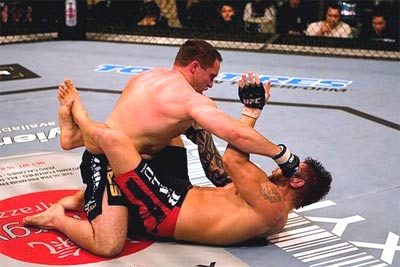
Once the fight hits the mat, the stakes change. Good grapplers aren’t just trying to pin you; they’re looking for the finish. Submissions come in two flavors: strikes or holds. A guillotine choke is a classic example. It can be applied while standing, which catches many strikers off guard. Most holds, however, require both bodies to be grounded. The leverage is easier to find when gravity is working for you, not against you.
How to Win a UFC Match
The cage floor isn’t a place of rest. It’s where the real damage often happens. Unlike boxing or traditional kickboxing, where a knockdown usually pauses the action, MMA continues. The fight goes on.
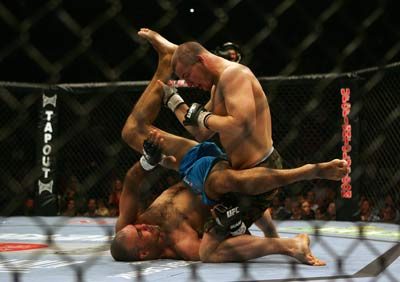
Ground and pound is a staple here. Strikers will rain down elbows and fists while their opponent tries to survive. Meanwhile, grapplers look for submissions. The key is position. You hear the commentators shout about the guard, half guard, side control, and full mount. These aren’t just buzzwords. They describe exactly who holds the advantage.
Consider the guard. If Fighter A is on their back and wraps their legs around Fighter B’s hips, Fighter B is trapped inside that guard. It’s a defensive shell for the bottom fighter. But it’s also a launching pad for attacks from the top.
Success in the UFC demands versatility. You can’t just be a striker. You can’t just be a wrestler. Even if your specialty is one area, you need a baseline understanding of the others. A boxer who can’t defend a takedown will get taken down. A wrestler who can’t strike well will get countered on the feet. The modern fighter trains all three disciplines extensively.
Winning comes down to three main paths: the decision, the knockout, or the submission.
1. The Decision
If neither fighter finishes the other, the judges decide. They score each round based on effective grappling, striking, and octagon control. Most fights go to a decision. It’s not the most exciting outcome for casual fans, but it’s common. The winner is whoever wins the majority of rounds.
2. The Knockout or Technical Knockout (KO/TKO)
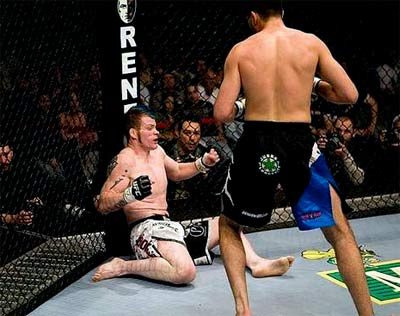
A knockout means the fighter cannot continue. The referee stops the fight. A TKO is similar but often involves a fighter taking too many unanswered strikes to intelligently defend themselves. The referee steps in to protect them. No judges needed. Just one clean hit or a barrage of strikes that ends the contest.
3. The Submission
This is where technique beats brute force. A fighter applies a hold that forces their opponent to tap out. The tap is a universal sign of surrender. It can be with the hand, the foot, or even just a verbal “tap.” Submissions break joints or cut off blood flow to the brain. It’s a quick end. No need for a referee stoppage if the fighter admits defeat.
Sometimes the outcome is a draw. Rare, but it happens. If the judges score all rounds evenly, the fight ends in a draw. Or sometimes, an accidental illegal move changes everything. An eye poke can lead to an early stoppage. If a fighter can’t continue due to an accidental foul, the result might be a no contest or a technical draw, depending on how many rounds were completed.
But usually, it’s simpler. One fighter wins. The other loses.
The criteria for scoring can feel subjective to outsiders. Who had the more effective striking? Who controlled the clinch? The judges look at the “octagon control” too. But control without damage doesn’t win fights. You have to land. Or you have to make your opponent quit.
“The best fighters aren’t the strongest. They’re the ones who can adapt. They strike when they need to strike and grapple when they need to grapple
How to Win a UFC Fight: Submissions and TKOs
Striking works. Grappling works. But in the Octagon, you do not win by landing the prettiest kick or the most dominant position. You win by forcing a specific outcome. The UFC offers only two primary ways to take down an opponent outside of a judges’ decision: the submission and the technical knockout. Both require your adversary to break.
The Honor of the Tap
A submission victory happens the moment your opponent surrenders. It is physical. It is verbal. It is the tap.
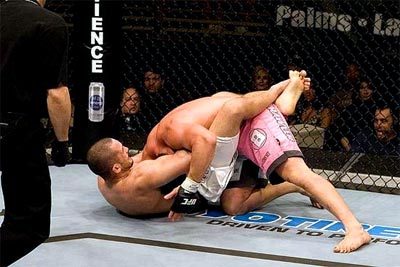
Fighters tap when they realize they cannot escape a hold or protect themselves from strikes. Think of an armbar hyperextending the elbow. Or an ankle lock twisting the joint past its natural limit. The pain is immediate. The risk of permanent injury is real. You tap to stop it.
Sometimes the submission is silent. A rear naked choke cuts off blood flow to the brain. The fighter goes limp. The tap comes late or not at all. Referees step in only when unconsciousness is imminent. In other sports, giving up ends your career. It is seen as weakness. Here, it is honorable. You survive. You respect the technique. You walk away.
The Referee’s Gavel: TKO
Not every fight ends with a tap. Some end with the referee waving them off. This is the technical knockout.
Boxing has a standing eight count. MMA does not. The rules are different. The chaos is different. When a fighter takes heavy damage, the referee must assess the situation in real-time. Can they defend themselves intelligently? Are they absorbing strikes they cannot block? Is their eyesight gone?
If the answer is no, the fight is over. It does not matter if the fighter is on their feet or pinned on the mat. The referee’s judgment is final. They protect the fighter from unnecessary harm. A TKO looks like a KO on the broadcast but carries a different nuance. It implies defenselessness rather than pure concussive force. Yet the result is the same. One hand goes up. The other goes down.
Which method do you prefer? The tap of respect or the referee’s decisive intervention? The answer changes depending on who is watching and who is bleeding. The cage door closes. The bell rings. The decision hangs in the air.
If the bell rings and neither fighter taps out nor gets knocked cold, you’re waiting for the verdict. The judges hold the power. They use the 10-point must system to score each round. Winner gets 10. Loser gets 9 or less. Lower scores happen for fouls, inactivity, or just playing it safe.
Three judges score every bout. Their tallies decide the outcome.
How do judges determine the winner in a UFC fight?
If all three agree on the same fighter, it’s a unanimous decision. Clear cut. Two judges pick one fighter, the third picks the other. That’s a split decision. It’s closer. The crowd holds its breath. If two judges pick a winner and one calls it a draw, that’s a majority decision.
You can also win if the fight is stopped due to injury. This is a technical decision. Your opponent is hurt. They can’t go on. You get the win. If a fighter breaks the rules and the referee steps in, they get disqualified. That’s a win for you. Sometimes a fighter just gives up. A forfeit ends the fight immediately. Injury or illness might be the reason.
Fights don’t always end with a clear winner. A standard draw happens when judges’ scores cancel out or are identical. If both fighters are too hurt to continue, the referee calls a technical draw. Sometimes neither fighter is at fault, but a foul causes an injury that ends the bout. Then it’s a no contest. No one wins. No one loses.
This complexity makes UFC fights electric. The ground game changes everything. A fighter might look dominant on their feet. Then they go to the mat. Suddenly, the tide turns. A quick escape. A mistake by the opponent. The narrative flips in seconds.
Judging in the UFC is harder than in boxing. Strikes matter. Takedowns matter. Ground technique matters. Usually, the top position wins. It controls the pace. But not always. A skilled defender on the bottom can neutralize the offense. Judges might award the round to the person on the floor. It’s subjective.
Dana White knows this. He says judging is controversial. The key is damage. Who did the most damage? Round by round. It’s the main thing to look for.
The history of how judges have handled this adds another layer. It’s not always been smooth.
For more common questions and expert answers on sports and athletic performance, visit Sharecare.com.
UFC History
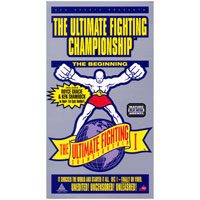
The concept didn’t emerge from a boardroom filled with lawyers. It started with Rorion Gracie. He was already an expert in Brazilian jiu-jitsu (BJJ) and had a very specific mission. He wanted to promote his family’s martial arts school. The curriculum was brutal in its simplicity. Keep techniques that work in a real fight. Discard anything designed for show or style.
Before the cage existed, the Gracie family was already legendary. They ran what became known as the “Gracie Challenge.” It was an open invitation. Experts in any fighting discipline could step up to face a Gracie or one of their students. It was a real fight. No rules. No gloves. Just proof of concept.
Then came Arthur Davie. He was an ad man with a different angle. He pitched the idea of a martial arts tournament to the Semaphore Entertainment Group (SEG). The pitch was simple but dangerous. Experts in different styles would face off. The goal was to determine which style was actually the best. Who wins when boxing meets karate? Who wins when jiu-jitsu meets kickboxing?
The name came from an unexpected source. An SEG employee named Michael Abramson reportedly coined “The Ultimate Fighting Championship.” It sounded definitive. Final.
On November 12, 1993, SEG debuted the event. Later, history would label it UFC 1.
The format was pure tournament. Most early UFC events followed this structure. You won a match? You moved up. You faced a new opponent. Lose? You were out. Davie designated some fighters as alternates, just in case someone got hurt or couldn’t continue. The roster was a chaotic mix of masters. Karate. Kickboxing. Boxing. Jiu-jitsu. Even Sumo wrestling.
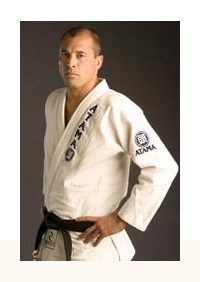
Royce Gracie entered the fray. He was Rorion’s younger brother. Not the biggest guy in the cage. Not the most flashy. But he understood leverage. He understood gravity. He understood that size means nothing if you’re being choked unconscious.
In the final bout, Royce faced Gerard Gordeau. Gordeau was a jiu-jitsu practitioner too, but Royce was faster. Smarter. He caught Gordeau in a rear naked choke. The fight ended. Royce won the tournament.
The event was a success. Not just a success. A phenomenon. SEG immediately began planning more tournaments. They kept the name. They decided on a numbering system for almost all future events. UFC 2. UFC 3. The legacy had begun.
The Wild West Era
Back in the early days, the cage looked nothing like the sanitized, corporate product we see now. There were no weight classes initially. A lightweight Jiu-Jitsu practitioner could be matched against a Sumo wrestler. It was chaotic. Weight classes finally arrived for UFC 12, but even then, they were refined multiple times as the sport struggled to find its footing. Fighters were allowed to wear their traditional gear. If you did Jiu-Jitsu, you wore a gi. If you did Karate, you showed up in your karate pants.
Round lengths were a free-for-all. The UFC experimented with time limits. Some events had no cap on rounds. The goal was simple: fight until someone clearly won. No time-outs. No mercy.
Ground Game Dominance
The style-vs-style gimmick didn’t last. Most fights went to the mat. And many of the traditional martial artists in the early roster had zero training for ground fighting. They were out of their depth. Royce Gracie won three of the first four tournaments. He proved a point that changed everything: you need a ground game to survive.
Fighters adapted. They stopped relying solely on their specific discipline. They added wrestling. They learned submissions. The influx of black belts slowed down. The UFC quickly realized a black belt didn’t equal a good fighter. It meant you had spent years studying the uniform, not necessarily the violence inside the cage.
No Rules, No Judges
The UFC held events in states without athletic commissions. Why? To avoid regulation. There were no judges. Just referees. And even when judges were added, there were no clear scoring criteria. Referees couldn’t stop a fight. Their only job was to enforce the few existing rules and witness submissions. It took a few early events for the UFC to give referees the power to stop fights. Once they did, the sport became safer. More survivable.
The Tournament Format
Except for UFC 9, which was a series of single fights, the UFC used a tournament format until UFC 18. Fighters faced multiple opponents in one night. It was grueling. From UFC 18 onward, with the exception of UFC 23, events featured single matches. No more marathon nights. Fighters could focus on one opponent. One fight.
Haphazard Growth
Dana White has said the evolution of the UFC was haphazard. It was never meant to happen. The first Ultimate Fighting Championship event was supposed to be a one-off. It did well on pay-per-view. So they did another. And another. Never in a million years did they think they were creating a sport. They were just throwing a spectacle.
Financial Ruin and SEG
The UFC gradually introduced more rules. It was a way to appease critics. To shape mixed martial arts into a legitimate sport. But by this time, Zuffa’s predecessor, SEG, was in trouble. Financially. From UFC 23 to UFC 29, SEG faced bankruptcy. They couldn’t afford to release these events to home video. The tapes disappeared. The history was lost.
Courting Controversy
SEG promoted early UFC events as brutal fights. Between martial arts experts. No holds barred. All fights would end with a clear winner. Superior style would emerge. They trumpeted the fights as brutal exhibitions of force. They invited scrutiny.
United States Senator John McCain was a critic. A boxing fan. He thought UFC fights were akin to “human cockfighting.” He urged state governors and city governments to ban UFC events. Planned fights had to change venues at the last moment. Arenas told the UFC they were no longer allowed to hold their fights there. The pressure was mounting.
The Fall of SEG
For a long time, the UFC resisted partnering with state athletic commissions. SEG continued to promote the UFC as a primal sport. It only invited more trouble. Some cable companies refused to carry UFC pay-per-views. SEG’s options became more and more limited. By the time the UFC adopted rules established by the New Jersey Athletic Control Board, it was too late for SEG to recover.
The Fertitta Era
In 2000, SEG promoted UFC 29: Defense of the Belts. It was the last UFC event SEG would produce. The company faced bankruptcy. Political pressure had crippled its ability to book and promote shows. Two brothers, Frank Fertitta III and Lorenzo Fertitta, formed Zuffa, LLC. Zuffa means “to fight” or “to scrap” in Italian. They bought the UFC. Former amateur boxer and fight promoter Dana White became president of the new organization.
Lorenzo Fertitta was a former member of the Nevada State Athletic Commission. Soon the commission oversaw UFC events. This gave the UFC some much-needed credibility. Cable companies began to carry their pay-per-view events again. The sport was saved. For now.
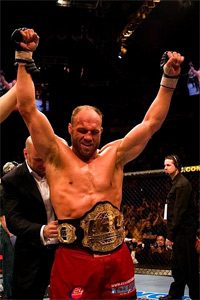
Randy Couture. Five titles. A legend carved in granite. But before he was just a name in the record books, he was part of the machinery that saved the sport from the brink. Let’s go back to 2001. UFC 30: Battle on the Boardwalk. This wasn’t just another card. It was the first event promoted by Zuffa. The one that changed the trajectory. Pay-per-view numbers were climbing. Home video sales were back on the table. But the real shift was cultural. Dana White stepped into the spotlight and started rewriting the narrative. He didn’t just want wins. He wanted respect.
The old guard painted fighters as barbarians. Monsters. White pushed back hard. His message was clear. These aren’t thugs. They are competitors. Professionals. Good guys who want to prove who holds the belt. It wasn’t just spin. It was strategy. You can’t build a billion-dollar empire on the back of a reputation for mindless violence. You need stars. You need relatability. You need a story that makes someone tune in who would never have watched a cage fight five years prior.
Breaking Into Cable Television
Then came 2005. Spike TV. The Ultimate Fighter. The title says it all, but the impact was far more complex. This wasn’t just a highlight reel. It was a reality show. Real fighters. Real stakes. Real drama. The structure was simple but lethal. A bunch of hopefuls. Divided into camps. Training together. Living together. Arguing. Bonding. Then fighting. Each episode ended with a winner staying and a loser going home. No contracts. No safety net. Just the pressure of elimination.
For the first time, fans didn’t need a credit card and a PPV purchase to watch UFC. They could just turn on cable. Spike TV gave the organization a platform it never had. It educated the audience. It showed the human side of the athletes. The sweat. The doubt. The triumph. And it worked. Ratings exploded. Sponsorships followed. The sport moved from a niche curiosity to mainstream entertainment. Spike TV didn’t just air the show. They validated the model.
Why This Era Matters
Looking back, the decisions made in those early Zuffa years define the UFC of today. The shift from “death match” to “sport.” The move from PPV exclusivity to broad cable exposure. These weren’t accidents. They were calculated moves. White and the team at UFC knew they couldn’t survive on hardcore fans alone. They needed the casual viewer. The skeptic. The person who thought MMA was just people hitting each other until one stopped.
The Ultimate Fighter proved that narrative sells. People didn’t just care about the knockout. They cared about the fighter who came back from three losses. The guy who trained in a garage. The camp rivalry. That’s what built loyalty. And that loyalty is what keeps the lights on.
What Comes Next
The foundation is laid. The audience is engaged. The brand is safe. But the work isn’t done. White knows this. The momentum from Spike TV needs to be sustained. New strategies are being developed. Expansion into new markets. Dealing with the growing pains of success. The future isn’t just about bigger fights.

Dana White is ready to bridge the gap between two giants. When the Fertitta brothers bought Japan’s Pride Fighting Championship back in March 2007, fans breathed a sigh of relief. We finally get to see if UFC dominance holds up against Pride’s elite. White says it’s no longer just a dream. The plans are early, sure. But the stage is set for a real-world test. Who really runs each weight class? We might soon find out.
The UFC isn’t staying in Nevada. They’re expanding. Live events are hitting Europe, Japan, Canada, and Mexico. The goal? Build a grassroots fan base. White knows TV reaches 170 countries. That’s great for awareness. It’s not enough. You need bodies in seats.
“When you take the live event somewhere and you get 15,000 or 20,000 people to show up… they talk to their friends. It starts to spread…that whole word of mouth thing happens, and it’s imperative for the growth of the business.”
Word of mouth drives global growth. Live events create that buzz. You can’t replicate the roar of a crowd on a screen. You have to feel it. That’s why the push for international shows matters. It’s not just about broadcasting rights anymore. It’s about presence.
Getting into the cage isn’t cheap, but it’s accessible.
How much does it cost to go to a UFC fight?
The average ticket sits around $208. You can snag seats for as low as $64 depending on the card and city. It varies. But if you’re chasing the money, look at Conor McGregor. He’s the richest fighter out there. His net worth? Estimated at $120 million. That’s the ceiling.
Most fights land on pay-per-view. You can grab them on the UFC site or via ESPN+. The library isn’t complete, though. Events 23 through 29 are still locked up. No commercial DVDs for those yet.
What exactly is MMA anyway? It’s mixed martial arts. A hybrid. You pull from boxing, wrestling, judo, jujitsu, karate, Muay Thai. Everything goes. That’s why the debate over legality flares up. It isn’t illegal. It’s exploding. One of the fastest-growing sports in the U.S. New York dropped its ban as recently as 2016. The stigma is fading. The fans are staying.
Where can I watch UFC events live?
Pay-per-view is still the king for main events. Streaming has caught up. ESPN+ and the UFC app give you access. But nothing beats the arena. You want the noise? You want the tension? You go live.
The road from controversy to mainstream acceptance was rough. How pro wrestling works is different from how boxing works. This is combat. No scripts. Just technique and survival. It’s raw. It’s violent. It’s sport. And it’s here to stay.
Links to Sherdog, MMAFighting.com, and the Nevada State Athletic Commission will keep you in the loop. The history of the UFC is written in blood and sweat. From amateur fights rounding up crowds to global phenomena. The Fertitta buyout was the catalyst. White is the accelerator.
The world is watching. The fighters are sharpening their skills. Pride’s legacy isn’t gone. It’s waiting.