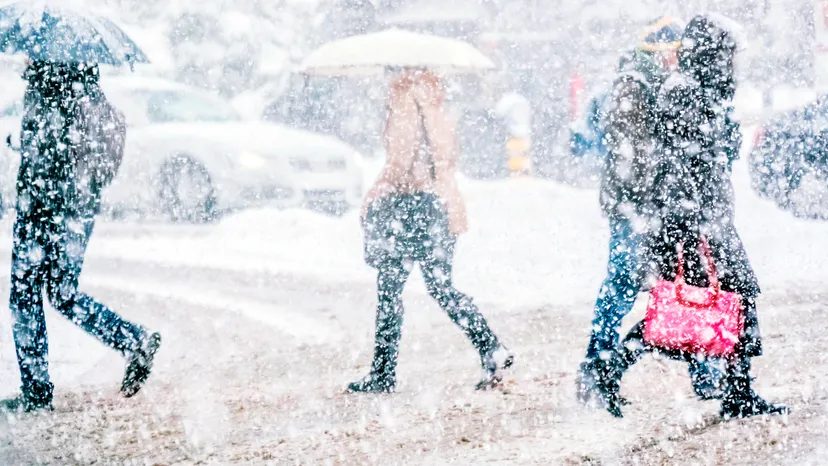
Some days the sky is clear, the breeze is gentle, and the temperature hits that sweet spot around 60 degrees. You lace up, step out, and feel good. But then the weather turns. Snow falls. Wind howls. Or the heat rises until you feel like your soles are melting into the pavement.
You might think walking is off the table. It’s not.
If you treat walking like eating or sleeping—something you just do regardless of the forecast—you’ll walk through rain, sleet, and scorching sun. You’ll even enjoy it. The trick isn’t toughness. It’s preparation. Knowing when to push and when to stop saves your skin. Literally.
Temperature extremes aren’t just uncomfortable. They’re dangerous. But with the right gear and knowledge, you can keep moving outdoors in almost any condition.
Let’s talk about the heat. Because right now, that’s where most people get hurt.
The Hidden Dangers of Walking in Hot and Humid Weather
Fitness level doesn’t save you from heat. Not really. Even elite athletes collapse if they ignore the basics. If the mercury climbs and humidity spikes, your outdoor walk might need to move indoors. An air-conditioned track, a gym, or even a mall is a smart pivot.
Here’s why.
Your body has a built-in cooling system. It aims to keep your core at roughly 98.6 degrees Fahrenheit. When it’s hot, you sweat. That sweat evaporates off your skin, pulling heat with it. Simple physics.
At the same time, blood vessels near your skin expand. More blood flows to the surface. That’s why you look flushed after a hard workout. The blood carries heat from your core out to your skin, where it radiates away.
It’s a natural air-conditioning unit. But it has limits.
If you don’t drink enough water, the system fails. Dehydration means less sweat. Less sweat means less cooling. In extreme cases, the mechanism shuts down completely.
Humidity makes it worse. When the air is thick with moisture, sweat can’t evaporate. It just sits there. You’re losing water, but you’re not cooling down. Your body temperature keeps climbing. A breeze helps, obviously, but still air? That’s a trap.
There’s another factor: acclimatization. Your body doesn’t adjust overnight. It takes four days to two weeks for physiological changes to kick in.
Once acclimatized, your body sweats earlier. It produces more sweat. It spreads it more evenly. It sends more blood to the surface. Without this adaptation, you’re flying blind. You’re asking your body to do a job it isn’t ready for.
Recognizing Heat Cramps, Exhaustion, and Stroke
Push too hard in the heat, and things go bad. Fast.
There are three main types of heat illness. They overlap. They progress. If you ignore the early signs, you slide from minor discomfort to life-threatening emergency.
Heat cramps are the mildest form. They’re painful muscle spasms. Usually in the legs or arms you’re using. They happen during or after intense exercise. The cause? Loss of water and salt through sweat. Your body temperature stays normal. Rest. Rehydrate. They usually pass.
Heat exhaustion is more serious. Also called heat prostration. It hits people who aren’t acclimatized. It happens when you sweat too much and don’t drink enough.
Symptoms include:
– Weakness
– Dizziness
– Collapse
– Headache
– Weak, rapid pulse
– Cold, clammy skin
– Dilated pupils
The victim still sweats. Body temperature is near normal. This is your warning shot.
If you feel this coming on, stop. Move to a cool place. Rest. Drink water. Lots of it.
Heatstroke is the worst. Also known as sunstroke. This is a medical emergency. Your cooling system breaks down. It can’t keep up.
Sweating stops. The circulatory system strains. Body temperature can spike to 106 degrees Fahrenheit or higher. If you don’t cool the person down, they die.
Symptoms:
– Hot, dry skin
– Rapid pulse
– High body temperature
– Headache
– Dizziness
– Abdominal cramps
– Delirium
Often, the first sign is loss of consciousness.
Action is required immediately. Move the victim to a cool area. Ice water bath. Ice packs. Get medical help. Now.
Don’t wait.
How do you avoid getting to this point? That’s the next step.
How to walk safely in hot weather
The sun is up. It’s hot. You still want to walk.
That’s fine. But you have to be smart about it. Heat illness isn’t a rumor. It’s real. And it’s preventable.
Water is your first line of defense. Not later. Now.
Drink 2 or 3 cups of cold water 10 to 20 minutes before you step outside. Keep sipping during the walk. Drink again when you’re done. Thirst is a bad guide. By the time you’re thirsty, you’re already behind.
Slow down.
Especially the first few days of a heatwave. Your body needs time to adjust its cooling system. Shorter walks. Lower intensity. Let your physiology catch up.
Timing matters too.
Walk early morning or late evening. The air is cooler. The sun is less aggressive. Avoid the midday burn. Those rays are powerful.
Seek shade. Parks. Forest preserves. Tree-lined streets. If there’s a breeze, use it. Walk with it at your back for the first half. Then turn around. Let that cool air hit your sweaty face for the second half.
Dress like you mean it.
Wear less. Choose breathable fabrics. Cotton works. It absorbs sweat and lets it evaporate. Loose shorts. A loose T-shirt. A tank top. Even a fishnet vest if you’re feeling adventurous. Light colors reflect the sun. Dark colors absorb it.
If you chafe, use petroleum jelly. On the skin. In the trouble spots.
Jogging outfits? Sure. Just make sure the material is porous. You want air circulation. You want moisture to escape. Trap heat and moisture, and you’re cooking yourself.
Avoid rubber or plastic sweatsuits. They create a mini-greenhouse on your body. No evaporation. Just dehydration. Heat exhaustion. Maybe heatstroke. It’s a bad combo.
And forget the myth that sweating equals fat loss. You lose water. You drink it back. The weight returns. The fat stays.
Protect your head.
The sun hits your head first. Wear a light-colored cap. It reflects rays. Soak it in cold water first. It helps.
Sunscreen is non-negotiable.
SPF 15 or higher. Apply it to all exposed skin. Waterproof is better. You will sweat. Regular sunscreen washes off. You want protection against burning. And skin cancer.
Know when to quit.
This is the most important part. Watch the weather. Watch your body. If you feel bad, stop. Go inside.
Humidity changes everything.
Walking in high humidity
Heat is one thing. Humidity is another.
High humidity stops your sweat from evaporating. Your body can’t cool itself. The temperature feels hotter than it is.
Check the heat index.
It’s the “apparent temperature.” The real feel.
85°F with 75% humidity feels like 95°F.
Check your local forecast. They usually list it.
Here’s the breakdown:
- 80-90°F heat index: Use caution. Cut your time. Especially if you’re new to walking. Or over 50. Or taking medication. Or dealing with serious health issues.
- 90-105°F heat index: Risk of heat cramps and exhaustion. Drop the intensity. Shorten the walk. Stay in the shade. Drink fluids.
- Over 105°F heat index: Don’t go outside. Move indoors. Heatstroke is likely.
You can walk in Atlanta in August if you’re careful.
But what about Chicago in February?
Why walking in the cold actually matters
Snow falls. Temps drop. The instinct is to hibernate. Don’t.
Winter doesn’t cancel fitness. It just changes the rules. Skipping your walks because it’s cold means losing the gains you built all year. But there’s a mental angle too. Getting outside fights seasonal affective disorder (SAD). That winter blues feeling? A daily walk can blunt it.
But you have to respect the cold. It’s not just “uncomfortable.” It’s dangerous if you ignore the basics.
Low temps and high winds are the real enemies. You already know about windchill, but remember: you create your own wind when you walk. That motion strips heat from your body faster than standing still. Ignore it, and you risk frostbite or hypothermia.
Frostbite: It’s not just about cold feet
Frostbite is tissue freezing. Ice crystals form inside skin, tendons, muscles, even bones. It happens when you stay out too long in below-freezing temps.
Your body plays defense by shunting blood away from extremities to save your core. So your hands, feet, ears, and face go first. They’re also the parts most likely to be exposed.
Smokers? You’re at higher risk. Nicotine constricts blood vessels. Less blood flow means colder extremities. It’s that simple.
Watch for these signs:
– Pain followed by numbness
– Skin turning white or blue
– Loss of function in the area
If it happens:
1. Move to a warm place immediately.
2. Rewarm with lukewarm water. Not hot. Hot burns numbed skin.
3. Never rub the area. Rubbing damages tissue.
4. Forget the old myth about rubbing snow on it. That’s just cruel and ineffective.
Hypothermia: When the core goes cold
Hypothermia is different. This is your core temperature dropping below 98.6°F.
Early signs are easy to miss if you’re focused on your pace:
– Severe shivering
– Slurred speech
– Clumsy gait or difficulty walking
If you hit 90°F internally, shivering stops. Confusion sets in. Then unconsciousness. Then cardiac arrest.
Treatment is gradual rewarming.
You can’t just throw someone in a hot bath. Sudden heat expands surface blood vessels, pulling blood away from vital organs. It’s dangerous.
Get medical help. While you wait:
– Move them to a warm place.
– Cover with blankets.
– If they’re alert, offer a warm, non-alcoholic drink.
No alcohol. Alcohol increases heat loss. It impairs judgment and makes the problem worse.
How to use the Windchill Index
The thermometer lies if you ignore the wind.
A reading of 30°F feels like 0°F if the wind is blowing at 25 mph. Check your local forecast for the windchill factor, not just the air temp. If the windchill is near zero, you need serious protection.
Dressing right: The layering strategy
Cold-weather walking isn’t about wearing more clothes. It’s about wearing them right.
Reverse your summer logic. Wear dark colors to absorb solar heat, unless you’re out in low light. Then, slap on reflective tape or a vest. Visibility saves lives.
Think of your body as the furnace. Your clothes are the insulation. You need loose-fitting layers to trap warm air next to your skin. The more you walk, the warmer that trapped air gets.
The layering system:
1. Inner layer: Wicks sweat. Choose polypropylene, silk, or fine wool. Cotton kills you here—it holds moisture.
2. Middle layer: Insulates. Knitted wool or synthetic pile works best.
3. Outer layer: Blocks wind and snow. (Implied by the need for protection, though the text focuses on the first two).
The goal is total thickness, not just one heavy coat. Loose fit allows movement. Tight clothes restrict blood flow.
Take rest breaks if you’re fatigued. Cold drains energy faster than you think. Stay hydrated. Stay sober. And keep moving.
Why You Overheat in the Cold and How to Stop
There is a dangerous myth that you cannot overheat when it is freezing outside. You can. In fact, you probably do. Walking for more than thirty minutes raises your core temperature significantly. The cold air masks the heat your muscles generate. You start sweating. That sweat turns to vapor. If your outer shell traps it, you get wet. Wet clothing loses its insulation value fast.
Choose a windbreaker made of tightly woven, water-repellent fabric. It needs to breathe. Let the vapor escape. Start your walk with more layers than you think you need. It is easier to take something off than to put it on. Tie the extra clothes around your waist. Better yet, wear a jacket with a full zipper. Unzip it when the heat builds. Let the cold air in.
Dehydration happens in winter too. Cold air acts as a diuretic. It makes you pee more. You lose fluid without noticing. Your thirst reflex is also muted in the cold. Do not wait until you are thirsty. Drink water before you go. Drink during the walk. Drink after. It sounds boring but it keeps your joints lubricated and your blood volume stable.
How to Choose Socks, Hats, and Mittens for Walking in the Cold
Your extremities are the first to fail. Fingers, toes, nose, ears. They lack the fat padding of your core. Frostbite strikes there first. Wet feet are the real enemy. Cold is bad. Wet and cold is catastrophic. Leather boots outperform nylon or canvas in damp conditions. They keep water out. Desperate walkers wrap plastic bags over their socks. It sounds absurd. It works. Suede shoes stayed dry for ten hours in snow using this trick.
Socks matter. Cotton is a trap. It holds moisture. Look for Orlon or wool blends. They wick sweat away. Padding matters in the heel and ball of the foot. But fit is king. Your shoes must be large enough. You need an air pocket around your toes. That trapped air insulates. If your boots are tight, that air layer disappears. Frostbite follows. Blisters follow. Corns follow.
Some people wear two pairs of socks. This works only if the shoes are big enough. If you cram two pairs into a snug boot, you cut off circulation. The inner sock should be thin. The outer sock provides the bulk and warmth. Length counts too. Ankle socks leave your calves exposed. Crew socks or knee-highs protect more skin. Keep the wind off the shin.
What to Wear on Your Head and Hands
Your head is a heat radiator. Estimates suggest you lose up to 80 percent of your body heat through your head if it is uncovered. Put on a hat. A heavy knitted wool cap works well. Pull it down over your ears. Ears are thin-skinned. They frostbite quickly. Earmuffs help if your hat falls short.
Face masks are tricky. They keep the wind off your cheeks. But your breath condenses. That moisture freezes into ice crystals around your mouth and nostrils. It is uncomfortable. Some walkers report sinus congestion from the trapped humidity. Use a mask only when the windchill is severe. Otherwise, let your face breathe.
Hands need protection too. Mittens beat gloves every time. Fingers share warmth in a mitten. Separated in a glove, they cool independently. In extreme cold, layer up. Wear gloves inside mittens. Or wear tube-sock mittens that extend up the wrist. The extra coverage stops heat from escaping up the arm.
Other Cold Weather Walking Tips
Do not leave the sunscreen at home. UV rays penetrate winter clouds. Snow reflects them. The angle of the sun is lower, but the exposure is still there. Skin cancer does not take a winter break. Apply SPF 30 or higher. Your face and ears are exposed. They burn just like in July.
Walking in the cold requires a shift in mindset. You are generating heat. You are losing fluid. You are vulnerable to wind chill. Manage the layers. Keep the extremities dry. Protect the head. The rest is just rhythm.
Sun glare and winter skincare
Snow reflects UV rays. It amplifies them. You might think you’re safe because it’s cold, but the sun doesn’t care about the temperature. Use sunscreen. If you wear SPF 15 or higher in July, wear it in January too.
Avoid alcohol-based formulas. They dry out skin that cold and wind are already attacking. Creams stay put better against sweat and chill. Alcohol-based sprays just evaporate and leave you exposed.
Pack a backup. Driving to a remote trail? Toss an extra set of clothes, dry shoes, and a blanket in the back seat. Treat it like a spare tire. Essential. Add a thermos with something hot. You’ll thank yourself if you get stranded or just really cold.
Don’t walk alone in extreme cold. Bring a partner. Tell someone where you are going and when you’ll be back. It’s basic safety, not paranoia.
Skip the booze before a walk. Drinking and walking is risky. Alcohol dilates blood vessels in your hands and feet. You feel warm. It’s a lie. Blood is leaving your core organs to warm your extremities. Your internal temperature drops.
Alcohol also stops shivering. That’s your body’s natural heater. It shuts that off. You lose judgment. You forget to go inside.
How cold affects heart and lung health
Cold weather isn’t inherently bad if you’re healthy. But it stresses the body.
If you have heart disease, ask your doctor first. Even if they cleared your walking routine, cold adds a variable. Cold constricts blood vessels. You breathe shallowly through your mouth. Blood thickens slightly.
This creates a mismatch. Your heart needs more blood during exercise. The cold restricts supply. Angina can follow. Chest pain is the warning sign. Doctors can advise on indoor alternatives or specific timing to minimize risk.
High blood pressure acts similarly. Cold makes muscles contract to save heat. Blood gets rerouted to vital organs. Pressure spikes. Dress warmly to mitigate this.
Asthma suffers too. Cold, dry air triggers bronchospasms. The airways tighten. Many doctors suggest taking anti-asthma meds right before you start. Consult your physician before heading out in freezing air.
Raynaud’s disease patients face specific risks. Cold causes vessel spasms in fingers and toes. Circulation cuts off. Skin turns chalky white. Indoor exercise is usually the safer bet during winter.
Navigating rain, snow, and ice
Rain above 70°F is manageable. Keep feet dry to prevent blisters. Below 70°F, you need a jacket. Look for waterproof but breathable fabrics. They block rain but let sweat escape. Wear a hat or carry an umbrella if you want to keep hair dry.
Snow is different. Follow cold-weather gear rules. Watch your footing. Proper footwear prevents slips. Your pace will drop. That’s fine. Deep snow burns more calories than a fast walk on pavement. Check your pulse to verify the effort.
Ice is dangerous. Slip and fall risks are high. Wait for the sun to melt it or for crews to sand and salt the paths. Don’t risk a fracture on black ice.
Hail varies. Small hail? Probably fine. Large hail? Get shelter immediately.
Lightning is non-negotiable. Hear thunder, see a flash, go inside. Walking during a storm is never worth the injury.
Weather dictates the walk. Adapt or stay home.
Why wind feels like heavy resistance
Walking into a stiff breeze changes the game. It feels like wading through deep snow. Your body burns more energy just to stay moving. You don’t need to speed up to get the same workout you’d get from a brisk walk in calm air. The wind does the hard work for you.
Altitude sickness and walking adjustments
High elevations bring specific risks. Above 5,000 feet, the air is thinner. There is less oxygen available for your lungs to grab. This forces your heart to pump harder. It’s a significant physiological shift.
Plan for acclimation. For every 2,500 feet you climb, give yourself at least a week to adjust. Your body needs time to adapt to the lower oxygen levels.
Start slow. Cut your pace or duration by 50 percent when you first arrive. If you’re gasping for air at that reduced rate, slow down further. Listen to your breathing. It’s the best gauge of your exertion.
Visibility in foggy conditions
Fog hides you. Avoid white, gray, or other light-colored clothes in low visibility. Drivers simply won’t see you against the gray backdrop.
Wear bright red or orange instead. These colors cut through the mist. They make you visible to motorists who might not otherwise spot you on the road. Safety isn’t just about fitness. It’s about being seen.
Visibility saves lives. Choose high-contrast colors when the air turns thick.
Further reading on walking fitness
If you want to dig deeper into walking routines, consider these resources:
- General walking guidelines
- Specific health benefits of daily walking
- Starting a walking program for beginners
- Essential walking accessories and gear
Credits
Peggy Norwood Keating, MA, Contributing consultant
Rebecca Hughes, Contributing writer