Imagine a single capsule that could banish depression, cure constipation and diarrhea simultaneously, soothe eczema, stop preterm labor, fight urinary tract infections, neutralize allergies, prevent cavities, and supercharge your immune system. Even better, what if it promised to cleanse your body of environmental toxins and restore a mythical “perfect balance” to your internal ecology?
Take a deep breath. Settle down. Such a miracle pill does not exist.
However, if you listen to certain marketing campaigns, probiotics might just be the closest thing we have. The fascination with these live microorganisms has surged dramatically over the last ten years. In 2007, roughly 4 million Americans used probiotics. By 2012, that number had quadrupled. Projections suggest the global market for these gut-friendly supplements will hit nearly $13 billion by the end of 2026.
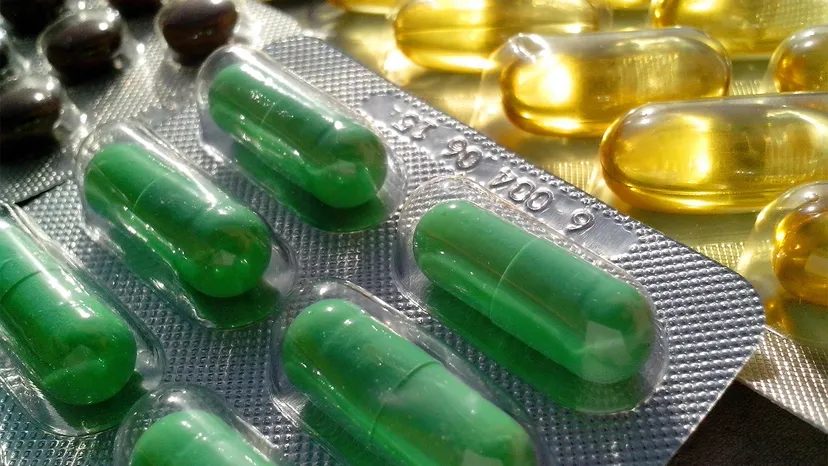
You do not need to visit a health food store to find them anymore. Walk into any standard grocery store. You will see probiotics in capsules, lozenges, gum, facial toner, and yes, even in products for your pets. Traditional sources like yogurt, sauerkraut, and kombucha remain staples, but the delivery systems have expanded wildly.
Someone is making a fortune on these tiny bacterial helpers. But what are they actually doing for us? Are they safe? And do we really need a supplement to get the benefits, or is the hype outpacing the science?
The Reality Check on General Health
If your diet is reasonably healthy and you do not drink alcohol to excess, the evidence suggesting that a probiotic dietary supplement will significantly boost your overall health is thin.
Dr. Chris Irwin, a lecturer in Nutrition & Dietetics at Griffith University in Queensland, Australia, is blunt about the situation. He notes that for the average person, the marginal gain from popping a probiotic pill is negligible compared to lifestyle changes.
“If you’re taking probiotics, you’ll likely need to take them every day and it’s best to feed the healthy bacteria with prebiotics, which feed the bacteria,” Irwin explains.
His conclusion is straightforward. Healthy people are likely to derive far more benefit from regular exercise, avoiding smoking, limiting alcohol, and eating a diet rich in fiber and natural prebiotics—such as vegetables, fruit, and whole grains—than from consuming a probiotic supplement.
Where Probiotics Might Actually Help
This is not to say probiotics are useless. The evidence is stronger for specific conditions rather than general wellness.
While studies have not found significant support for probiotics alleviating eczema, allergies, or dental issues, other research points to different benefits. They may help individuals avoid vaginal yeast infections. There is also some evidence they can assist in preventing upper respiratory infections contracted from a cold virus.
Digestive health remains the primary domain of probiotic efficacy. Studies indicate they can help manage symptoms of irritable bowel syndrome (IBS). They may also improve the frequency and consistency of bowel movements, offering relief for those struggling with digestive irregularities.
Probiotic Bacteria
So, what is inside these capsules that drives the demand? The answer lies in the specific strains of bacteria and yeasts used in these supplements. These live organisms are selected for their ability to colonize the gut temporarily or permanently, interacting with the host’s immune system and digestive tract.

The story of probiotics begins with a hunch. In the early 20th century, Russian scientist Elie Metchnikoff noticed that Bulgarian farmers who drank fermented milk lived longer and healthier lives. He coined the term “probiotics,” which is derived from a Greek word meaning “for life.” Later, the World Health Organization tightened its definition. These are live microorganisms that can actually help the host if there are enough of them.
But not all bacteria are created equal.
The protagonists are strains of the genera Lactobacillus and Bifidobacterium. Other names such as ‘Escherichia’, ‘Enterococcus’ and ‘Saccharomyces’ also occasionally appear, but their status as true probiotics has not been confirmed. Among the two main groups, details are important. Lactobacillus acidophilus works differently than Lactobacillus rhamnosus. To get the real benefits, you have to look beyond the brand and check the strain.
The theory is simple. Antibiotics destroy not only good bacteria but also bad bacteria. Probiotics are believed to fill your tank with good stuff, fight pathogens, and strengthen your gut lining.
Is it effective?
sometimes. the evidence is shaky. The most obvious benefit is digestion. Scientific research consistently supports the use of probiotics in the treatment of antibiotic-induced diarrhea, acute infectious diarrhea (such as traveler’s diarrhea), and irritable bowel syndrome. A meta-analysis of 19 studies found that probiotics reduced the risk of antibiotic-induced diarrhea by 52%. It is also useful in the treatment of rotavirus and ulcerative colitis in children.
They do not help solve all problems. The same 2017 review published in American Family Physician found that it was not effective in treating acute pancreatitis or Crohn’s disease.
To make matters worse, a 2018 study published in the journal Cell asked a different question. In some people, the gut is resistant to probiotic supplementation. The pills just pass through. The researchers are also investigating whether probiotics could help restore the microbiome after antibiotic treatment. They found that while the pill may stop diarrhea, it actually slows down the natural rebuilding of gut bacteria.
Prebiotics: Feeding the Fleet
Probiotics add bacteria. Prebiotics add fuel.
益生元是刺激结肠中现有有益细菌生长的食品成分。 它们天然存在于燕麦、菊苣、香蕉、洋葱和某些类型的蜂蜜中。 早期测试表明它们可以增强免疫系统。
您还可以尝试合生元方法 。 它结合了益生菌和益生元。 这个想法是引入细菌并同时喂养它们。 但就像单独使用益生菌一样,我们需要更多的研究来了解它是否真的比单独使用益生菌效果更好。
Buying Probiotic Foods
買い物をするときは、特定の株を探してください。 一般的なラベルは曖昧なことが多いです。 健康上の利点は特定の細菌によって異なります。 ヨーグルトとケフィアが一般的なソースですが、生きた培養物はブランドや加工方法によって異なります。 発酵後に低温殺菌されているものもありますが、これによりプロバイオティクス細菌が死滅します。 Check the label for “live and active cultures.”
ザワークラウト、キムチ、味噌などの発酵食品にも細菌が含まれています。 ただし、種類は一般的にサプリメントよりも劣ります。 また、市販の発酵食品の中には糖分が多く含まれているものもあります。 成分を読んでください。
誰にとっても適切なプロバイオティクスはありません。 あなたの腸内微生物叢は独特です。 あなたの友人にとってうまくいくことが、あなたにとってもうまくいかない可能性があります。 さらに悪いことに、自然回復が遅れてしまいます。
科学は今も進化しています。 私たちは特定の消化器系の問題を治療するのに十分な知識を持っています。 長期的な免疫強化やメンタルヘルス上の利点についてはほとんどわかっていません。 1錠で全身が治るという誇大宣伝は信じないでください。 証拠に固執してください。慢性的な消化器系の問題がある場合は、医師に相談してください。 自己治療のためにランダムなサプリメントを摂取するのはギャンブルです。
たとえ適切な菌株を、適切な用量で、適切なタイミングで摂取したとしても、あなたの腸はまだ「ノー」と言うかもしれません。

Getting probiotics to actually work inside your body is harder than it looks. These live bacteria need to survive a gauntlet. They face the acid-filled stomach first. If the capsule or food matrix is too weak, the acid kills them. If it is too strong, they never dissolve in the intestines, where they are supposed to do their work. There is another enemy: air and moisture. These can damage the bacteria before you even eat them. This is why probiotic products often have short shelf lives. Creating them requires extreme care.
The dosage problem makes things worse. Scientists are still unsure of the exact number of bacteria needed for health benefits. Since these are live organisms, it is difficult to know how many remain viable by the time you take the pill or eat the yogurt. To find out how many actually make it through the gastrointestinal tract, researchers have to examine fecal matter. This sounds unpleasant, but it is the only way to track the journey. Even then, the data is limited. You can count how many bacteria arrive in the colon, but you cannot tell if they actually performed their intended job.
Labeling Loopholes and FDA Gaps
You likely will not find this clarity on the package. Critics argue that labels often fail to specify which bacteria strains are present or the exact quantity. Some manufacturers may slap a “probiotic” label on a product that lacks enough bacteria to make a difference.
Regulators offer little protection here. The U.S. Food and Drug Administration (FDA) has strict rules for products claiming to cure diseases. It does not have the same restrictions for vague health claims. This is why Activia markets its yogurt as something that “may help reduce the frequency of minor digestive discomfort.” It does not promise a cure. This ambiguity allows consumers to assume probiotics are a necessary addition to their daily diet.
Do Healthy People Need Them?
Is there a benefit for people who are already healthy? The research is thin. There are few studies on how probiotics affect the immune system of someone who is not sick. The effects, when they do occur, are temporary. You have to keep consuming them to maintain any potential benefit. If you are adding another daily step to your routine, consider whether it is worth the effort compared to proven measures like diet and exercise.
There is a financial and health cost to this habit. Nutritionists worry that consumers will add probiotic products to their diet rather than replacing unhealthy foods. This can lead to excess calorie intake without gaining the promised health advantages.
Risks and Side Effects
If you love the taste of probiotic yogurt or are already devoted to your supplements, you might not need to stop. There is no definitive proof of major health benefits for everyone, but there is also little evidence that you are harming your body. The most common side effects are flatulence and abdominal discomfort. These are generally mild.
There is one critical exception where probiotics can be dangerous. A study involving nearly 300 patients with pancreatitis showed alarming results. Patients who received probiotics were more likely to require intensive care and surgery than those given a placebo. The severity of illness was similar before the study began. In the probiotic group, 24 people died. This was more than twice the number of deaths in the placebo group. For people with pancreatitis, or those with compromised immune systems, probiotics may lead to serious infections.
Choosing a Strain and Source
“Not all probiotics are created equal,” says expert Irwin. Different strains have different effects. If you are looking for a supplement, you need to find one with strains that match your specific condition. The dose matters too. Look for Colony Forming Units, or CFU. The amount should be high enough to match the benefits observed in clinical trials. The general advice is to choose products with the greatest diversity of bacterial strains and the highest CFU.
Getting advice from a doctor or dietitian can help you identify the right strains. You should also buy reputable brands that commit to transparency in their scientific research. This is easier said than done. A study published in the September 17, 2018 issue of JAMA Internal Medicine revealed a lack of government oversight in manufacturing facilities. The FDA found that 50 percent of the 650 factories producing probiotic supplements in the U.S. had violations. Most issues involved products not matching what was promised on the label.
The Bottom Line
We need more study to understand how helpful probiotics are for overall health. It is important not to give them more credit than they deserve.
“It’s unlikely probiotic supplements are dangerous, but I don’t think they’re a magic bullet,” Irwin notes. Healthy people are likely to get more benefit from a diet rich in vegetables, fruit, and whole grains. If someone has a poor diet and does not exercise regularly, their digestive bacteria may benefit from supplements. But they will likely need to keep taking them to get lasting effects. The promise of a quick fix via a pill or yogurt may be overblown. The real work often happens at the dinner table, not in the supplement aisle.
接下来看哪里
如果活细菌的机制仍然感觉有点抽象,那么前进的道路通常涉及研究它们与之相互作用的系统。 消化道是主要战场,但免疫系统就在战壕中,监视着穿过肠道屏障的一切。
了解益生菌如何发挥作用 不仅仅是吞下胶囊或吃酸奶。 这是关于了解你体内的生态系统。 营养在这里也发挥着重要作用——具体来说,你喂什么有益细菌和你喂什么细菌一样重要。 例如,抗氧化剂有助于控制通常伴随肠道不适的炎症。
Niche cases: Goji and Beyond
There are also some specific foods on the list. For example, goji berries have been studied for their antioxidant properties and possible benefits for the gut. But don’t expect any superfood to work miracles. There is evidence, but there are subtleties.
Then there are conditions. Irritable bowel syndrome (IBS) is one area where probiotics have consistently shown more promise than others. Home remedies often work first for constipation, but probiotics can also be part of the solution. For those who wonder if multivitamins are really worth paying for, the answer often has to do with gut health. If absorption is reduced due to a weakened microbiome, the pill may pass through the body.
Follow the evidence
The field of research is full. On the other hand, there is the National Center for Complementary and Alternative Medicine, which systematically introduces probiotics as a complementary treatment. The UN Food and Agriculture Organization examines the matter from the point of view of production and global health. Sites like usprobiotics.org collect industry information and can be useful, but require a critical eye.
Academic sources tell a more complicated story. In 2005, Renu Agrawal described probiotics as an “emerging dietary supplement”, indicating their growing importance. But by 2008, Nicholas Bakalar of the New York Times was warning some users about the risks. Not everyone can tolerate them well. The Times’ Peta Bee even questioned whether they were “friendly”, citing instances where they had caused harm.
Jane Brody, writing for the Times in 2004, was more optimistic and focused on ways to get the good bacteria to do the work. Edward Farnsworth of the Journal of Nutrition later investigated the hype in an attempt to find actual evidence to support the health claims. A 2006 newsletter from the National Institutes of Health aimed to clarify these “friendly bacteria,” and Kligler and Cohrssen provided a clinical overview for physicians in the American Family Physician.
The business perspective is hard to ignore. Andrew Martin noted in 2007 that food manufacturers think they have a “bonanza” with live bacteria. Sally Squires reports in the Washington Post that mainstream companies are becoming more aggressive, perhaps because consumer demands are changing. Melanie Warner highlights how companies sell fortified foods to drug-wary people.
But the scientific community remains cautious. Gregor Reid and Jo-Anne Hammond found evidence of effectiveness, but it was not widespread. Mary Ellen Sanders discusses considerations for using probiotics for health regulation. This means that probiotics are not a one-size-fits-all approach. Senok and colleagues debunk myths about clinical microbiology and infectious diseases. MSNBC’s Elisa Zied asked bluntly if probiotics are “more hype than good,” but the question remains.
底线
数据并不是一个整体。 有时候,证据看起来确实可靠。 其他时候,营销看起来像是披着科学的外衣。
对于普通人来说,关键是特异性。 哪种菌株? 哪个剂量? 哪个条件? 消息人士一致认为,背景比产品标签更重要。 如果您正在治疗肠易激综合症,那么几率看起来会更大。 如果您只是寻求整体健康,那么证据就比较薄弱。
阅读细则。 检查菌株名称。 不要以为酸奶桶中的“活菌”与您读到的临床研究的含义相同。 肠道是个人的。 对一个人有用的东西可能对另一个人毫无用处。 或者更糟的是,引起不适。
对话仍在不断发展。 新研究定期下降。 炒作周期来来去去。 但基本前提仍然是:细菌是活的,它们很复杂,而且它们是你的一部分。 对待他们不仅仅是随意的一瞥。