It feels like 2007 broke records for safety failures. The shelves were stripped of Chinese-made goods. Toys. Toothpaste. Dog food. Baby bibs. Tires. Computer batteries. The list goes on. U.S. regulators and companies pulled them all. The reason was often the same. Lead paint.
These weren’t just minor glitches. They were defective. Dangerous. Toxic. The common thread linking millions of items off the market was their origin and their chemistry. They were made in China. And they contained lead.
To understand the scale, look at the timeline. It moves fast.
In July, Mattel pulled “Dora the Explorer” and “Sesame Street” toys. Lead paint was the culprit.
By August 2, Fisher-Price—a Mattel subsidiary—recalled 967,000 plastic toys. Again, lead paint.
Two weeks later, Mattel hit a different record. 19 million toys. 436,000 toy cars had lead paint. 18 million other toys across 63 models had small magnets. Swallowing those magnets kills.
Then came September 21. Three children had died. The Consumer Product Safety Commission recalled one million Simplicity and Graco cribs. These were Chinese-made. The issue here wasn’t bad manufacturing. It was a design flaw.
If lead is so deadly, why use it?
Lead paint is cheap. It shines bright. It applies easily. It resists corrosion. It works.
In the U.S., lead paint was banned in 1962. The ban covers children’s toys. Apartments. Houses. Hospitals. You get the picture. The government still allows it on street signs. And in places where it doesn’t hurt anyone.
The rule is strict. Children’s products with lead content over 0.06 percent face recall. Period.
China faces a different reality. Pollution is widespread. Lead poisoning is a major crisis. At least 10 percent of Chinese children suffer from it. The lead comes from paint. Food. Water. Other sources.
The damage is severe. Kidney failure. Brain damage. Numerous health problems.
So, who is to blame?
The manufacturers in China? Or the companies that design and sell the products in the U.S.?
We need to look closer at the supply chain. The manufacturing process. The oversight.
How Lead Contamination Occurs in Supply Chains
The question isn’t just about China. It’s about global trade. Companies outsource production to cut costs. China offered low labor costs. Large capacity. Skilled labor.
But quality control varies. Some factories follow strict rules. Others cut corners. When a company designs a product overseas, they set the specs. If the specs allow for cheap materials, they get cheap materials. Lead paint fits that bill.
The responsibility lies with the brand owner. They choose the supplier. They approve the design. They set the safety standards. Or they don’t.
In 2007, many brands skipped steps. They assumed the manufacturer would follow U.S. safety laws. That assumption failed.
The lead didn’t appear by accident. It was in the paint. The magnets were too small. The cribs had dangerous gaps. These were design choices or manufacturing errors.
The root cause? Cost savings. Speed to market. Lack of oversight.
When a company pulls a product, they admit failure. But the damage is done. Consumers lose trust. Health risks remain. The cycle repeats until regulations tighten. Or costs rise.
Who pays the price?
The children. The parents. The retailers. The brands. And the manufacturers.
The 2007 recalls were a wake-up call. But were they enough?
We’ll explore the aftermath. The regulatory changes. The lasting impact on global manufacturing.
The Hidden Flaws in Toy Safety Oversight
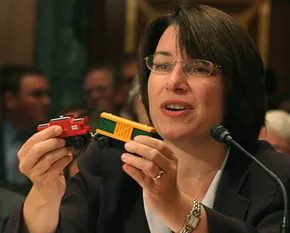
When companies initiate their own recalls, it usually stems from internal research or customer complaints. The Consumer Products Safety Commission (CPSC) holds the power to force recalls and penalize firms that release dangerous items or ignore known hazards. The Mattel recall shocked the public largely because of the brand’s stature. It sent a chilling message to industry analysts: if a giant like Mattel had such glaring issues, what about the countless smaller competitors?
The supply chain is often the weak link. Mattel, like many peers, doesn’t own its factories. It contracts with Chinese firms where labor costs are low. Those firms frequently subcontract to even smaller operations. Mattel’s network alone includes up to 50 Chinese partners, many of whom pass the buck again. This fragmented system, tangled with bureaucratic hurdles, creates an accountability vacuum. Thin profit margins push everyone from the brand owners to the sub-contractors to cut corners wherever possible.
Design Errors vs. Manufacturing Mistakes
While cut corners and toxic materials like lead paint are real dangers, the root cause is often the designer, not the factory floor. A Canadian study from September 2007 revealed a stark reality. Of the product recalls between 1988 and 2007, 95 percent involved goods made in China. However, 76 percent of those recalls were due to design flaws. Only 10 percent were the manufacturer’s fault.
This statistic shifts the blame. Brands are responsible for more than just finding a cheap factory. They must ensure their designs are inherently safe. Working with reputable manufacturers is not enough if the blueprint itself invites danger.
The Voluntary Nature of Safety Testing
Currently, U.S. law does not mandate that toy companies test products before sale. Regulations exist for materials, but pre-market testing remains voluntary. Some companies follow ASTM International standards, which provide guidelines for various product types. Others skip testing entirely to save money.
Why do any companies test then? It’s in their best interest. Recalls are expensive. Bad publicity is worse. Retailers also demand proof of safety. Independent labs check for durability, safety, and quality. These tests help brands avoid the financial wreckage of a recall.
Regulatory Challenges in China
The wave of recalls involving lead paint and toxic dog food sparked calls for stricter Chinese regulations. The Chinese government has begun cracking down on blatant violators. But enforcement is hard. With over a billion people and thousands of manufacturers, oversight is nearly impossible. Small factories can vanish one day and reappear under a new name or location the next.
Strengthening Consumer Protections
In the U.S., advocates and politicians pushed for more funding for the CPSC and stricter import standards. Concerns about understaffing at the agency were widespread. By August 2007, reports indicated the CPSC was collaborating with manufacturers to establish stricter testing guidelines. The landscape is shifting, but the complexity of global supply chains means vigilance remains essential.
For those tracking specific incidents, resources like Recalls.gov and CPSC announcements provide lists of affected items. The goal is transparency. Consumers need to know what enters their homes.
Lots More Information
Related HowStuffWorks Articles
- How Product Recall Notifications Work
- How could metal fragments get into drug caplets?
- What is causing lithium-ion laptop batteries to overheat or explode?
- What do the UL marks on so many products mean?
- How Crash Testing Works
- Child Safety Tips
- How Building a Business Identity Works
More Great Links
- ASTM International
- FirstGov for Consumers: Product Safety
- CPSC Recall Announcements and Product Safety Alerts
- Recalls.gov
- ABC News: China-Made Children’s Jewelry, Toys Recalled
Sources
- “1 Million Chinese-Made Cribs Recalled.” Associated Press. CBS News. Sept. 21, 2007. http://www.cbsnews.com/stories/2007/09/21/health/main3285775.shtml
- Barboza, David. “Problems Go Beyond Lead Paint, Study Says.” New York Times. Sept. 11, 2007. http://www.nytimes.com/2007/09/11/business/worldbusiness/11paint.html
- Beam, Christopher. “How does toy safety testing work?” Slate. June 20, 2007. http://www.slate.com/id/2168765/
- Beam, Christopher. “Why would a toy manufacturer ever use lead paint?” Slate. Aug. 15, 2007. http://www.slate.com/id/217289/
- D’Innocenzio, Anne and Metzler, Natasha T. “Lead Paint Leads to Fisher-Price Toy Recall.” Associated Press. The Washington Post. Aug. 2, 2007. http://www.washingtonpost.com/wp-dyn/content/article/2007/08/01/AR2007080102320.html
- Lancashire, David. “Statistic: 10.45% — One in Ten Children in China Has Lead Poisoning.” Press Interpreter. March 19, 2005. http://www.pressinterpreter.org/node/15
- Lipton, Eric. “Safety Agency Faces Scrutiny Amid Changes.” New York Times. Sept. 2, 2007. http://www.nytimes.com/2007/09/02/business/02consumer.html
- Story, Louise and Barboza, David. “Mattel Recalls 19 Million Toys Sent From China.” New York Times. Aug. 15, 2007. http://www.nytimes.com/2007/08/15/business/worldbusiness/15imports.html
- Tsai, Michelle. “Why do we need to import wheat gluten from China?” Slate. April 20, 2007. http://www.slate.com/id/216335/