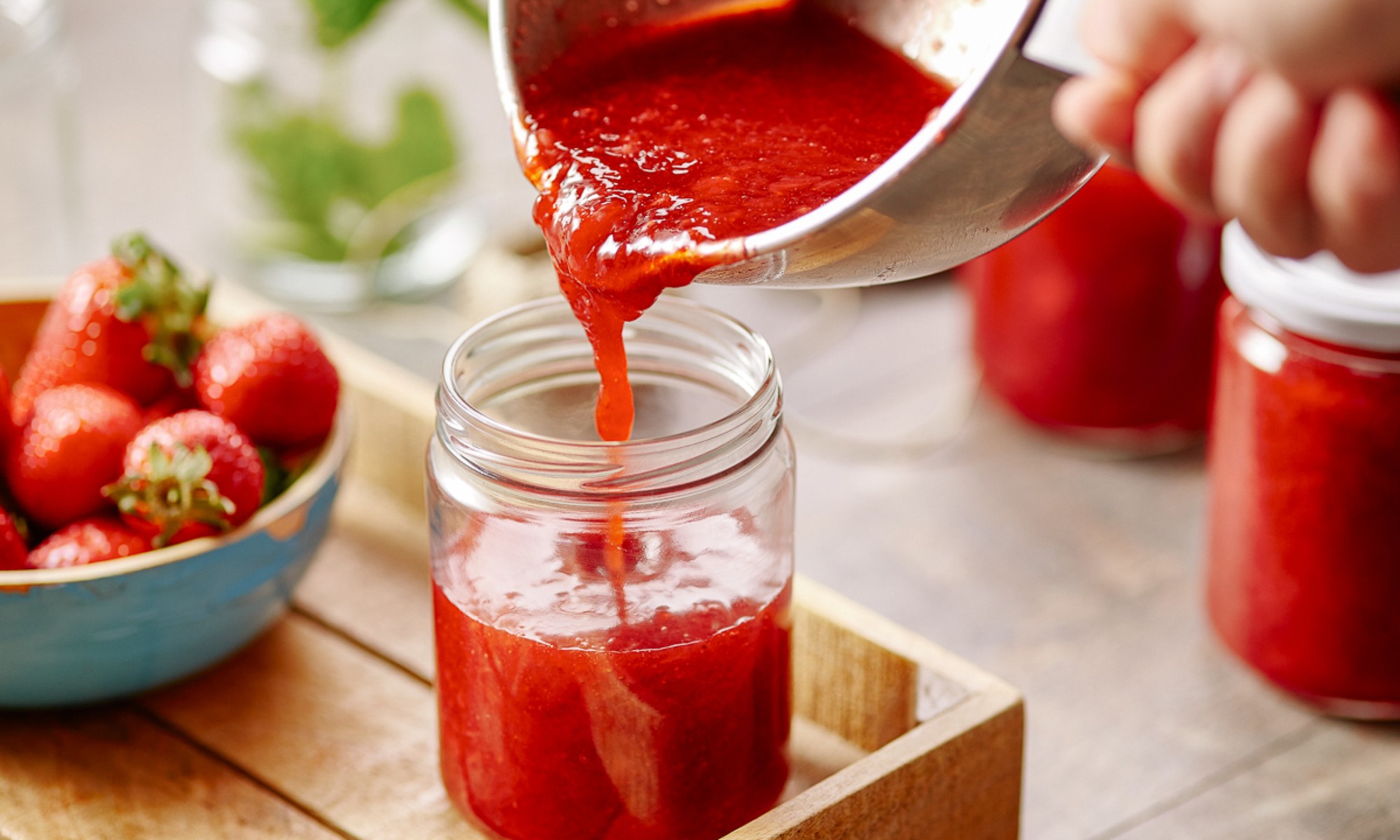
For many, a spoonful of fruit jam on morning toast feels like a healthy choice. However, nutrition experts warn that this perception can be misleading. Most commercial jams are heavily processed, acting more like sugar preserves than actual fruit.
By understanding what goes into store-bought jars and learning simple DIY methods, you can transform a sugary condiment into a nutrient-dense staple.
The Hidden Reality of Store-Bought Jams
The primary issue with mass-produced jams is excessive sugar content. Nutrition consultants note that popular brands can contain upwards of three teaspoons of sugar per single tablespoon. When paired with other carbohydrates—like bread or pastries—the total sugar intake can quickly rival that of a soft drink.
Beyond just the amount of sugar, there are several structural problems with commercial products:
– Low Fruit Density: Many jellies contain very little real fruit, relying instead on refined sugars, artificial colors, and synthetic flavors to mimic the fruit experience.
– The “Natural” Misnomer: Labels claiming a product is “natural” do not guarantee it is low in sugar; many still rely heavily on high-fructose corn syrup.
– Artificial Sweeteners: While used to reduce calories, these can alter your palate, making naturally sweet whole foods seem less satisfying.
Pro Tip for Label Reading: To quickly visualize sugar content, divide the total grams of sugar on the label by four. This gives you the approximate number of teaspoons of sugar in that serving.
The Benefits of Going DIY
Making your own jam allows you to reclaim control over your nutrition. When you prepare preserves at home, you can:
– Select Quality Ingredients: Use organic or biodynamic fruits.
– Control Sweetness: Choose nutrient-dense sweeteners like maple syrup, coconut sugar, or honey, or skip added sugar entirely.
– Maximize Nutrition: Leave skins on for extra fiber and avoid high-heat processing to preserve antioxidants.
10 Fruits to Elevate Your Jam
If you are new to jam-making, starting with high-pectin fruits is wise, as they thicken naturally during the cooking process.
| Fruit | Best Characteristics | Peak Season (US) |
|---|---|---|
| Strawberries | Low glycemic index; nutrient-dense. | January – November |
| Blackberries | Naturally high in pectin. | June (South) – July (North) |
| Raspberries | Great texture and flavor. | Mid to late summer |
| Cherries | Deep, rich flavor profiles. | May – August |
| Blueberries | Versatile and sweet. | May – September |
| Cranberries | High pectin; very firm. | Mid-Sept – early Nov |
| Plums | Excellent natural thickener. | May – October |
| Oranges | Adds brightness and acidity. | November – January |
| Currants | Soft and juicy. | Late summer |
| Peaches | Sweet and fragrant. | May – September |
Three Ways to Make Healthy “Jam”
Depending on your dietary goals and time constraints, you can choose between traditional cooking, quick thickening, or raw preservation.
1. The Quick Chia Method (Low-Heat)
For a jam that retains maximum nutrients, use chia seeds as a natural thickener instead of heavy sugar or pectin.
* Recipe: Blend 2 cups of strawberries, 2 tbsp of chia seeds, and 2 tbsp of honey until chunky. Simmer on medium heat for 10–15 minutes until thickened.
* Why it works: The chia seeds absorb liquid and create a gel-like texture without needing massive amounts of sugar.
2. The Raw “No-Cook” Method
To preserve the highest level of antioxidants, avoid the stove entirely.
* Method: Blend thawed berries with chia seeds and a squeeze of fresh lemon juice. Let it sit overnight in the fridge.
* Why it works: The lemon juice acts as a natural preservative, while the chia seeds expand in the fruit juice to create a spreadable consistency.
3. The Simple Fruit Reduction
If you prefer a more traditional flavor, use minimal sweeteners.
* Method: Heat berries (blueberries, raspberries, or blackberries) over low heat with a small amount of pure maple syrup or honey and a dash of vanilla. Reduce until it reaches your desired thickness.
Conclusion
Switching from store-bought preserves to homemade versions allows you to reduce refined sugar intake and increase fiber and micronutrient consumption. Whether through cooked preserves or quick chia-based spreads, customizing your fruit toppings is a simple way to support long-term metabolic health.