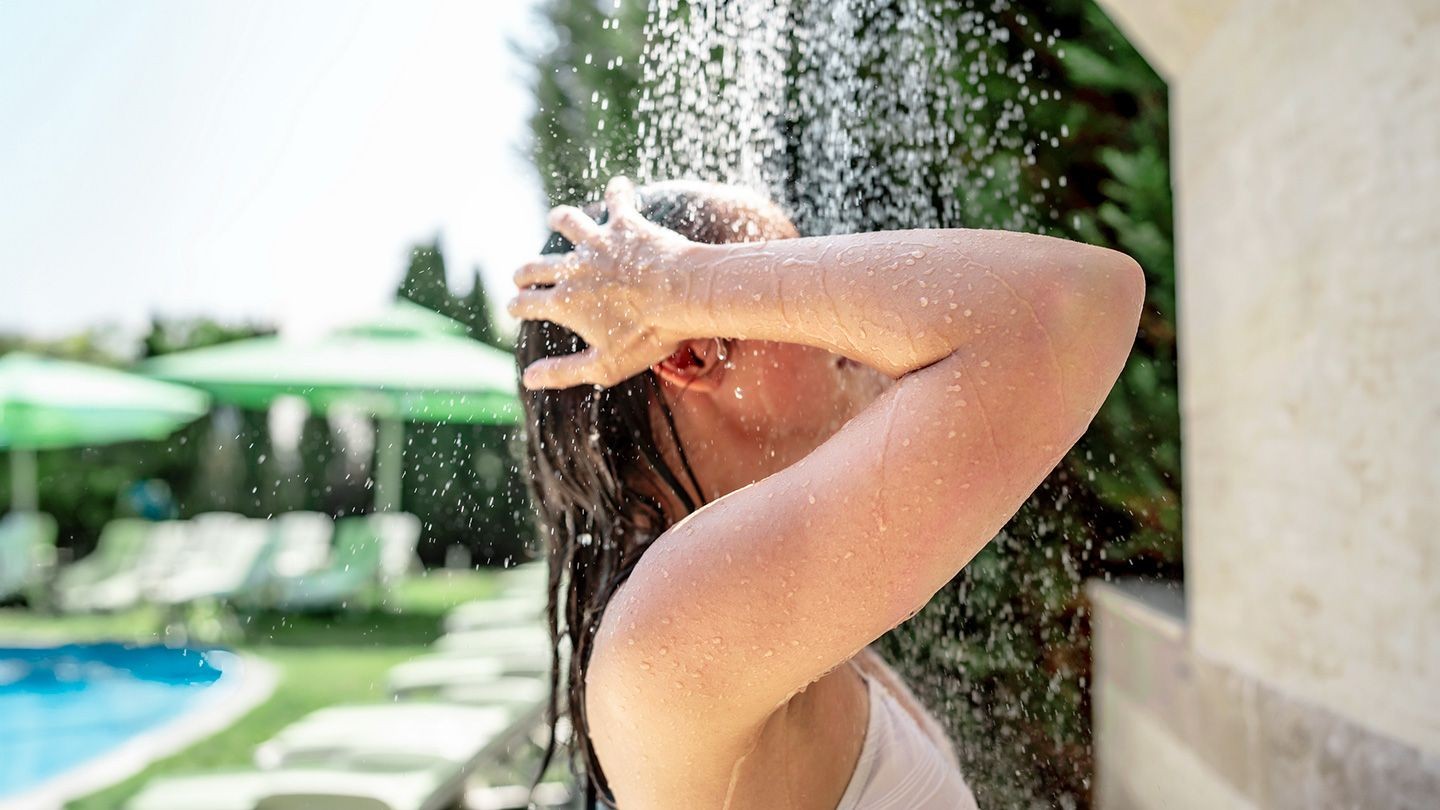
Water and atopic dermatitis are not enemies. Not naturally, anyway. It’s just that pool water is a cocktail of chemicals, temperature swings, and physical friction. Your skin? It’s sensitive to all of it.
You might think staying out is safer. The truth is more complicated. Swimming can actually help rinse off sweat, which triggers flares for many people. Chlorinated water kills microbes. It acts like a gentle bleach bath. So why the hesitation?
“It’s not about the chlorine per se,” says Julie Van Onselen of Eczema UK. “It’s more about the mix… and the pH of water.”
Here’s what’s actually happening under your skin.
Why The Pool Is A Trigger
Atopic dermatitis (AD) means your skin barrier is compromised. Think of a wall with holes in it. Moisture escapes. Irritants sneak in.
Pool water exploits those holes.
It isn’t just the chlorine. It’s the disinfectants. The pH level. If the water is too alkaline—above 7.0—it dries you out. People with contact dermatitis react directly to the chemicals. Then there is hard water. High levels of calcium and magnesium leave minerals on your skin, further damaging that barrier over time. Renata Block, a PA at Rush University, warns that this combination ramps up hypersensitivity.
Temperature is its own enemy. Too hot. Too cold. Both hurt. That is why hot tubs are basically a minefield for eczema. The heat alone triggers inflammation. Add chlorine to that heat? It is a recipe for disaster.
But swimmers shouldn’t banish themselves entirely. Research shows exercise in the water can be beneficial if handled correctly.
Before You Jump In
Protection starts on dry land.
- Slather up. Apply a heavy emollient or ointment before you hit the pool. Block calls it necessary. Just don’t coat your hands and feet like mitts. You need grip to avoid slipping. Also, if you are going outside, sunscreen won’t stick to ointment. Plan accordingly.
- Pick the right SPF. Sunscreen is non-negotiable for outdoor swims. Choose mineral blockers with zinc oxide or titanium dioxide. SPF 30 at least. Fragrance-free. Hypoallergenic.
- Watch the clock. Timing matters. For indoor pools, moisturize 30 to 60 minutes beforehand. For outdoors? Moisturize first. Wait 30 minutes. Then apply sunscreen. Don’t skip the reapplication. Every two hours. After every swim. Even if the bottle says “water-resistant.”
In The Water
Keep it brief.
New pools require a cautious approach. Start short. A review of swimming and AD suggests that two hours in the pool increases transepidermal water loss significantly. Your barrier is breaking down faster.
Pay attention. Redness? Itching? Tightness? That is your skin screaming. Get out. As Dr. Joseph Lam suggests, exit immediately if you feel stinging or irritation. Rinse off later.
Clothes matter more than you think.
Spandex and polyester itch. Cotton, hemp, or bamboo are friendlier to sensitive skin. Fit is crucial, too. Tight suits create friction. Friction creates flare-ups. Long sleeves and legs help block the sun and protect raw patches, especially on kids.
And please. If you are currently flaring badly? Skip the pool. Infected skin in chlorinated water is a terrible idea. Wait until the inflammation calms down.
After You Get Out
The water fight is half lost if you don’t rinse properly.
Block calls it the “rinse and repair” method.
- Rinse with fresh, lukewarm water immediately. Strip away the chlorine and salt.
- Pat dry. Do not rub. Rubbing hurts.
- Moisturize again. Lock that hydration back in before it evaporates.
What if it still hurts?
Flares can appear up to 48 later. Track it. Use an app like EczemaWise to log symptoms and timing. If swimming always makes you miserable, the pool’s chemical balance might be wrong. Try a different venue.
But don’t guess. If symptoms worsen or feel different than usual, call a dermatologist. Don’t wait. Early intervention keeps things under control.
“Chlorine, pH, hard water… people with AD can swim safely with careful preparation.”
It’s possible. Just be smarter than the water.