Diet doesn’t cure IBD. No doctor will claim otherwise.
But it helps.
Managing inflammatory bowel disease is less about a magic bullet and more about stacking odds in your favor. Meds are non-negotiable. Sleep matters. Stress is real. So is what goes in your mouth.
“Paying attention to what you eat is just just as important as other lifestyle factors,” says Ashkan Farhadi MD at MemorialCare Orange Coast Medical. He adds that having a plan mitigates symptoms. “Guidelines help.”
Enter the IBD-AID.
Short for Inflammatory Bowel Disease anti-inflammatory diet. It comes out of UMass Chan Medical School. The goal isn’t vague wellness. It is specific. Restore the bacterial balance in your gut. Kill the bad stuff. Feed the good.
Adiana Castro, a dietitian in NYC, breaks down the principles. They aren’t complicated but they are strict.
- Cut monosaccharides and disaccharides. That’s simple sugar talk. Glucose. Fructose. Sucrose. Lactose. All bad here.
- Boost probiotics. Good bacteria.
- Load up on prebiotics. Indigestible fibers that feed those probiotics.
- Prioritize monounsaturated and polyuns fats. These fats promote diverse gut flora.
- Avoid the inflammation starters. Sodium. Sugars. Red meat. Processed garbage. Alcohol. Additives.
- Ban wheat. Ban corn. Ban refined sugar.
- Adjust based on phase. Your gut is different on day one vs day hundred.
Castro notes this differs from the Mediterranean diet. Med diet is general. It lacks phases. It ignores the lactose/sugar ban. IBD-AID is sharper. It overlaps with the Specific Carbohydrate Diet (SCD). But SCD is restrictive. It forbids most grains. It doesn’t handle food textures or phases.
IBD-AID lets you eat steel-cut oats. Why? Soluble fiber. Prebiotics. Support.
The Three Phases
Here is where the rubber meets the road.
IBD is not static. You don’t eat the same thing during a flare as you do in remission. Castro emphasizes three distinct stages. Each demands different food. Different textures. Different strategies.
Phase 1: The Acute Flare
Pain is high. Digestion is broken.
Dr Farhadi says go soft. Low fiber. If it looks rough, it hurts. Nuts are enemies here. Skins. Seeds. They shred your insides when you are already on fire.
Think pureed. Think slow-cooked.
- Smoothies.
- Oatmeal.
- Pureed veg.
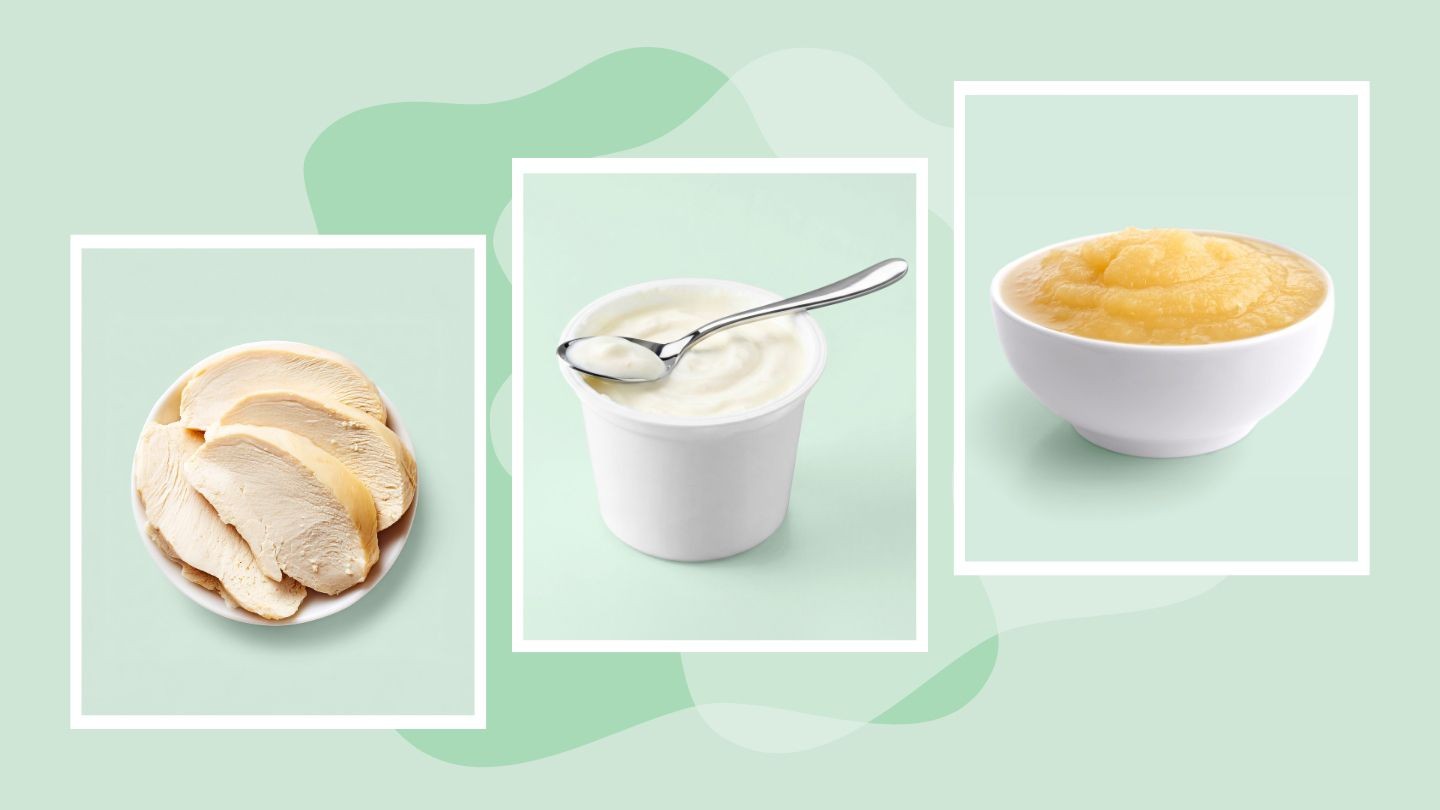
- Yogurt.
- Eggs. Fish. Poultry. Cooked until it falls apart.
- Applesauce.
- Bananas. Ripe.
“Textures are really important,” Castro says. She suggests mashing or blending everything. Break the fiber down before you eat it. Save your digestive system the work. Make nutrients accessible.
Phase 2: The Transition
The flare settles. Urgency drops. Pain eases.
You can introduce fiber now. But proceed with caution. You might still struggle with high-fiber loads.
Add soft greens. Collards. Butter lettuce. Baby spinach. Remove the stems. Keep it gentle.
- Lean meats. Still well-cooked.
- Nut butters. Smooth.
- Baked goods. Use bean or nut flour.
- Aged cheese.
- Tomatoes.
- Pureed berries. Strain the seeds.
Drink water. Lots of it. As fiber intake rises so should probiotics. Help digestion catch up to what you are eating.
Phase 3: Maintenance (Remission)
Stabilization. This is the dream state.
You can eat widely now. But stay vigilant. “Pay attention to how they affect you,” Farhadi warns. Just because you can eat something doesn’t mean it helps.
- Stir-fried veg.
- Shellfish.
- Whole beans.
- Citrus.
- Fermented foods.
The goal? Diversity. A wide variety of whole foods builds a resilient microbiome. Castro pushes fermented items hard here. Yogurt. Kefir. Kimchi. Raw sauerkraut. Tempeh. Miso.
These are phase one and two villains. In phase three they become allies. Probiotic powerhouses.
Starting the Protocol
Where are you now?
That is the first question.
Castro says if you are bleeding or flaring you start in Phase 1. Soft. Low-residue. No tricks. If you have mild symptoms you are in Phase 2. Watch textures.
If you feel normal. Bowels are regular. You are in Phase 3. Remission.
Start slow. Add probiotic and prebiotic fibers throughout the day. Don’t dump them all at once.
Remove the triggers first. Ultra-processed foods. Excess sugar. Fried food. Trans fats. Emulsifiers.
Get a dietitian. Castro recommends aiming for 80% compliance. Perfection is impossible. Consistency is king.
“Working with a registered dietitian… is super helpful.”
Remember this. The IBD-AID diet does not replace meds. It complements them. Farhadi is clear on that point. It provides structure. It offers an anti-inflammatory boost to your treatment plan.
Is it easy? Probably not.
Does it work? The data suggests it might help you manage the unmanageable.