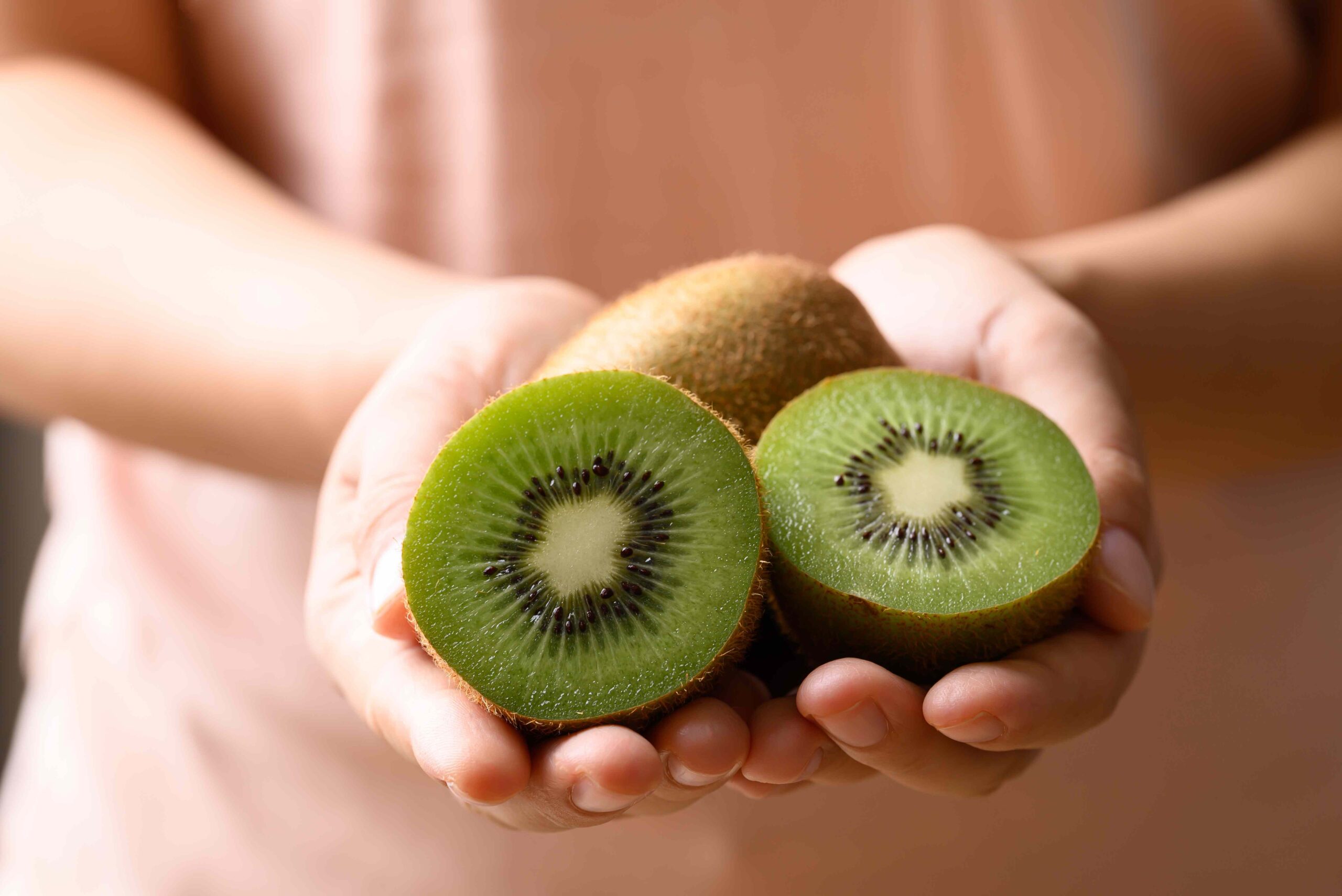
You peel it. You toss the brown, fuzzy scrap. Then you eat the bright green flesh like everything is normal.
Stop.
You are throwing away some of the best nutrients in the fruit. The skin isn’t just packaging. It is packed with fiber, antioxidants, and minerals that vanish if you discard it. Eating kiwi with skin on might just be the easiest health hack you ignore daily.
The nutrient density in the skin
Kiwis are already good for you. The skin makes them better. It holds extra vitamin C and vitamin E. These aren’t just buzzwords. They are antioxidants. They protect your cells from damage. More skin means more of these immune-boosting compounds.
Then there is iron.
Most plant-based iron is non-heme iron. It’s hard for your body to absorb on its own. Vitamin C fixes that. The kiwi skin has both. Eat two kiwis with skin alongside an iron-fortified cereal. A 2018 study showed this combo boosted iron levels significantly in people with anemia. Sixteen weeks later, their iron was in the normal range. No supplements needed.
How kiwi skin impacts blood pressure and cholesterol
High blood pressure loves sodium. It hates potassium.
Kiwis have potassium. The skin has it too. Magnesium is there as well. Magnesium relaxes blood vessels. Better flow means lower pressure.
Cholesterol hates soluble fiber. The skin is full of it. This fiber dissolves in water. It slows down digestion. This keeps cholesterol levels in check. It helps stabilize blood sugar too. Your gut likes it. A healthy gut supports your immune system. You might get sick less often. Or recover faster if you do.
Digestion benefits beyond simple fiber
Think about your bowels. Regularity matters. The extra fiber in the skin adds bulk. It helps things move along smoothly.
Gold kiwis with skin can increase your fiber intake by 50 percent. That is a lot of help for one small fruit.
When that fiber hits your colon, bacteria break it down. They make short-chain fatty acids. These acids protect your colon. Some research suggests this lowers the risk of colorectal cancer. It is a long game, but the skin helps play it.
Taste, texture, and which kiwi to choose
Here is the catch.
Regular green kiwis are fuzzy. The skin tastes earthy. Sometimes bitter. If you have never tried it, it might feel weird. Like eating a tiny, weird potato.
Switch varieties.
Try gold kiwis. They are sweeter. The skin is thinner. Or look for hardy kiwis (also called kiwiberries). They look like large grapes. No fuzz. The skin is smooth and easy to eat.
Who should avoid the skin
Not everyone can eat the skin. Some people get a mouth burn. Why? Acidity.
If you have GERD or a sensitive tongue, the acid stings. It causes a tingling sensation. Some call it “kiwi burn.”
Allergies are real here. Kiwi shares proteins with latex and pollen. If you have a latex allergy, avoid it completely. Reactions can be severe. Oral allergy syndrome causes itching in the mouth. The skin concentrates these proteins.
Kidney stone sufferers should watch out. Kiwi skin has calcium oxalate crystals. These can irritate tissues and potentially worsen stones.
There is also an enzyme called actinidin. It breaks down proteins. It eats away at your tongue slightly. It creates that tingle. It is usually harmless but intense for some.
How to make it palatable
Wash it first. Always.
If the fuzz bothers you, rub it gently with a paper towel. It removes some texture without losing nutrients.
Chill the fruit. Cold temperatures mute the bitterness.
Slice it thin. Thinner slices mean less texture shock. Mix them into yogurt. Add them to a salad. The acid cuts through heavy fats.
Or just eat it like an apple. Crunch aside.
The next time you peel a kiwi, look at that skin. Think about the fiber. Think about the potassium. Think about the iron boost.
Then decide.
Do you really want to throw it in the trash?