Brown rice from the southeastern US is loaded with heavy metals. Arsenic specifically. If you love it brown, you need to look closer at where it grew.
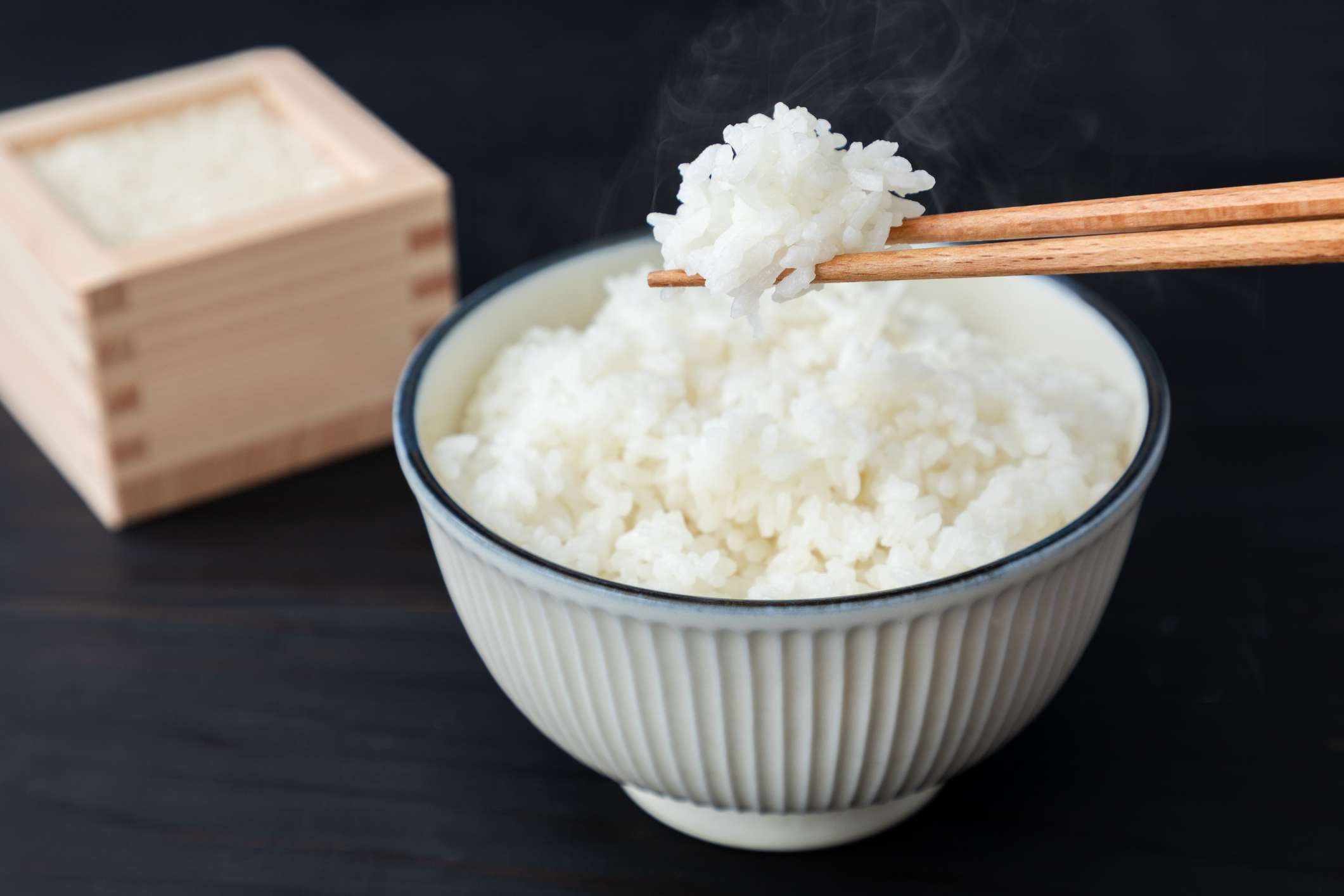
Rice isn’t just rice. It’s a sponge for what’s in the soil. And arsenic? It’s everywhere in dirt. The plant absorbs it naturally. You can’t avoid it completely. All rice has it. Some varieties hold it like a vice. Brown rice does. Arborio does too. Nearly as bad as brown.
Then there is pre-cooked rice. The 5-minute instant kind. Skip it. It often holds packaging chemicals and a more toxic form of arsenic. Why risk the convenience for a worse chemical load?
California rice is different. So is Indian basmati. They carry about 30% less arsenic. Thai jasmine sits in that safer zone too. Even white rice from California is better than its southeastern counterparts. The location matters as much as the variety.
Rice grown in California, Thai jasmine, and Indian basmati have about 30% lower levels compared to others.
—Jane Houlihan
Black and red rice are wild cards. Research is messy. Sometimes they are low in arsenic. Sometimes not. Depends entirely on where they came from. No guarantees.
So what do you eat? You rotate. Quinoa is great. Barley. Farro. Millet. Bulgar. Amaranth. They break the monotony and the exposure. If you must cook rice, use the pasta method. Boil it in a ton of water. Six cups to ten. One cup of dry rice. Let it bubble away. Drain the liquid. This drops inorganic arsenic by 60%. It flushes it out.
Rinsing? Don’t bother. It barely helps. Soaking for 30 minutes? Or overnight? Better. But cooking in excess water is still the winner for reducing the toxic stuff. You will lose some nutrients that way. B vitamins float away. That’s the trade-off.
Vary your grains to balance out nutrient loss and exposure.
—Melissa Prest
Experts Jamie Mok, Jane Houlihan, and Melissa Prest say the same thing: diversity is the shield. Don’t make rice a daily staple. Treat it as a guest at the table.
No rice is pure. That’s not going to change. We can choose better origins. We can change how we cook. Or we can just eat quinoa today. The soil doesn’t care. We should.
The choice sits on the shelf. In the bag. In the water. You pick what matters to you. And maybe worry less about perfection and more about patterns. Less arsenic over time. That is the actual win. Not zero risk. Lower risk.