In our modern, sedentary lifestyle, hip discomfort has become a nearly universal complaint. Whether it manifests as a dull ache or a sharp restriction in movement, tight hips can significantly impact your daily quality of life.
Why Your Hips Feel Tight
The primary culprit behind hip stiffness is prolonged sitting. When we sit for hours at a time, the muscles surrounding the hip joint—including the hip flexors, glutes, hamstrings, quadriceps, and adductors—remain in a shortened position. Over time, these muscles can become chronically tight and lose their natural elasticity.
This issue is rarely isolated to the hips alone. Because the hip joint serves as a central pivot point for the body, tightness here often creates a “domino effect,” leading to secondary pain in the lower back and knees.
The Benefits of a Consistent Routine
Addressing hip tightness requires more than just occasional stretching; it requires a holistic approach that targets all the muscle groups surrounding the joint. By incorporating regular movement, you can:
– Restore muscle length: Helping muscles return to their natural state.
– Increase range of motion: Improving how freely you can move your legs.
– Reduce pain: Studies have shown that consistent stretching programs can significantly alleviate lower back pain and improve hip mobility.
🧘 How to Perform the Routine
To get the most out of these exercises, follow these professional recommendations from physical therapists Leada Malek, DPT, CSCS, and Winnie Yu, DPT, CSCS:
Preparation & Safety
- Warm Up First: Spend 4–5 minutes walking or using a stationary bike to increase blood flow. Warmer muscles are more pliable and less prone to injury.
- Frequency: Aim for 3 to 5 sessions per week. Consistency is key; results may take weeks or months to become fully apparent.
- Duration: Hold each stretch for 30 to 60 seconds per side.
- Precaution: If you have a recent injury, recent surgery, or chronic pain, consult a healthcare provider before beginning this routine.
The 6 Essential Stretches
- Standing Chair Hip Flexor Stretch
Stand facing a chair and place one foot on the seat. Keeping your chest upright, shift your weight forward by bending the knee of the planted leg until you feel a stretch in the front of the hip of the leg on the floor. - Seated Hamstring Stretch
Sit at the edge of a chair with feet flat. Straighten one leg (keeping a slight bend in the knee) and hinge forward at the hips without rounding your back. Reach toward your toes until you feel a stretch in the back of the leg. - Standing Quad Stretch
While standing (use a wall for balance if needed), reach behind you to grab your ankle. Gently pull your heel toward your glute, keeping your thighs close together, until you feel a stretch in the front of the thigh. - Child’s Pose
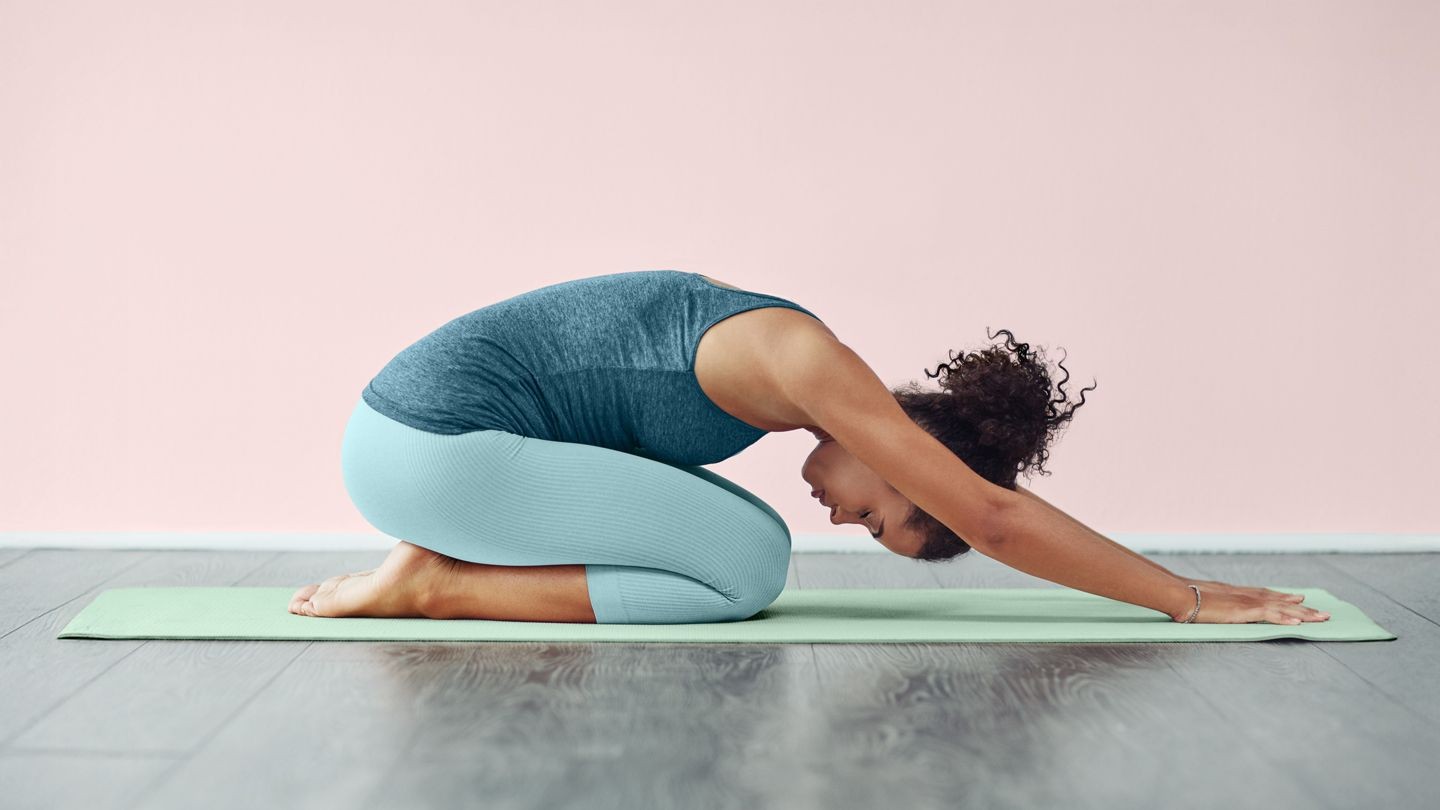
Kneel on the floor and sit back on your heels. Lean forward, resting your torso on your thighs or elbows. To target the glutes and hip flexors more deeply, you can place a cushion under your hips for support. - Frogger Stretch
Kneel on your elbows and knees, then slide your knees out wide to the sides. You should feel a gentle stretch along the inner thighs. If this is too intense, you can support yourself with straight arms instead of your elbows. - Pigeon Pose
(Note: This is a standard companion to the movements described to ensure full glute engagement).
Key Insight: Effective hip mobility isn’t just about the hip joint itself; it requires addressing the muscles above and below it to ensure the entire kinetic chain functions smoothly.
Summary
Tight hips are often a direct consequence of a sedentary lifestyle, but they can be managed through a dedicated stretching routine. By targeting the flexors, glutes, and surrounding leg muscles 3–5 times a week, you can improve your range of motion and reduce compensatory pain in your back and knees.