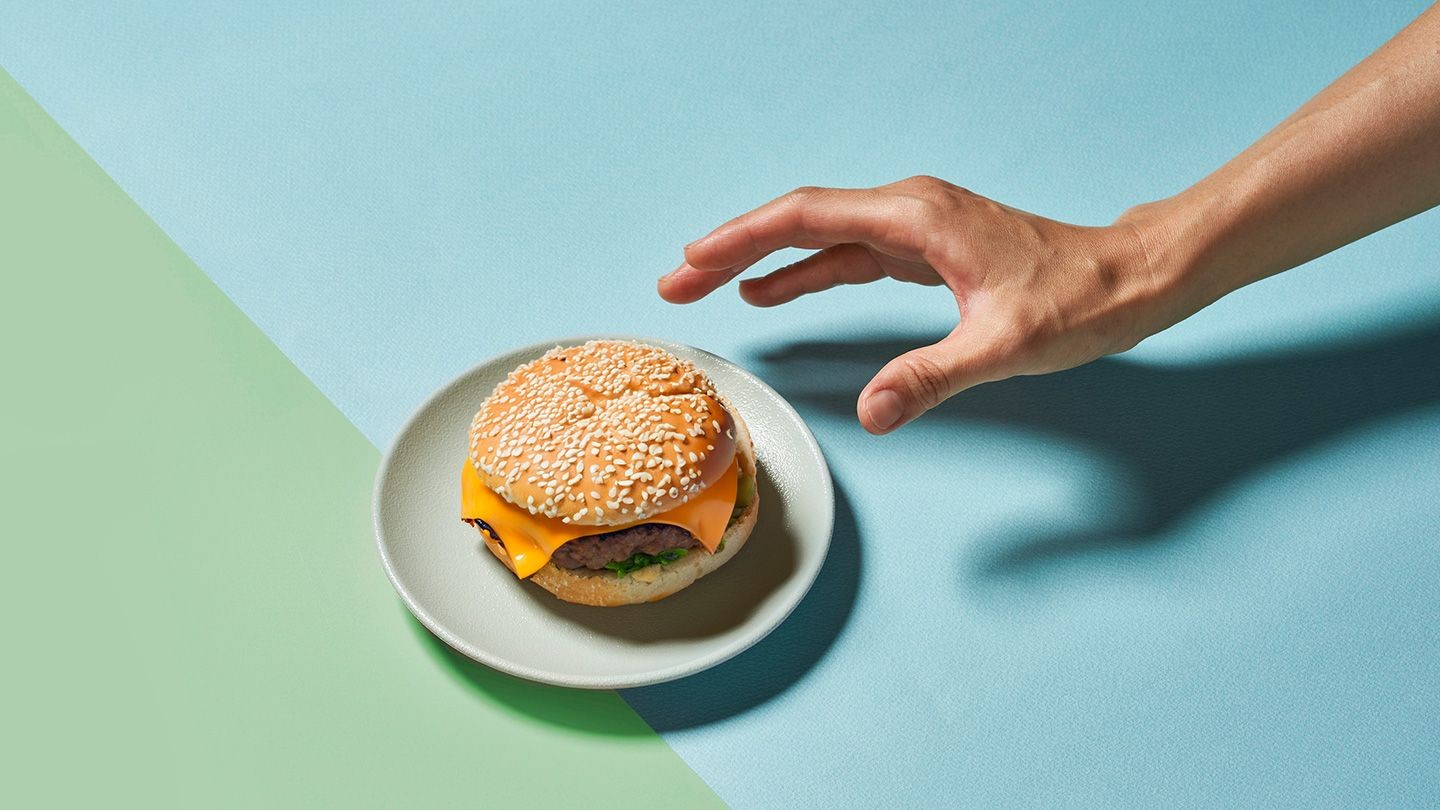
While “emotional eating” is not a formal clinical diagnosis, it is a widely recognized term used to describe the habit of using food to cope with emotions—often leading to overeating.
It is important to distinguish between occasional comfort eating and a problematic pattern. Eating to celebrate a milestone or enjoy a social gathering is a normal part of the human experience. However, when food becomes a primary tool for managing stress, anxiety, or sadness, it can signal the beginning of a disordered relationship with food.
🚩 5 Warning Signs of Problematic Emotional Eating
Recognizing the difference between physical hunger and emotional impulses is the first step toward reclaiming control. Here are the key indicators that your eating habits may be tied to your emotional state:
1. Sudden, Urgent Cravings
Physical hunger typically develops gradually and is felt in the stomach. In contrast, emotional hunger often arrives suddenly and feels urgent. You may find yourself intensely craving specific, high-fat, or high-sugar foods that you feel you must consume immediately to soothe a mood.
2. Mindless or “Zoned-Out” Eating
Stress eating often manifests as a lack of presence. If you find yourself consuming large quantities of food—such as a bag of snacks—without actually tasting or savoring them, you are likely eating to seek relief rather than nourishment. This “mindless” consumption often happens when you are distracted by negative news or interpersonal conflict.
3. Eating Without Physical Hunger
While eating a slice of cake at a coworker’s birthday is a social norm, problematic emotional eating often happens in isolation or secrecy. If you find yourself eating when you aren’t hungry, and doing so in a way that causes you distress or feels hidden, it may be a sign of an underlying issue.
4. Relying on Food as Your Only Coping Mechanism
Occasional “pick-me-ups” are normal. However, a red flag emerges when food becomes your default response to any unpleasant situation. If you feel the need to have “emergency” snacks (like chocolate or chips) constantly stocked in your car, bag, or bedside table to handle unexpected stress, your reliance on food as a stabilizer may be becoming disruptive.
5. Persistent Feelings of Guilt or Shame
Food serves many roles: it provides fuel, celebrates culture, and connects us to memories. If your relationship with food is healthy, eating should be a neutral or positive experience. If eating in response to emotions consistently leaves you feeling weak, ashamed, or guilty, it indicates a negative psychological connection to your eating habits.
🛠 Strategies for Management and Recovery
If you recognize these patterns, it is possible to break the cycle. The goal is not to eliminate the joy of food, but to expand your “emotional toolkit” so that food isn’t your only way to cope.
Develop Self-Awareness
The most effective way to interrupt a cycle is to recognize it in real-time.
– Ask yourself: “Am I physically hungry, or am I trying to soothe an emotion?”
– Keep a Journal: Tracking what you eat alongside the emotions you feel before and after can help you identify specific triggers and patterns.
Diversify Your Coping Skills
When stress or anxiety hits, try to introduce alternative “distractions” that do not involve food. These might include:
– Physical movement (a walk or exercise)
– Sensory shifts (taking a warm shower)
– Social connection (calling a friend)
– Mindfulness (meditation or deep breathing)
Seek Professional Guidance
If emotional eating begins to interfere with your daily life or causes significant mental distress, professional help is vital.
– Registered Dietitians (RDNs): Can help rebuild a healthy relationship with food.
– Therapists: Can help address the underlying emotional triggers.
– Primary Care Doctors: Can provide referrals to specialists in disordered eating.
Note on Societal Pressure: It is worth noting that modern marketing and social media often exacerbate these issues by labeling foods as “guilt-free” or “sinful,” which can subconsciously fuel the cycle of shame and emotional eating.
Conclusion
Emotional eating becomes a problem when it shifts from an occasional comfort to a compulsive, secretive, or guilt-inducing habit. By practicing mindfulness and expanding your coping strategies, you can move toward a more balanced and intentional relationship with food.