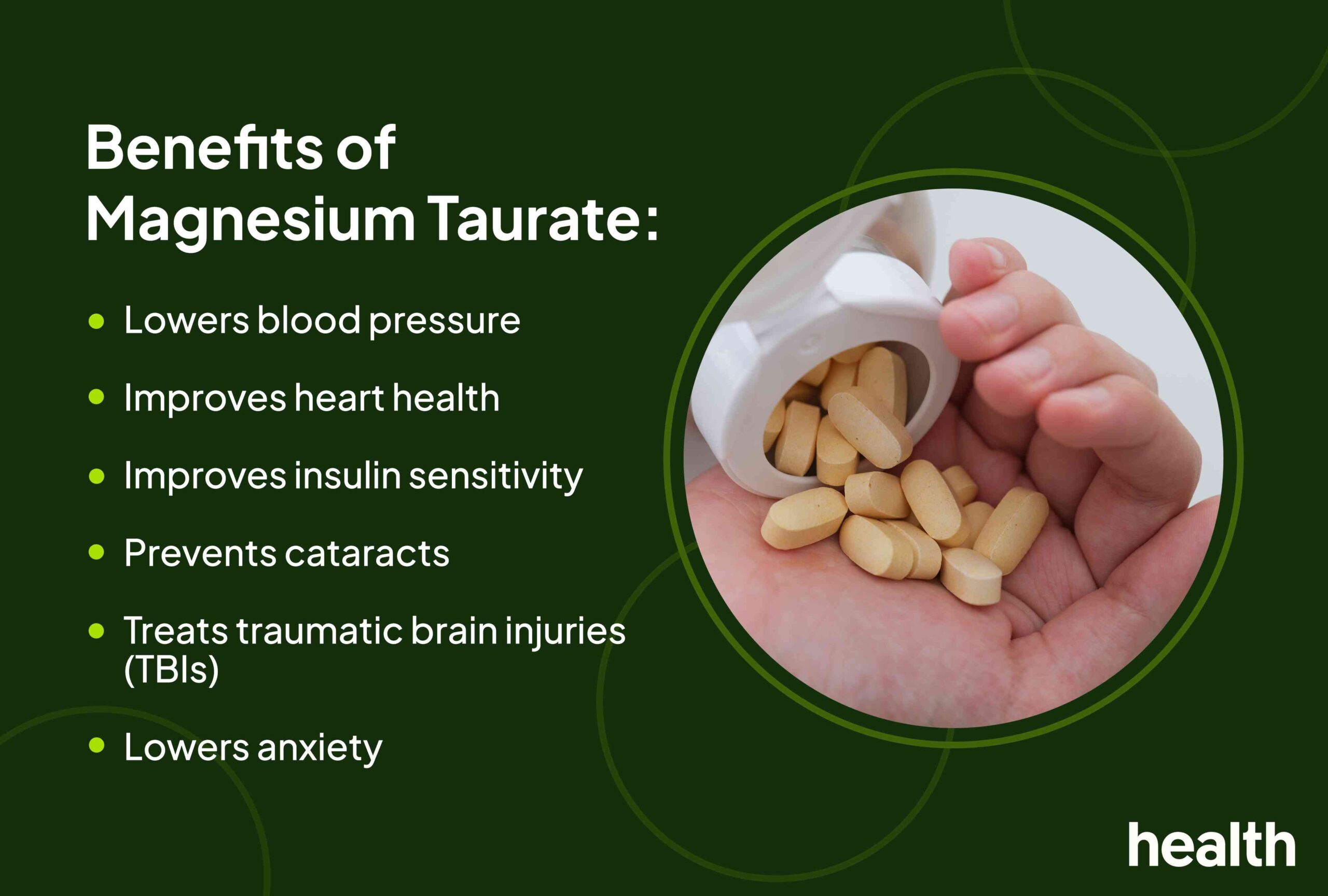
Most people think of magnesium as a laxative in disguise. It’s a fair assessment, mostly because other forms tend to wreck your afternoon. Magnesium taurate doesn’t usually do that.
It’s a compound of magnesium and the amino acid taurin. Highly bioavailable. Absorbed well by the body, leaving the gut mostly alone. That means fewer side effects for people with hypertension or those just tired of running to the bathroom.
It’s not a miracle cure. But the science suggests it might be one of the better ways to support heart health, stress relief, and sleep.
The Blood Pressure Drop
High blood pressure is stubborn. Magnesium is known to help control it.
Some patients switch to taurate because their bodies handle it better than pure magnesium salts. A 2019 animal trial showed a significant drop in blood pressure for hypertensive rats given the compound.
It’s promising. Human data? We need more of that.
The body absorbs magnesium taurate easily, causing fewer gastrointestinal issues.
Heart Health, Sort of
Here is the core argument: taurine is an antioxidant. Magnesium supports electrical impulses in the heart.
Combine them, and you might get some protection against:
– Arrhythmias
– High cholesterol
– Damage post-heart attack
– Stroke recovery issues
The theory is solid. Cell damage decreases. But don’t take it as a substitute for prescribed heart meds yet.
The Anxiety Angle
Stress isn’t just mental. It’s chemical.
Magnesium supplements are popular for relaxation, but taurate has an edge. A 2019 study highlighted that taurate eased anxiety better than other magnesium compounds. Taurine calms the nervous system. Magnesium relaxes the body. Together?
Well. Does that mean you should take it every day?
Probably, if your doctor agrees. But remember, sleep often follows this relaxation. Falling asleep becomes less of a fight when the nervous system stops shouting.
Sugar and Insulin
Type 2 diabetes and metabolic syndrome often share a common enemy: insulin resistance. Glucose gets stuck outside the cells because the lock is broken.
Taurine helps fix that lock. It improves insulin sensitivity and lowers blood sugar.
Magnesium deficiency, meanwhile, raises diabetes risk. Tying these two together might offer a double layer of protection.
Muscles Don’t Like Being Mad
Cramps happen when muscles overwork. Spasms occur when electrolytes are off.
Magnesium regulates those contractions. Taurine adds antioxidant protection against muscle cell damage. If you recover faster or cramp less, give this combination credit. It makes sense biologically.
Gentler on the Stomach
Let’s talk about the elephant in the room. The poop.
Most magnesium supplements cause abdominal pain and nausea because they stay in the gut and draw water there.
Not taurate.
Because it is so easily absorbed, less of it sits around in the digestive tract waiting to cause trouble. This makes it a preferred option for sensitive stomachs.
Other areas show potential, too: cognitive function, eye health (cataracts), and even traumatic brain injury recovery in animal studies.
These benefits haven’t translated clearly to humans yet. Proceed with curiosity, not blind faith.
How To Actually Take It
You’ll find it online or in health food stores as an oral supplement. No prescription needed.
What about dose? There isn’t one specifically for taurate.
The Food and Nutrition Board says cap supplemental magnesium at 350 milligrams daily for adults. Stick to that. It’s not a “more is better” situation.
Watch For Interactions
It’s safe for most people. Daily use is usually fine. But it’s not isolated magic.
Magnesium interacts with real medications. Here is what you need to check with your doctor:
– Antibiotics : Specifically doxycycline. They block absorption.
– Blood pressure meds : Could cause hypotension (dangerously low pressure) if stacked.
– Diuretics : Water pills like Lasix flush magnesium out, making the supplement less effective.
– Osteoporosis drugs : Alendronate works poorly if you swallow magnesium with it.
– Proton pump inhibitors : Some of these actually lower your natural magnesium levels, creating a confusing loop.
Taurine has its own quirks:
– Caffeine : Energy drinks use taurine for a reason, but it might amplify jittery heart rates in sensitive folks.
– Insulin : Since it lowers blood sugar, insulin users could risk hypoglycemia.
Too Much Is A Problem
Over 5,000 millgrams in a single shot can be toxic. 350 is the daily cap for supplements.
Symptoms of magnesium toxicity aren’t funny. You’ll see:
– Confusion
– Breathing difficulty
– Dizziness
– Facial flushing
– Inability to urinate
Kidney disease makes this risk exponentially higher. Your kidneys usually filter out the excess. If they’re slow, the magnesium builds up. Untreated? It can be fatal. Rarely. But seriously.
The Final Bit
Side effects? Abdominal pain and diarrhea if you mess up the dose. Nausea is common with any supplement initially.
Taurine itself is naturally occurring, so it’s rare for it to cause harm. Some folks report increased urination.
Nothing wraps up perfectly here. Take what works for your body, skip the rest, and check the interactions first. Your heart and brain will be glad you did. 🧠💙