Living with recurrent pericarditis feels like walking a tightrope in the dark.
One minute you are fine.
The next, your chest burns, and everything stops.
Wait for it.
But here is the thing nobody wants to hear. You can’t just wait for the next flare.
You have to build a life around it.
Tarak Rambhatla MD of the Miami Cardiac and Vascular institute put it bluntly.
Rituals “aren’t just additions – they are part of the stabilizing structure.”
It sounds heavy. It is. But structure keeps you alive. And sometimes. It keeps you sane.
The Mind-Body Reset
Start small.
Meditation.
It isn’t woo-woo stuff. It’s about checking in with the body without letting the brain hijack the process.
When you sit still. When you close your eyes.
The noise drops. Blood pressure follows.
If a flare is coming on, you notice it before it screams at you.
Just five minutes.
Breathe in.
Watch the chest rise.
Drift off? Good. Come back.
Do this every day.
Stress is useful until it isn’t. Chronic stress fuels inflammation.
Rambhatla wants you to have tools to hit the reset button.
Use box breathing.
In for four. Hold for four.
Out for four.
Hold for four.
Repeat.
It forces the nervous system to chill.
Where? Everywhere.
On the toilet.
In traffic.
Before bed.
It builds a baseline calm you didn’t have before.
Fuel and Food
Eat with intention.
The Mediterranean diet isn’t a fad here. It’s strategy.
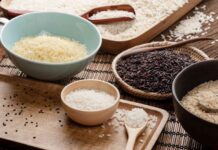
Olive oil. Fish. Greens. Grains.
No butter.
Swap simple. Swaps stick.
Mindful eating means noticing how the food sits in your stomach.
Does that pastry hurt later? Write it down.
It helps.
Really.
The Sleep Factor
Sleep is broken.
Mostly.
Lying flat hurts. Nighttime pain spikes fatigue.
Poor sleep means higher inflammation. It’s a cycle. Break it.
Cool room. Dark.
No screens for thirty minutes.
Pro yourself up if you can’t lie down.
Consistency wins.
If you go to bed at the same time. Your body eventually listens.
Move Carefully
Stop moving.
Wait.
Read that again.
During a flare. You rest.
No gym.
No running.
Rambhatla is clear.
Rest for a month if needed.
Pushing through pain adds more fire.
Once you clear. Start gentle.
Ten-minute walks after dinner.
Not marathons.
Consistency over intensity.
Gradual progress protects the heart.
The Med Map
Missing a dose invites the pain back.
Don’t guess.
Map it.
Put the pill in a seven-day box.
See it. Check it off.
Link it to something you already do.
Morning coffee?
Take it with the mug.
Bedtime routine?
Take it with the lights.
Phone reminders help. But visual cues are stronger.
Make it automatic.
Not a chore.
A rhythm.
Write It Down
Journaling feels old fashioned.
It works.
Track the pain. Track the fever. Track the mood.
Is the chest hurt worse after stairs? Note it.
Are symptoms easing as the med taper? Note that.
Doctors want this data.
You want this peace of mind.
Externalize the worry. Get it on paper.
Out of the head. Into the book.
Or app. Same difference.
Building the Stack
Do not change everything tomorrow.
You will quit by Thursday.
Pick one.
Thirty minutes off screens at night.
Do that.
Only that.
Until it is boring. Until it is habit.
Then add one.
Stack meditation on your walk.
Walk.
Breathe.
Observe the steps.
Anchor the new on the old.
Save mental energy.
Build the wall.
The takeaway?
You stop reacting.
You start managing.
It isn’t perfect. It isn’t easy.
But it is yours.