When the diabetes diagnosis hits, eyes go straight to carbohydrates. It is understandable. Sugar spikes are terrifying.
But salt? It gets a pass.
It shouldn’t. Sodium is an electrolyte, yes. It regulates fluid. It keeps muscles firing and nerves talking. But 90 percent of U.S. adults are drowning in it. And for diabetics, that water retention is not just weight gain. It is pressure. High blood pressure. Which leads to heart disease.
Here is the ugly stat. People with type 2 diabetes face a two-to-four times higher risk of heart disease compared to those without the condition. They are twice as likely to die from a cardiac event. Diabetes turns the blood thick and inflammatory. It clots easier. Add hypertension and bad cholesterol into the mix, plus the sedentary lifestyle that often accompanies chronic illness, and you have a recipe for disaster.
Restricting salt helps. It lowers the systolic number by about 5.5 points. The diastolic by 1.6. It is not magic. It is mechanics.
How Much Is Too Much?
First, semantics. Sodium is a mineral. Salt is a compound. Table salt is 40 percent sodium, 60 percent chloride. They are not identical, but reducing one means reducing the other.
The American Diabetes Association suggests a limit of 2,300 mg of daily sodium. That is one teaspoon of salt. The average American eats nearly 3,300 mg.
That gap is huge.
Some experts think even 2,300 is too high. Lori Zanini, a registered dietitian, pushes for 1,500 ml daily. Just one-quarter of a teaspoon. It feels like starvation when you first try it. It tastes bland.
But try it. Talk to your doctor first. Guidelines shift based on your kidney function and history. Still, the principle stands: less sodium is generally better. Is it overwhelming to watch carbs and sodium? Yes.
Worth it? Absolutely. Zanini calls it simply “healthy eating.”
Where The Salt Is Hiding
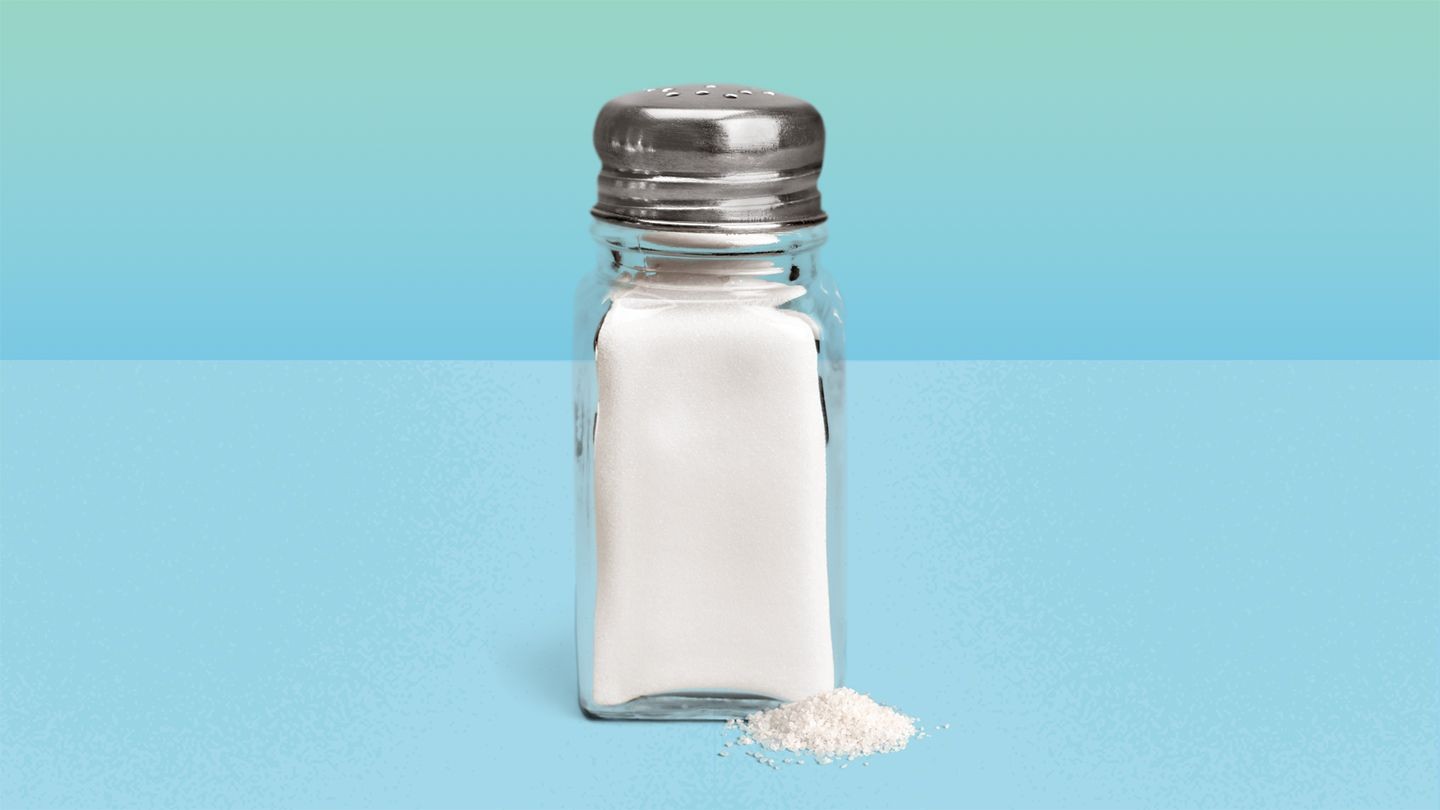
The shaker on the table? Innocent.
The real villains are bags. Boxes. Fast-food windows. If it is pre-packaged, it is loaded. Zanini’s rule: if it comes through a drive-thru window, assume the worst.
Dining out destroys progress. Cooking at home saves it. But you need to know what you are buying. Read the labels. Here is what looks safe but isn’t.
“If it comes in a bag or box, there’s a good chance salt is added.”
Marinara Sauce
You pour half a cup over pasta. That alone holds over 500 mg of salt. Most people use more. Make your own. Crush tomatoes. Simmer. Add basil. Skip the shaker. Or add less than the recipe asks for. Your kidneys will thank you.
Instant Oatmeal
The packet says “apples and cinnamon.” It also says 200 mg of sodium. Why? Who knows. Probably texture preservation. Make it yourself. Boil water. Stir in oats. Chop real apple. Sprinkle a tiny bit of salt if you must. The control is yours.
Condiments
Ketchup and mustard taste sweet. They aren’t. They are salt bombs hidden under flavor distractions. Don’t necessarily quit ketchup, but check the label. Look for under 100 mg per teaspoon. Brands vary wildly. One might be clean; the next is poison. Compare.
Bread
Bread is a silent sodium carrier in the American diet. One slice can hold more sodium than a piece of chicken. Aim for less than 200mg per slice. It exists. You just have to find the right loaf. Or stop eating sandwiches. Use lettuce cups. Try sweet potato toast. Get creative.
“Enhanced” Chicken
This term means injected with water and salt. Plump. Juicy. Deadly. Non-enhanced chicken exists. If the ingredient list says “chicken broth” or “sea salt,” put it back. Real chicken shouldn’t need additives to be palatable.
Cheese
One ounce of cheddar is roughly 150 mg. That seems fine. But stack it up with sandwiches and pasta, and it adds up. Processed American cheese is the worst offender. String cheese? High too. Swiss and mozzarella are cleaner choices. Pick your battles.
No Clean Exit
There is controversy over salt for healthy adults. Some doctors say eat it all you want.
Diabetes changes the equation. Your system is already inflamed. Your blood vessels are fragile.
Do you want to add pressure to a pressurized system? Probably not.
Cooking takes time. Reading labels takes time. It is tedious. Boring, even.
But consider the alternative. The heart attack at 45. The bypass at 50.
You have a choice today. In the grocery store aisle. Or in your kitchen.
Pick up the bottle of sauce. Turn it over.
What does the back say?