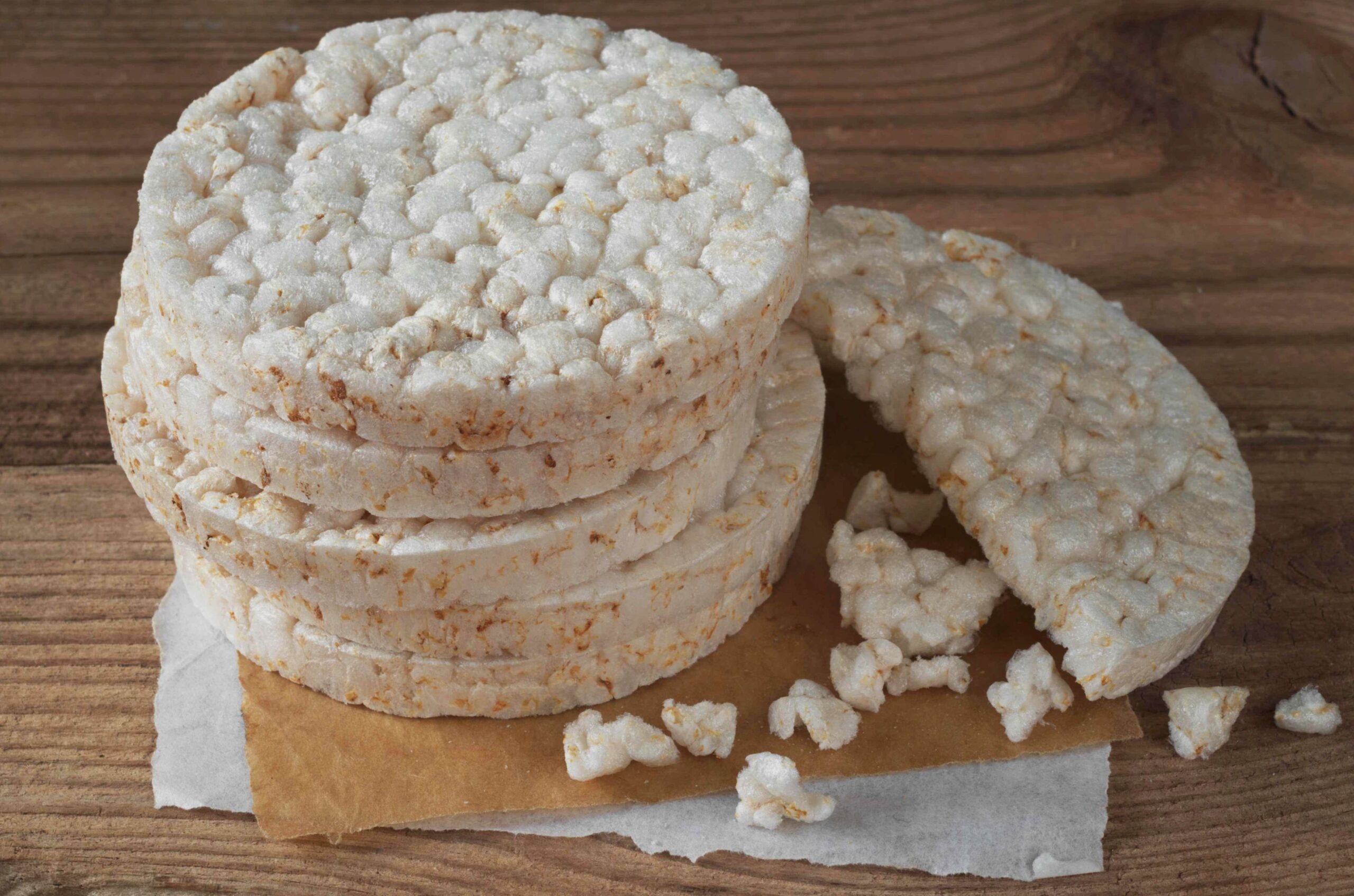
We’ve been told rice cakes are the diet answer to all prayers. Crunchy. Airy. Low calorie. A guilt-free snack.
Right?
Not exactly.
They’re made from refined grains. That’s the problem. Because the grain is stripped down to basics, your blood sugar sees it and hits the gas pedal. The result isn’t just a spike. It’s a crash waiting to happen.
The Math Behind The Spike
Let’s look at the Glycemic Index (GI).
It’s a scale of 0 to 10. Well. 0 to 100. It measures how fast food turns into sugar in your blood. Rice cakes sit around an 82.
High?
Yes. Anything over 70 is high. White bread is a 90. So rice cakes aren’t far behind the loaf you buy at the bakery. They’re just drier.
The reason? White rice.
Making white rice means stripping away the bran and germ. That’s where the fiber lives. No fiber. No germ. Just puffed starch. Most packages say 0 grams of fiber per serving. It’s not a rounding error. It’s basically nothing.
Fiber matters. It acts like a brake. Slows down digestion. Keeps blood sugar from shooting up like a rocket. Rice cakes have no brakes. Just the engine. So your glucose skyrockets. Then it plummets. Just as fast.
What Your Body Feels
Here is the deal with that spike and dip.
First comes the rush. You feel alert. Sated. Maybe a little energetic.
Then?
The crash.
It’s real. And it usually brings fatigue. Plus hunger. Like, right after you finished eating. You’ll crave something sugary. Or heavy. Your body is panicking because the sugar levels are dropping, and it wants quick energy.
This isn’t just a feeling. Sharp blood sugar swings might increase insulin resistance. Over time, that raises the risk of type 2 diabetes.
It’s not just about weight. It’s about how your cells respond to the food you put in them. Frequent swings aren’t pretty for anyone.
Are They Bad?
“Bad” is a heavy word.
They’re not poison. They’re just… empty. Nutritionally, they offer little beyond calories.
If you’re healthy and have good insulin sensitivity? One or two might be fine. But eat five in a row because they taste like nothing and feel like air? Yeah. Your glucose will jump. Especially late at night.
Why night?
Glucose tolerance drops as the day ends. We’re worse at processing sugar in the evening.
If you have prediabetes or type 2 diabetes? Be careful. This snack could be tricky for you. The lack of fiber and protein means the spike is steep. And unmitigated.
How To Fix The Crash
You don’t have to quit rice cakes. You just need to fix them.
Don’t eat them bare. Never eat them bare.
You need to add protein. You need fat. You need more fiber than what’s currently in the puffed rice. These things slow down digestion. They keep the glucose curve flatter. Smoother.
Think toppings.
Real ones.
Nut butter? Great. Cottage cheese? Even better. Sliced avocado. Hummus. Smoked salmon. Cucumber. Greek yogurt.
Basically anything that adds substance. If you eat a rice cake, make sure it’s carrying a load. Protein plus fat. Bonus points for adding veggies or fruit on top.
There are also brown rice cakes. Or whole-grain versions. They exist. And they might spike your sugar less. But don’t assume they’re magic.
Add toppings to those too.
Because the point isn’t the cake. The point is the meal. The balance. The stuff you add to make that thin disc of starch into something your body can actually handle without a crash.