The air vibrates with the deep, ear-piercing boom of the huge V-8 engine. The smell of high-octane gasoline and burnt rubber hits like a punch. Most people have a wrinkled nose. The fans love it. It smells like adrenaline.
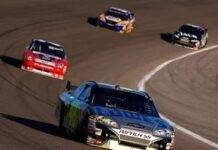
Then there is danger. You’re standing near a giant oval track as the metal beast roars past you at nearly 200 miles per hour (322 km/h). It’s closed. It’s noisy. It’s terrible. If you’ve ever attended a NASCAR race, you know the thrill. These stock cars had 800 horsepower. It was exciting to watch them jam together. You may have to think while driving. Why not?
The potential rewards for becoming a professional race car driver are ridiculous. We are talking annual salaries in millions of dollars. You have a rabid fan base. You have to drive like crazy to make a living. It’s a lot more work than most desk jobs.
But let’s face it. The competition to become a NASCAR driver is fierce. It’s not for the faint of heart. You should keep yourself in top shape. These races last for hundreds of kilometers. Gravity and heat stress your body. You also need a sharp mind. Sponsors are more selective. They want trained, skilled drivers. They want a face that represents the brand without looking like a burden.
Before NASCAR was founded, motorsports was like the Wild West. It originally started in the southern United States as an outlet for illegal whiskey smugglers. These guys have to be fast. They spent the night hiding from law enforcement and tax collectors. This commotion creates incredible driving skills.
The early songs were just dirt. Chaos reigns. There are no standard rules. Cars vary greatly in power and performance. If a driver has a great car, the race can become a boring snoozefest. Fans never know where their favorites will appear. Promoters are often ruthless. They disappear with the driver’s winnings.
In 1948, everything changed. William H.G. “Big Bill” France held a Southern Speedway owners meeting in Daytona Beach, Florida. They understand that the current system is broken. They agree to join forces. They founded NASCAR. Today, we just call it NASCAR.
The physical and mental burden of the competition
Survival while driving requires more than just reflexes. The physical demands are extreme. Riders can lose a lot of weight during a race due to the heat and exertion. Nuclear power cannot be negotiated. It has to withstand vibration and rotation for hours.
Mentally you have to stay sharp. A split second decision can mean the difference between finishing on the podium and hitting the wall. And there’s also a PR side to it. Modern drivers must be media literate. they are interviewed. They advertise their sponsor. They are both athletes and brand ambassadors.
From dirt to organized chaos
This sport has its roots in rebellion. Early drivers were outlaws. They use converted utility vehicles to escape from the police. This was before regulations. This is before safety standards. In front of a multi-million dollar prize.
Big Bill France saw potential in the chaos. He understood the need for structure. The 1948 Daytona Conference was a turning point. It brings order to madness. This creates a partnership that ensures passenger safety, equity and financial security.
Without this meeting, NASCAR might not have become the global phenomenon it is today. The transition from bootleg runner to organized athlete was a big one. but