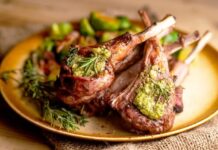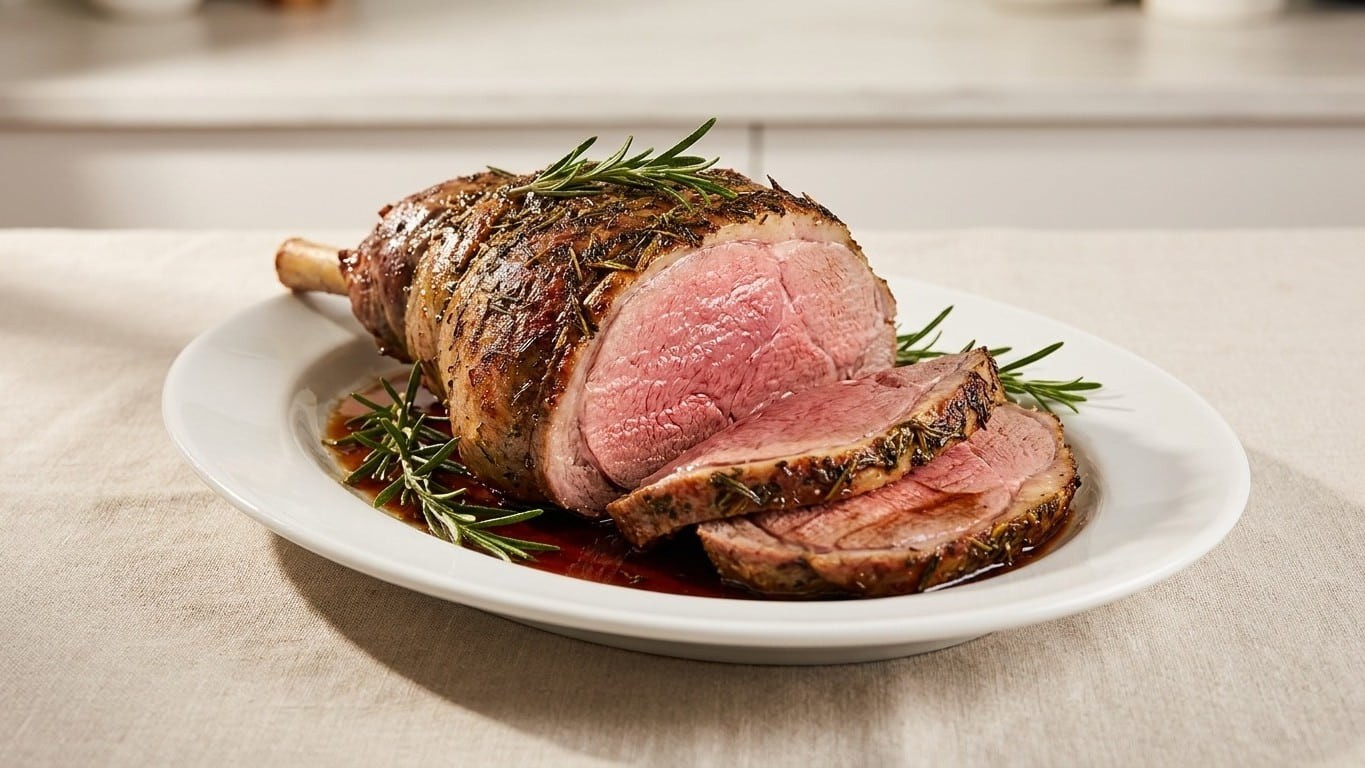
The gigot came out of the oven. The crust was a perfect golden brown. Rosemary hangs thick and heavy in the air in the kitchen. Fifteen seconds later the knife was inserted. The juices hit the plate first, then the meat.
The results are predictable. On the surface it looks good. It is very dry inside. Fibrous. That’s a shame.
This has been happening in my kitchen for years. Then the father-in-law, who had been a butcher for more than 30 years, lowered the knife. he didn’t scream. He was just explaining the mistake.
The answer is simple. **I didn’t let the meat rest. **
Less than 10 seconds. Less than 2 minutes. At least 10 minutes. Wrap in foil. before the knife touches the surface.
The Science of Meat Resting
What happens inside a gigot during cooking is raw physics. muscle fibers contract. Squeeze out the moisture. If you don’t let it rest, the moisture will escape during cutting. Even if the cooking time is perfect, the meat will still be dry.
The gigot cooks for an hour and a half. It’s a beautiful color outside. All the moisture inside is compressed by the heat and escapes to the core. Cutting into it is like making a hole in a water balloon. The meat juices run out. My plate is full. The meat is empty.
When you take a break, the fibers gradually relax. The juice is evenly distributed throughout the cut. At the molecular level, the proteins reorganize slightly. Retains moisture better. This is not magic. This is thermodynamics.
Plan for at least 15 minutes. Ideally twenty to twenty-five. Place the meat under aluminum foil and a towel to keep it warm.
My father-in-law takes it further. He suggests leaving the gigot in a closed oven for 20-30 minutes after cooking. Or outside, wrapped tightly to prevent cooling. This rest time before Slicing allows the concentrated middle juices to develop. As a result, the meat becomes significantly juicier.
Waiting 20 minutes will save you years of frustration. The math is simple.
3 Mistakes Everyone Makes (But Won’t Admit)
Rest is a mortal sin. But that’s not all.
The first mistake is made before starting to cook. Taking the gigot out of the fridge five minutes before turning on the oven is a big mistake. If you put cold meat (about 4°C) in a hot oven, the outside will “boil” before the middle starts to warm.
Take the gigot out of the refrigerator at least 1 hour before cooking. 90 minutes is best for pieces. In this way, the meat gradually returns to room temperature. Bakes evenly from outside to inside. There is no discoloration on the outside. It’s not cold inside.
Another mistake is the one-generation myth. **Piercing the lamb with garlic. **
Looks very attractive. However, if you pierce or cut the meat, the juices will run out. The meat will be dry. There may be gaps when planting a fork or garlic. I ran out of juice. The lamb was dry.
Brush the lamb with oil to add flavor. Place whole garlic cloves (with skin on) in the baking dish. The garlic slowly dissolves in the broth. The aroma penetrates the meat naturally through the steam. There are no incisions. No leaks.
The third mistake is technical, but it is also serious. cooking temperature.
If you cook lamb on high heat, the outside will burn and the inside will be undercooked. Calculate 30-40 minutes per kilo for pink lamb. For perfect results, take the meat out of the fridge 1 hour in advance. The final core temperature target is 54–58 °C.
A probe thermometer costing less than 10 euros takes the guesswork out of inserting a knife to check the color of the juice. Accuracy is important.
How to get back lost juice and turn it into a weapon
Most cooks leave oil on the bottom of the baking sheet. Liquid gold is solidified fat.
While the leg of lamb is resting, carefully remove all the fat. Set the garlic aside to keep warm. Deglaze with two deciliters of warm water or stock. Place the frying pan on the fire. Scrape the bottom well to separate and dissolve the cooking juices. Let’s reduce it. Season with salt and pepper. The sauce is ready. Not greasy. Very tasty.
Meanwhile, the leg of lamb lay quietly under the aluminum.
If cutting is necessary, cut perpendicular to the grain. This optimizes the softness of the mouth. Cut into 5-8 mm thick pieces. Remove the bone if it makes serving easier, remove them.
While it is resting, Add the juices that release from the gigot to the deglazed cooking sauce. This mixture will cover the slices. focused. Strongly fragrant. The taste of real lamb.
Low-temperature roasting: the secret to juiciness
Traditional roasting often turns good lamb into dry sawdust. It’s stressful. You watch the clock. You baste constantly. Pray that the center cooks before the edges turn leathery.
There is a better way.
Low temperature baking changes the whole game. Requires gentle, even heat. As a result, the meat cooks evenly without drying out. There is no need to baste constantly. No need to hover over the oven. The calculation is easy. Please allow 1 hour 15 minutes to 1 hour 20 minutes per 1 kg at 120℃.
At first it seemed that the logic was faulty. Less heat. Give it more time. However, the texture is infinitely more consistent. The goal is to form a beautiful crust before the inside finishes cooking. This reflects how the beef is handled. The Maillard reaction must occur as soon as possible.
Here is the move. Fry the leg of lamb on high heat. Use a very hot pan or oven. 10 minutes is enough. You are looking for deep brown crust. Once that color is set, lower the temperature. The optimum temperature is 120℃ to 130℃. Let it cook slowly. The exterior holds its shape. The inside remains pink and juicy.
“You can enjoy the full flavor of mutton, you have to eat it hot.”
This brings us to the last important step. A lot of people skip it. It ruins the experience.
Your mother-in-law probably talked about this at the dinner table somewhere. Serve the lamb on warm plates. Cold plates kill the flavor instantly. A fully rested leg of lamb cools in 30 seconds placed on a chilled dish. This is a tragedy.
Warm the plates beforehand. Just put in the oven at 60 degrees for 2 minutes. It’s a small gesture. The difference on the plate is huge. The fat renders better. The aromas hit harder. The meat stays hot for a long time.
Stop worrying about the clock. Start trusting the temperature.
Source: ptitchef.com | 750g.com