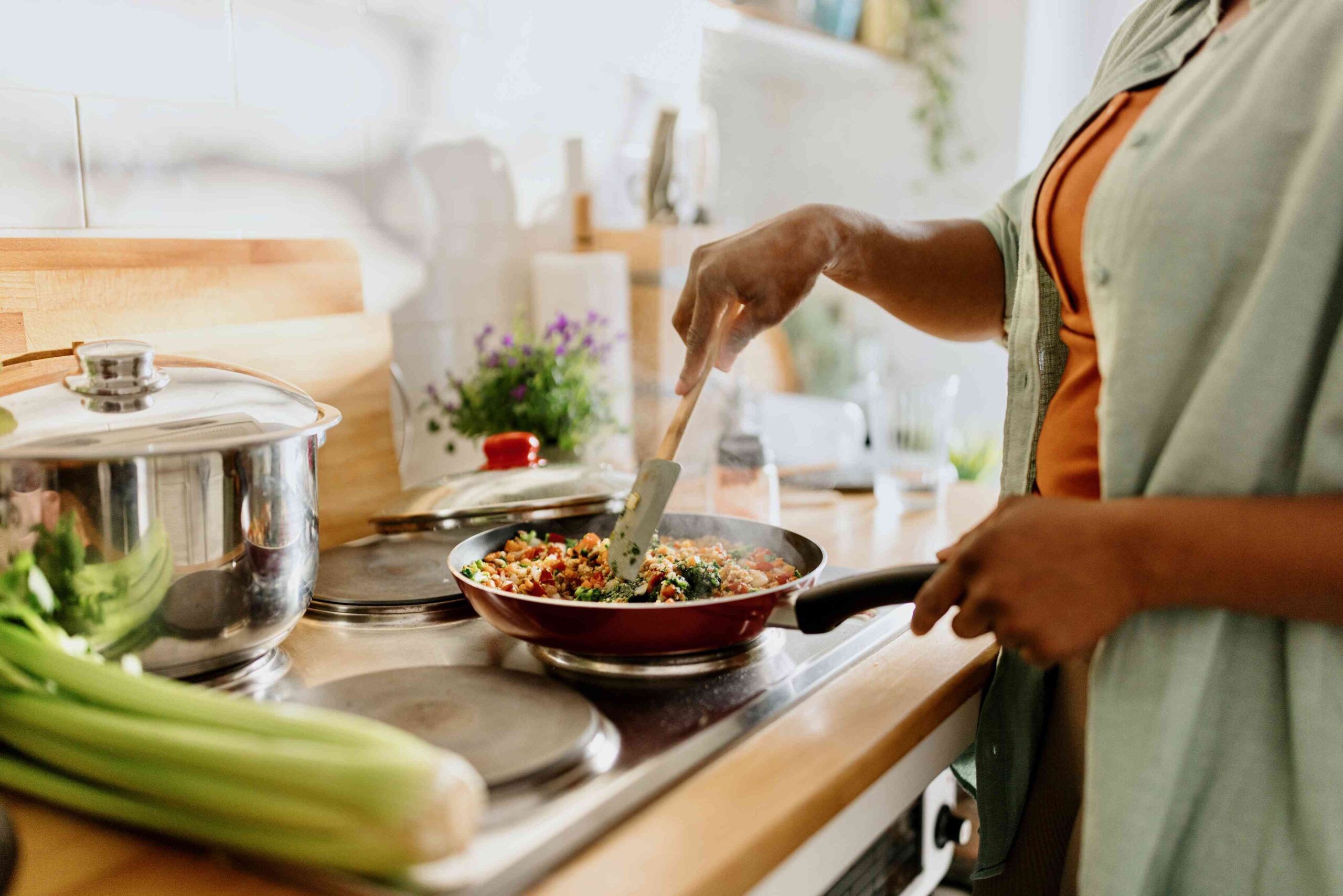
Cooking food properly isn’t just about taste; it’s about maximizing nutrition while minimizing health risks. Whether you prefer a quick stir-fry or a slow-roasted meal, understanding the best methods can make a real difference in your diet. This guide breaks down 11 popular cooking techniques, from the most nutrient-preserving to those with potential downsides, offering tips to make the healthiest choices.
Preserving Nutrients: The Best Methods
Steaming and Boiling: These moist-heat methods are among the healthiest, preserving nutrients while avoiding added fats. Experts at the Victus Health and Wellness Center emphasize that steaming and boiling are ideal for both meats and produce, as they require no butter or oil, making calorie management easier. To maximize benefits, consume these foods immediately after cooking, as prolonged heating degrades nutritional value. Steaming is preferred over boiling for vegetables, as it better retains carotenoids, phytochemicals, and vitamin C.
Blanching: Quickly boiling then shocking in ice water preserves food quality and slows nutrient loss. It also can reduce surface microbes on vegetables, though it’s not a sterilization method. Blanching keeps vegetables crisp and vibrant, locking in color and nutrients. Pay attention to timing; over-blanching destroys flavor and nutrients. This method is for produce only, not meats.
Poaching: A gentle simmer in liquid (broth or water) results in moist, tender food. RDN Lauren Slayton of Foodtrainers calls it a “healthy and underused” method. Keep temperatures low (158-176°F) to avoid adding unnecessary calories. While poaching in milk or oil adds flavor, it also adds fat.
Microwaving: Often overlooked, microwaves can preserve nutrients due to their short cooking times. However, they’re better for reheating or cooking vegetables than ensuring thorough cooking of meat and poultry, where bacterial safety is a concern. Always check internal temperatures to ensure proper sanitation.
Moderate Methods: Balancing Health and Flavor
Air Frying: A recent study shows air frying vegetables like Brussels sprouts and kale at 160°F for 10 minutes results in the least nutrient loss. This method uses minimal oil, reducing acrylamide exposure and heart disease risk compared to deep frying. Keep the appliance clean and cut larger poultry pieces smaller for even cooking.
Raw Food: Eating raw vegetables with healthy fats enhances nutrient absorption. Studies show high cruciferous vegetable intake (broccoli, cauliflower) can reduce abdominal aortic calcification, a predictor of heart disease. Add lime juice and salt to dips like mashed avocado to make raw vegetables more palatable.
Baking: While versatile, baking can lead to greater nutrient loss than other methods. Starchy foods (bread, potatoes) release acrylamide at high temperatures, a potential carcinogen. Balance baking with other cooking methods and opt for light browning to minimize acrylamide formation.
Broiling: Better than frying due to fewer calories and fat, broiling still causes nutrient losses from direct heat. Supplement with raw vegetables for a more nutritious meal. Use thin cuts of meat for faster, safer cooking, and consider marinating in herbs (curry, turmeric) to mitigate harmful fumes.
Methods Requiring Caution
Stir-Frying and Sautéing: Fast and convenient, these methods use high heat and oil, potentially creating harmful by-products like HCAs and PAHs linked to cancer risk. Use spray oils to minimize fat, cook quickly, and choose oils with high smoke points (avocado oil).
Grilling: Grilling meat forms HCAs and PAHs linked to DNA changes and cancer risk. Moderate intake: occasional grilling won’t likely cause significant harm if your diet is otherwise healthy. Avoid direct flame exposure, turn meat frequently, skip gravy made from drippings, and discard charred portions.
Roasting: Roasting starchy foods like bread and potatoes releases acrylamide at high temperatures, a potential carcinogen. Balance roasting with other cooking methods and aim for light browning to minimize acrylamide formation.
Ultimately, the best cooking method depends on the food and your health priorities. By understanding the pros and cons of each technique, you can make informed choices that maximize nutrition and minimize risk.