It’s May 2026. The name has changed.
Endocrine experts officially rebranded PCOS to PMOS. Polyendocrine metabolic ovarian syndrome. A mouthful. It sounds colder, clinical, less about cysts and more about the whole system failing you. And it’s accurate. It’s a metabolic disorder.
Your doctor might prescribe meds. They should. But pills alone don’t fix the machinery. Your plate does. There’s no single “PMOS Diet” stamped with a government seal. No golden rule. Just patterns that stop the bleeding. Specifically, the sugar bleeding.
The Core Mechanics
Insulin resistance drives most PMOS symptoms. It’s the engine trouble. If you fix the engine, the car runs better. Melissa Groves Azzaro is an RDN who actually knows her way around hormones. She says focus on blood-sugar balancing. Eat protein. Eat fiber. Keep carbs moderate and real—grains, beans, veggies, fruit.
Why? Research shows it works. Better sensitivity. Fewer symptoms.
Anti-inflammation helps too. Your body is quietly inflamed. Most people with PMOS are. Groves Azzaro notes that whole foods fight that fire. Gut health matters here. Probiotics, prebiotics, both types of fiber. You need them to process excess hormones and dump them. Your gut is the exit strategy.
If you’re looking for a labeled framework, three exist. Here’s how they stack up.
Low-Carb and Keto
It’s popular. Alyssa Pacheco sees women flocking to low-carb and keto plans. Boston-based nutritionist, she calls out the immediate win. Cut carbs. Blood sugar drops. Insulin resistance fades. Weight might come off. Ovulation might return.
Pacheco points to studies. Seven of them, actually. Women on keto for 45-plus days saw better reproductive hormones. It works for some. Fast.
But there’s a trap. Keto is brutal to stick with. You starve your fiber intake. And fiber? That’s gut food. Women with PMOS often already have a boring gut microbiome—low diversity, bad resilience. Cutting fiber long-term wrecks it further. Dieting cycles are dangerous, too. Lose weight. Gain it back. Your metabolic health crashes harder each time.
Keto is a sledgehammer. Sometimes you need a scalpel.
Mediterranean Diet
This one feels less like punishment. Olive oil. Fish. Legumes. Nuts. Greens. Seafood. The traditional diet around the Mediterranean basin.
Pacheco loves this for inflammation. Antioxidants. High fiber. It stabilizes blood sugar without the hangover of restriction. One study linked this pattern directly to normalizing hormone levels. It fights the chronic inflammation quietly eating your joints and organs.
It’s gentle. Sustainable. Maybe a little expensive depending on your location and the price of almonds.
The DASH Diet
Dietary Approaches to Stop Hypertension. DASH. Sounds boring. Isn’t.
Focus: fruits, veggies, lean proteins. Less processed junk. Similar to Mediterranean but tweaked. A systematic review flagged it as highly effective. It boosts insulin sensitivity. It lowers male hormones (androgens). It regularizes cycles.
For Americans eating standard Western slop, DASH might be easier than jumping straight into Mediterranean. Groves Azzaro points out adherence matters. You live with this for decades. Pick the plate you can eat for ten years without plotting your escape.
What Goes On The Plate
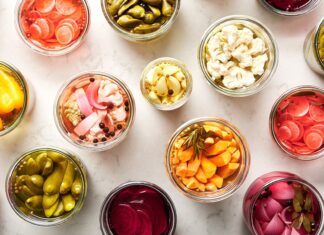
Keep it simple. Minimize processing.
- Lean proteins. Chicken skin off. Tofu. Tempeh. Eggs. Lean beef if you like.
- Fatty fish. Salmon, tuna, mackerel. Don’t skip this one.
- Nuts and seeds. Walnuts. Chia. Pumpkin.
- Whole grains. Barley, quinoa, oats, brown rice. Real bread, not white sawdust.
- Beans. Lentils, black beans, chickpeas. Fiber kings.
- Veggies. Kale. Spinach. Broccoli. Carrots. Sweet potatoes.
- Fruit. Berries, apples, kiwi. Pomegranate if you find it fresh.
- Healthy fats. Olive oil. Avocados. Flaxseed.
- Herbs. Garlic, ginger, turmeric.
- Water. Tea.
Avoid this stuff. Or limit it heavily.
- Refined grains. White pasta, white bread. Crisps. Crackers.
- Ultra-processed food. Chips. Flavored yogurt. Protein bars that taste like chemicals.
- Processed meat. Salami, sausage. Deli meat.
- Sugar. Candy. Ice cream. Brownies.
- Sweet drinks. Soda. Sweet tea. Lemonade. Juice, even natural. It’s sugar water with a fancy label.
The Gluten Question
Social media will scream at you. Go gluten-free! Save your hormones!
Here’s the boring truth. The science isn’t there. Groves Azzaro checked the studies. None link PMOS directly to gluten sensitivity. No proof that gluten-free diets help PMOS specifically.
Did you feel better cutting gluten? Cool. Maybe. If your body rejects it, ditch it. But don’t think you’re curing PMOS by eating rice cakes.
The Weight Issue
Let’s clear the air. Weight gain is a symptom. Not a cause. You didn’t break your body by eating too much. The hormones made you eat too much, or store it differently.
Extra weight worsens the feedback loop. More insulin resistance. More inflammation.
Losing weight with PMOS is hard. Brutal. You fight cortisol, insulin resistance, androgen surges, maybe thyroid issues. Groves Azzaro says treat the roots first. Sleep 7 to 9 hours. Move. Aim for 150–300 minutes of cardio. Lift weights. Stress management isn’t fluffy; it’s clinical.
Even then. Pacheco drops a reality check. Thirty percent of women with PMOS are normal BMI. Lean PMOS exists. Your scale lying to you is normal. Focus on metabolic health, not just the number.
Supplements: The Wild West
Fiber. Protein. Healthy fats. Got that? Now consider “extras.”
Myo-inositol is foundational for insulin sensitivity. Vitamin D too. Omega-3 fish oil fights inflammation and tames testosterone. Those are the big three.
Others? Maybe. Magnesium for sleep (glycinate) or bowels (citrate). Ashwagandha if you’re fried by stress. Turmeric, resveratrin, quercetin for general inflammation.
Talk to a doctor first. Seriously. Supplements interact. Some hide dangers. A dietitian helps navigate this maze. Check your blood work first. Deficiencies exist. Fix them before guessing.
“Work with a practitioner. Always check with your doctor.”
It’s not just a disclaimer. It’s the most important part.
Sources are solid here. Everyday Health checked everything. Peer-reviewed studies. Expert reviews. Because guessing with your metabolism is risky.
Eat well. Move. Sleep. Repeat. That’s the diet.