


High sodium intake is killing us.
Millions.
It drives up blood pressure. It triggers strokes. It wrecks kidneys. Hypertension is the silent killer. No symptoms. Just damage. And it remains a leading predictor of death.
We didn’t evolve this way.
Our ancestors ate high-potassium, low-sodium diets. Greens. Roots. Fruits. Today? That’s flipped. We’re drowning in processed sodium while potassium-starved. Ninety-eight percent of Americans fail to hit minimum potassium goals. This isn’t just bad health; it’s a public health crisis. Low potassium predicts heart disease. High potassium lowers stroke risk. Independent of blood pressure.
Clotting drops. Arterial stiffness fades. Free radicals decrease.
High sodium? 20% higher risk of early death. High potassium? 20% lower risk. Is this just correlation? Does eating beans mean you’re healthier generally? Yes. But randomized controlled trials prove causality. Reduce sodium? Blood pressure drops. Add potassium? Blood pressure drops again.
So why not swap the salt shaker?
How Potassium Chloride Compares to Regular Salt
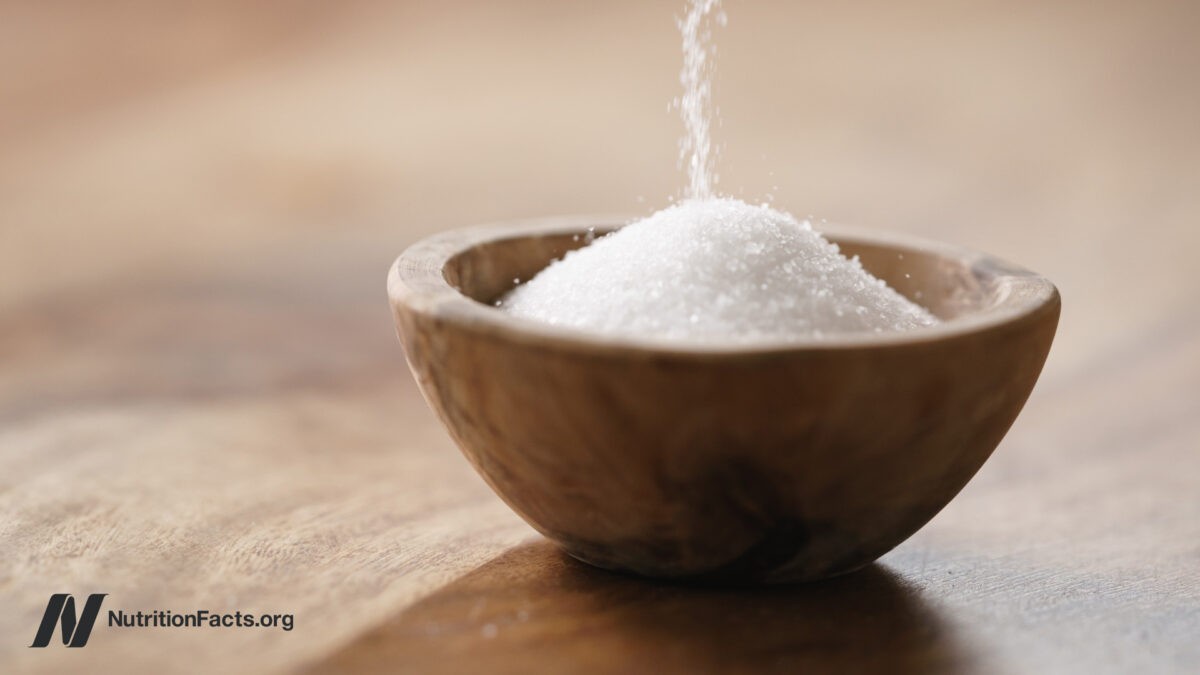
Potassium chloride is a mineral salt. Obtained like regular salt. It replaces sodium chloride. Zero sodium. All the salinity. A win-win? Theoretically.
Whole foods are best. Fruits and veggies have phytonutrients. Fiber. But swapping salt works too.
Ten studies. Eleven trials. The data is clear: replacing some potassium chloride for regular salt significantly lowers blood pressure in hypertensive patients. It may even prevent hypertension before it starts. We know it lowers BP. But does it save lives? That requires a harder test.
One trial swapped household salt with 25% potassium chloride. Participants couldn’t taste the difference. Many preferred it. The result? A 50% reduction in the risk of developing hypertension.
But hypertension is a proxy. Mortality is the endpoint.
Do Salt Substitutes Reduce Mortality Risk?
Five kitchens in a veterans’ home. Two groups. Two and a half years. One group got regular salt. The other got a 50/50 mix of potassium chloride and sodium chloride. Unbeknownst to cooks and diners.
The half-potassium group cut cardiovascular death risk by 40%. They lived nearly a year longer. For a 70-year-old, this is huge. The life expectancy gap equated to 14 years of natural aging. Switching salts made them effectively more than a decade “younger” regarding death risk.
Larger scale? China.
Six hundred villages. Twenty thousand people. Five years. Quarter-potassium chloride substitute versus regular salt. The results weren’t subtle.
- Strokes dropped.
- Cardiovascular events decreased.
- All-cause mortality fell.
This works in settings where home cooking dominates salt intake. In the U.S., sodium hides in packaged meats and processed foods. Companies could switch. They don’t. Why?
Safety Concerns and Public Health Barriers
A Mayo Clinic review called it “Achieving the Benefits of a High-Potassium, Paleolithc Diet, Without the Toxicity.”
Others ask if salt substitution is ready for prime time.
There are fears. “Potentially fatal salt substitutes” entering the food supply. Concerns over hyperkalemia in those with kidney issues. Valid risks. But for the general population? The evidence points toward massive benefit.
We have the tool. It tastes fine. It lowers BP. It saves lives.
Yet adoption is sluggish. Is the hesitation warranted? Or are we ignoring a low-cost, high-impact intervention? The science suggests we should be putting this salt in our shakers. The barriers seem political, not biological.
The next part of this series dives deeper into who should avoid these substitutes and why safety matters for specific conditions. For most, though, the choice looks simple.


