


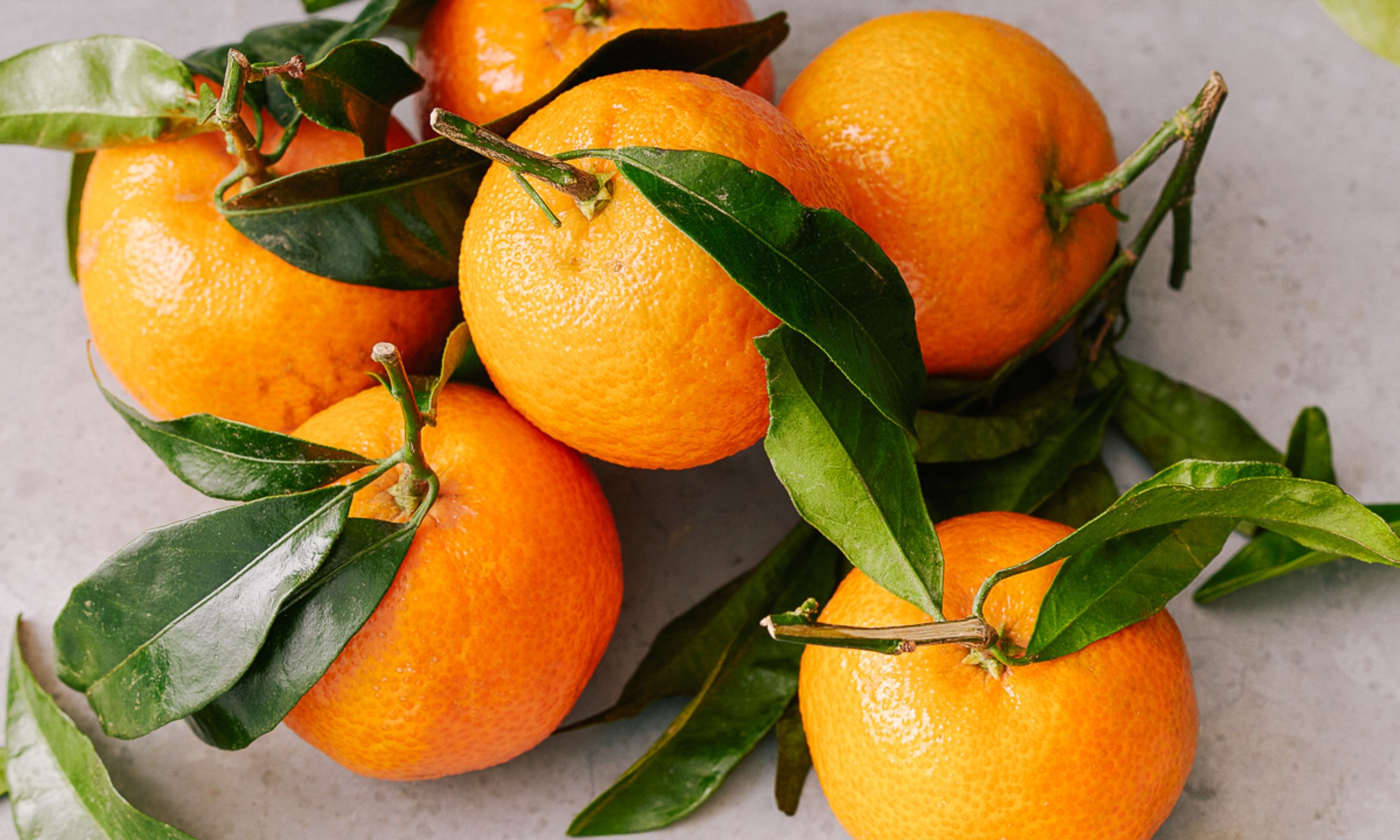
You strip the skin. You peel the white membrane. You eat the sweet segments. Then, you toss the bitter, spongy layer into the bin.
It feels wasteful. It tastes like cardboard.
But new research says you are throwing away the most nutritious part of the orange. That “trash” is packed with hesperidin.
Hesperidin isn’t just filler. It’s the primary source of flavonoids in citrus. And for years, we’ve ignored it. A narrative review of 197 studies published between 2011 and early 2026 changes that. It pulls together human trials and preclinical data to show why this bitter compound deserves attention.
The Science Behind Citrus Peel Benefits
Hesperidin belongs to a subclass of flavonoids called flavanones. These are plant compounds known for antioxidant and anti-inflammatory properties. You find them in oranges, lemons, limes. In tangerines. In grapefruits.
But here’s the catch. The highest concentrations are in the peel. Specifically, the white pith. The juice? It has very little.
The review screened over 5,000 references. They filtered out noise to find the signal. The result: 197 papers. Human trials. Animal models. Cell studies. The authors are clear about what’s proven in people and what’s still theoretical.
Hesperidin is real. Its potential is real. But the level of evidence varies wildly.
Heart Health and Blood Sugar Control
If you want human evidence, look at the heart.
The strongest data supports hesperidin’s role in cardiovascular and metabolic health. One clinical trial gave people with metabolic syndrome 500 milligrams of hesperidin twice a day. Six weeks later? Improvements in blood pressure. Fasting blood sugar dropped. Triglycerides went down. Cholesterol markers improved. Inflammation markers followed.
A second trial looked at nonalcoholic fatty liver disease (NAFLD). Participants took 1,000 milligrams daily. Results showed reduced inflammation. Liver health indicators got better.
Another larger review confirmed these trends. Daily intake of 500 mg for over six weeks improved blood vessel function. Especially in people with hypertension or diabetes.
How does it work? Hesperidin likely helps blood vessels relax. It widens them. Blood flows easier. The heart doesn’t have to work as hard.
Is this a cure-all? Not yet. Most human studies are small. They are short-term. We need larger trials to confirm long-term safety and efficacy. The data is promising. It is not definitive.
Brain And Gut Effects: Exciting, But Preclinical
The brain and gut findings are fascinating. They are also preliminary.
These insights come from mice. From petri dishes. Not humans.
In mice engineered to develop Alzheimer’s-like symptoms, hesperidin reduced amyloid plaque buildup. These protein clumps are a hallmark of Alzheimer’s disease. The mice also showed improved social behaviors. Cell studies backed this up. Reduced protein formation. Lower oxidative stress. Calmer brain inflammation.
None of this has been tested in people yet. Don’t eat your way out of dementia based on mouse data. It’s too early.
The gut story is slightly more grounded. Hesperidin acts like a prebiotic. It feeds beneficial bacteria. Bifidobacterium. Lactobacillus. It supports short-chain fatty acid production. It keeps harmful bacteria in check.
Early preclinical data even hints at anti-cancer effects. Lung. Colorectal. Prostate cell lines. Far from clinical application. Just a starting point.
How To Get More Hesperidin In Your Diet
The solution isn’t a pill. It’s a habit shift.
Hesperidin lives in the peel. And the white membranes. Not the juice. Processed juice strips most of it away. You need whole fruit. Or smart cooking tricks.
Here is how you actually get it:
- Leave the pith on. When you eat orange segments, keep that white layer. It’s not just texture. It’s nutrition.
- Use zest. Lemon or orange zest in soups, salads, or marinades. The peel holds the most hesperidin.
- Skip the glass. Choose whole fruit over juice. Every time.
If you prefer supplements, look at the clinical dosing. Human trials for blood pressure and metabolic health used 500 to 1000 mg per day. Duration? Usually six weeks or more.
Hesperidin is generally recognized as safe in the 250 to 1000 mg range. Side effects are minimal. Occasionally, mild gastrointestinal discomfort. If you go higher, you might feel it.
Absorption matters. Hesperidin has low water solubility. Take it with fat. A meal containing lipids improves how much your body actually uses.
The Bottom Line
We’ve been trained to believe the bitter part is waste.
The review makes a compelling case against that. Hesperidin offers real, albeit early, human evidence for blood pressure and metabolic support. Preclinical data suggests brain, gut, and anti-inflammatory benefits. We just haven’t proven the latter in people yet.
So next time you peel an orange, pause. Look at that white spongy layer. Don’t toss it.
It’s better than you think.
The question isn’t whether you should eat it. It’s whether you’re willing to deal with the taste.
Or are you just going to keep throwing away the good stuff?


