


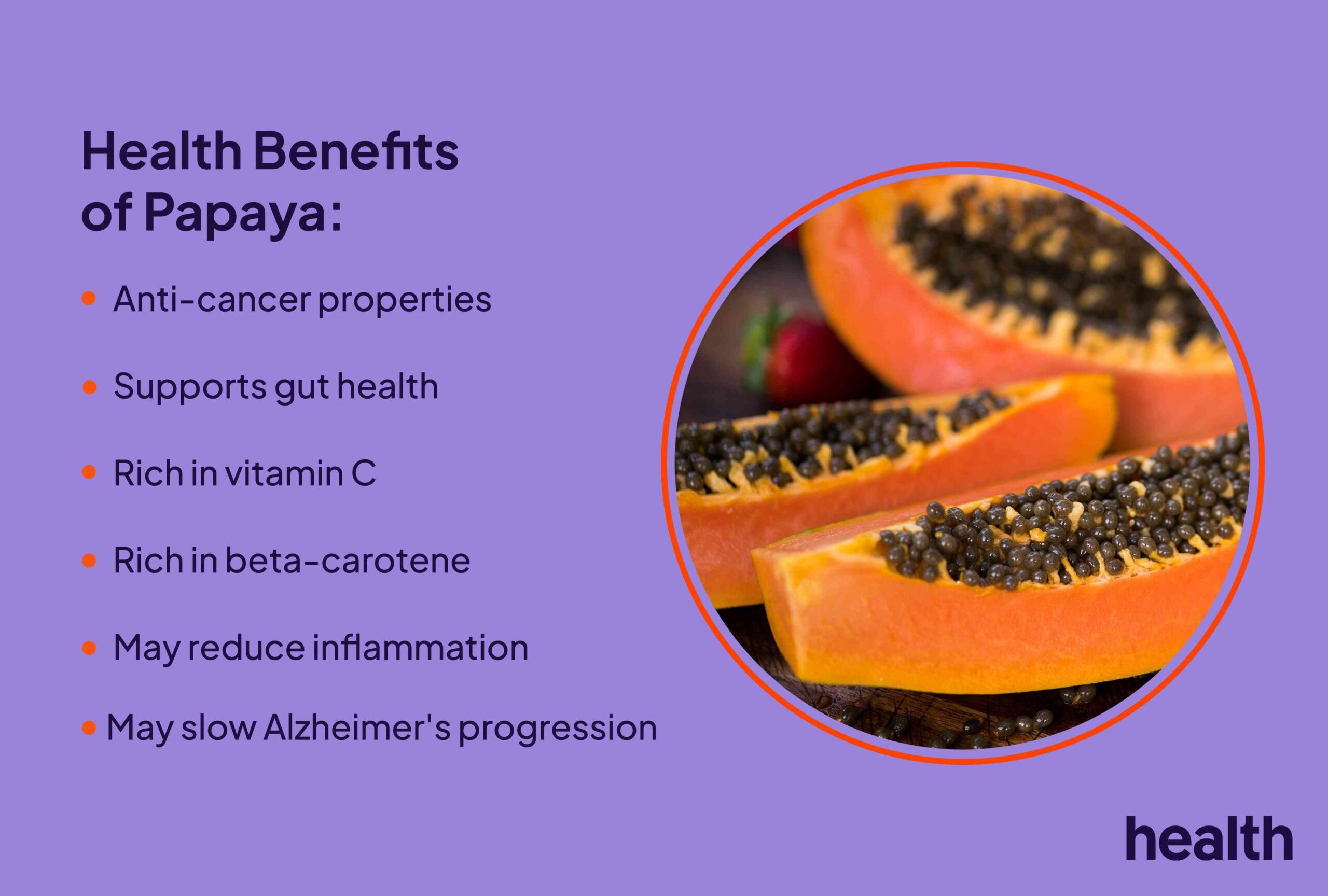
Tropical fruits often get labeled as mere indulgences. Papaya breaks that stereotype. It isn’t just sweet or soft. It is a dense delivery system for nutrients that actually do work inside your body.
One cup of the fruit covers nearly your entire daily need for vitamin C. That is not a small margin. It matters for how your immune system fights off infections. It matters for how fast wounds heal. But the benefits go deeper than just avoiding a cold.
Immune Support Through High Vitamin C Intake
Your body does not produce vitamin C. You must get it from food. Papaya makes that easy. A single cup provides roughly 88.3 mg of the vitamin. This helps decrease the length of cold symptoms and supports general immune defense.
There are broader implications here, too. Some research suggests adequate vitamin C intake may help delay certain types of cancer. It may also lower heart disease risk. The goal is not perfection. It is consistency.
Gut Health: Fiber, Water, and Digestion
Digestion is often an afterthought until it breaks. Papaya treats it with care. The fruit is high in fiber. Just one cup has about 2.5 grams. Combined with its 88% water content, it helps keep things moving through the digestive tract.
This combination prevents issues like hemorrhoids and diverticular disease. Fiber adds bulk to stool. It promotes satiety, keeping you fuller for longer.
A high-fiber diet typically aims for 25 to 38 grams daily. Papaya contributes to that total. Linked to lower cholesterol and stable blood sugar levels, the fiber in papaya is a functional tool, not just filler.
Eye Health: More Beta-Carotene Than Carrots
When you think of eye health, you probably think of carrots. Carrots are rich in beta-carotene and vitamin A. Papaya is richer.
The fruit contains three times more bioavailable beta-carotone than both carrots and tomatoes. Beta-carotene is vital for protecting against age-related macular degeneration. This is the most common cause of vision loss in older adults. If preserving vision is a priority, papaya deserves a spot in your daily routine.
Fighting Inflammation and Oxidative Stress
Free radicals are unstable molecules. They form from sun exposure, pollution, and general metabolic processes. When free radicals outnumber antioxidants, oxidative stress sets in. This leads to inflammation. It damages cells.
Papaya’s vitamins act as antioxidants. They neutralize these free radicals. Papaya extracts have shown potential in protecting against oxidative stress. This protection extends to aging markers and chronic disease risk.
Cancer Prevention Potential
Papaya is rich in lycopene. This red pigment is a carotenoid with serious anti-cancer properties. Studies suggest it may slow tumor growth. It may also reduce the risk of specific cancers.
Vitamin C plays a role here as well. One study indicated that people with a family history of breast cancer had a lower risk when they consumed more vitamin C from food sources. Lycopene and fiber in papaya also contribute to lower heart disease and stroke risks by managing cholesterol.
Alzheimer’s and Brain Health
Alzheimer’s disease is closely linked to oxidative stress in the brain. Free radicals damage brain cells.
Some research points to fermented papaya powder as a way to slow the progression of Alzheimer’s. However, a critical distinction exists here. Papaya extract is far more concentrated than the whole fruit. The effects of eating whole papaya on Alzheimer’s in humans have not been fully studied. More research is needed before claiming the fruit itself is a cure or primary treatment. Do not substitute diet for medical advice.
Nutritional Breakdown
The numbers tell a specific story. In one cup of papaya, you get:
- Calories: 62
- Carbohydrates: 16 g
- Fiber: 2.5 g
- Sugars: 11 g
- Protein: 0.7 g
- Vitamin A: 68.2 mcg
- Vitamin C: 88.3 mg
- Potassium: 263.9 mg
- Beta carotene: 397.3 mcg
- Lycopene: 2650.6 mcg
- Folate: 53.7 mcg
- Fat: 0.4 g
- Sodium: 11.6 mg
The profile is low in fat and sodium. It is high in micronutrients.
Who Should Avoid Unripe Papaya?
Ripe papaya is generally safe. It has few side effects unless you have a specific allergy. People allergic to latex may react to eating papaya. This is a known cross-reactivity.
Unripe papaya is another story entirely. It contains a high concentration of an enzyme called papain. Some studies suggest papain might poison a fetus or cause birth defects in pregnant individuals. Unripe papaya should be avoided during pregnancy.
It can also damage the esophagus, regardless of pregnancy status. If the fruit is mostly green, it is not ready.
How to Choose and Eat Ripe Papaya
Selection matters for texture and nutrient density. Look for a papaya that is mostly yellow or orange. A few green spots are acceptable. If the skin is mostly green, wait.
Check for softness. Press the skin gently. If it yields like a ripe avocado, it is ready to eat. Avoid fruits with many soft spots, shriveled skin, or dark discoloration. Those are signs of spoilage.
You can eat it raw. Slice it open, scoop out the seeds (they are edible but peppery), and add it to smoothies, salads, or salsas. The subtle sweetness pairs well with both savory and sweet dishes.
The fruit does not need to be complicated to be effective. It just needs to be part of the regular intake. Whether for immunity, digestion, or long-term brain health, the data supports its inclusion. What is less clear is exactly how much whole fruit versus extract is optimal for disease prevention. That gap remains in the research. For now, the evidence for daily consumption as a nutritional staple is strong enough to make it a standard choice.


