It’s a hard, dry plug. It refuses to move.
Everyone goes to the bathroom. But when your digestion turns traitor, things get messy. Constipation is annoying enough, usually. But then it gets worse. Much worse.
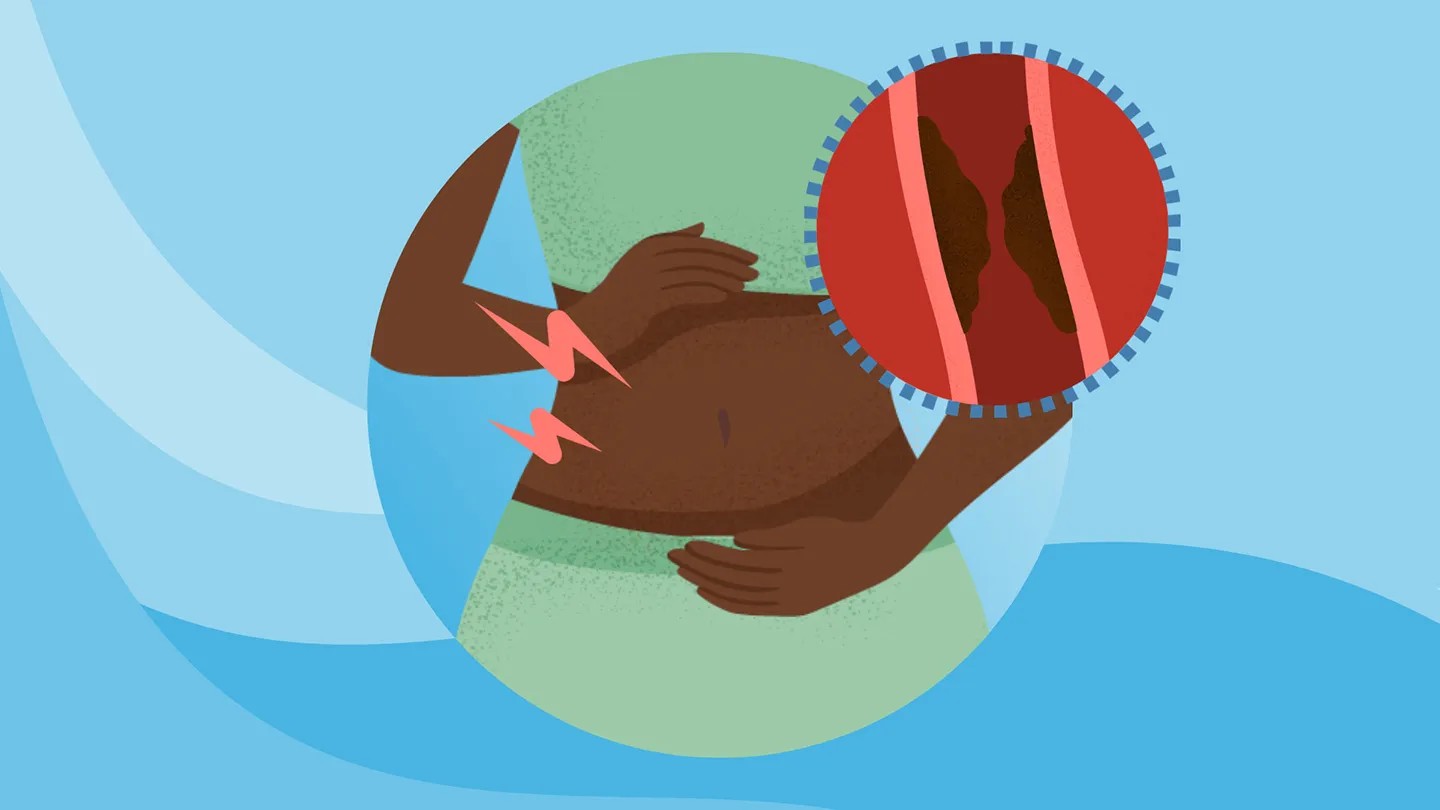
Fecal impaction is what happens when stool backs up, dries out, and creates a literal roadblock in the rectum. You can’t push it out. It stays stuck.
It’s rare, mostly. But for the 9 to 20% of U.S. adults living with chronic, severe constipation, it’s a real risk. The colon chokes on that backed-up mass. Sometimes completely. That requires a doctor. Maybe surgery.
The Body Screams
You’ll know when this happens.
The symptoms don’t whisper; they shout. Abdominal pain hits hard, especially after eating. You feel a constant, maddening urge to poop but can’t. Your head pounds. Your stomach swells into a tight, uncomfortable drum.
Nausea. Vomiting. Appetite vanishes.
Some people actually lose weight. They just feel rotten, under the weather, in a way that doesn’t make sense until they figure it out.
Straining leads nowhere. You might pass tiny, hard “marbles.” Or you might bleed from the rectum.
Here is the irony.
You can leak watery stool around the blockage. Liquid flows through where solids can’t. It feels like diarrhea but it is a sign of total blockage. The pressure hits your bladder. You might lose control of urination. Lower back pain kicks in. It’s miserable.
Why It Happens
Chronic constipation is the root cause. Simple as that. But who gets it?
Children and the elderly are at the highest risk. A study of 30,000+ patients showed 13.4% of hospitalizations for fecal impaction came right out of nursing homes.
Neurology plays a part. Parkinson’s, multiple sclerosis, spinal cord injuries—anything that scrambles the signals to the colon motility is a trigger. Certain cancers and their treatments do the same thing.
Kids develop it for behavioral reasons too. They hold it. Fear of pain during toilet training. Holding it while playing. Not drinking enough. Not eating fiber. Doctors call this encopresis.
Older adults often just stop moving. Sedentary lives make the digestive system sluggish. Abdominal muscles weaken. They can’t generate the pressure to push stool out. Caregivers might not offer bathroom time frequently enough, so the person just waits. The stool hardens. It gets stuck.
Ignore the urge to go? That helps cause it too. Poor diet. Busy schedules. Ignoring the signal.
The checklist grows.
- Not enough fluids.
- Low-fiber diets.
- Pelvic floor dysfunction.
- Reliance on laxatives (which stops working over time).
- Narcotic painkillers. Iron or calcium supplements.
- Diseases like Hirschsprung’s or Chagas disease.
- Thyroid issues or metabolic disorders.
Getting It Out
You cannot fix this at home with willpower.
A healthcare professional has to clear the blockage. Usually, it involves manual disimpaction. Yes. A doctor uses a gloved, lubricated hand to break up and remove the stool from the rectum. Uncomfortable, but effective.
If manual removal isn’t enough or feasible, they soften the mess. Enemas. Rectal suppositories. Oral polyethylene glycol. Magnesium citrate laxatives.
Often, it’s a combination. First soften. Then push. Then remove.
In rare, severe cases? Surgery. Or a lower gastrointestinal procedure to manually clear the path. If pelvic floor dysfunction is the culprit, physical therapy later can retrain the muscles to work right again.
The Alternatives? Not Really.
There is no magic tea that clears a rock-hard blockage.
Some studies suggest acupuncture or psyllium husk supplements might ease chronic constipation. Preventing the buildup? Maybe. Clearing the impaction? No. For the blockage itself, you need the enema, the pill, or the doctor’s finger.
Keeping It Away
Once it’s clear, don’t think you’re safe.
You need a bowel retraining program. The goal is regularity. Prevent the backup.
Drink water. Lots of it.
Eat fiber. Adults need 25 to 30g a day from real foods. Not supplements alone. Real plants.
Sit on the toilet at the same time every day. Condition your body. Like clockwork.
Kegel exercises help. They strengthen the pelvic and rectal floor muscles. See a therapist if those muscles are malfunctioning.
Go when you have to. Never hold it because you’re “busy.” Move your body. Exercise aids digestion.
OTC stool softeners help occasionally. But don’t abuse laxatives. Too much use makes your bowel lazy. It creates dependence. Then the problem gets worse.
The Long Game
Impactions build over months or years of chronic issues. Once treated? It’s gone. Resolved.
But it comes back.
Especially for the elderly. Especially for the sedentary. Your doctor will likely keep you on a maintenance track. Stool softeners. Periodic enemas. Diet tweaks.
Do not ignore this.
Left untreated, it gets dangerous.
Stercoral colitis. Ulcers in the colon from the pressure of the fecal mass.
Bowel obstruction. You can’t poop. You can’t pass gas. The system halts.
Perforation. A hole in your intestine. Rupture. Infection. Death.
Incontinence. Losing control of both bowel and bladder becomes the norm, not the exception.
Quick Truths
How do you get rid of it? Manual removal by a pro. Enemas. Oral meds.
Symptoms? Pain. Pressure. Leaking liquid. Hard pebbles of stool. Weight loss.
How fast does it soften? Once treated, quickly. But ask your doc before trying new OTC remedies.
Can you poop with it? No. Or you leak water around the blockage.
Does it last? No, once cleared, it’s over. Until it builds again.
So you hold your breath, push against nothing, and wait for help.
“Constipation isn’t just uncomfortable; it’s a warning that your system has stopped working together.” — Dr. Rabia de Latour