


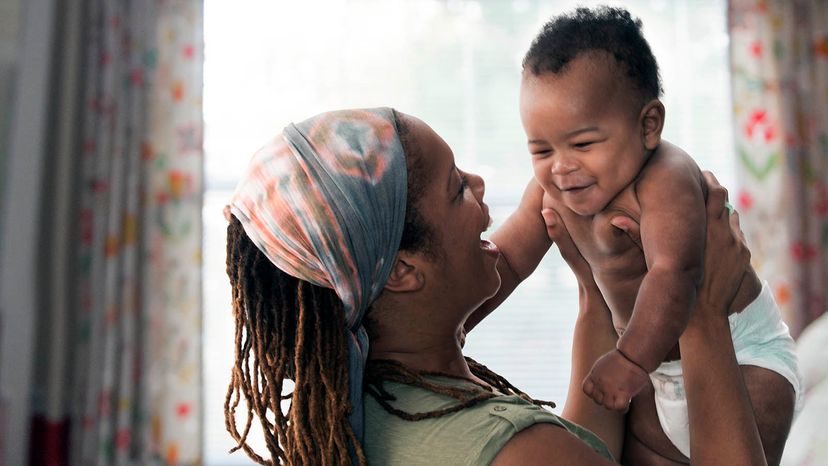
It starts with a dull ache. Then it turns into a sharp twinge when you lift your baby. You know the move. You slide your hands under their armpits, engage your core, and hoist that hundred-pound lump of pure energy into the air. Suddenly, your wrist flares. The base of your thumb feels swollen, tender, maybe even stuck.
If you’re a new parent, you’ve likely felt this. It’s not just fatigue. It’s a specific injury.
Doctors call it de Quervain’s tenosynovitis. Say that three times fast. Most people just call it “mommy thumb.” It sounds cute until your thumb locks up and refuses to cooperate. But are mothers the only victims? The data says no.
The Anatomy of the Pain
To understand the pain, you have to look at the hardware. Your thumb relies on two tendons to move. They run from your forearm, down to your wrist, and into your thumb. They travel through a tight tunnel along the radius bone.
This tunnel is lined with the tenosynovium. Think of it as a lubricating sleeve. It keeps the tendons sliding smoothly as you pick things up, turn doorknobs, or cradle a newborn.
When that tissue gets irritated, inflammation sets in. The tunnel swells. The tendons swell. Now you have a traffic jam in a single-lane road. Movement becomes painful. Sometimes, the tendon physically catches, causing that signature “click” or lock. This is the same mechanism behind trigger finger, just in a different location.
Who Actually Gets It?
We’ve all seen the images of exhausted parents holding their babies. It’s easy to blame the lifting. And yes, lifting a baby repeatedly is a major culprit. So is holding your infant’s head while breastfeeding with your thumb cocked awkwardly.
But it’s not just new moms.
Researchers found that fluid retention during and after pregnancy plays a role. That extra water weight presses on tissues already under stress. Texting doesn’t help, either. Constant swiping and gripping strains the same tendons. Past injuries that left scar tissue can make the area more susceptible to re-injury.
The U.S. Navy looked at years of data to find the highest-risk groups. The results were specific. Women are at higher risk. Patients over age 40 are at higher risk. Black patients are also identified as a high-risk demographic in these studies.
“A quarter to half of all new mothers will experience mommy thumb.”
That statistic is staggering. It means between 25% and 50% of new parents will deal with this pain. It’s not a rare anomaly. It’s a common side effect of the job.
But here is the twist. The Navy data shows it’s not exclusive to mothers. Any parent who lifts their child frequently is at risk. So are office workers. Are you a tech worker who swipes all day? You’re in the danger zone too.
The injury doesn’t care about your parental status. It cares about repetition. It cares about inflammation. And it cares about anatomy.
So, is it just bad luck? Or is it a warning sign from your body that the mechanics of your daily routine


Healing Mommy Thumb
Mommy thumb usually fades with time and rehabilitation. It feels impossible to stop lifting the baby when you are holding them. But a sore tendon is painful. Ibuprofen and other NSAIDs ease the pain. You cannot always rest.
When you have a moment, ice the thumb. Keep it neutral. Imagine your hand floating in a hot tub. That is the position. A wrist brace helps. It stabilizes the joint. It serves as a reminder to be gentle.
Recovery starts with movement. Try gentle stretches once pain subsides. Strengthen the muscles slowly. Change how you lift. Use your palms. Do not let your wrists do all the work.
Breastfeeding or pumping causes strain too. Support the baby’s head with a pillow. If you scroll on your phone during these breaks, use your index finger. Let your thumb rest.
Carpal Tunnel vs. De Quervain’s
Carpal tunnel syndrome shares symptoms. Pain appears in the wrist. The causes differ. CTS involves pressure on the median nerve. This nerve runs through the carpal tunnel. It is on the palm side of the wrist.
Mommy thumb affects the thumb side. Both injuries stem from repetition. They involve different structures. The wrist is an intricate joint. Understanding the difference matters.


