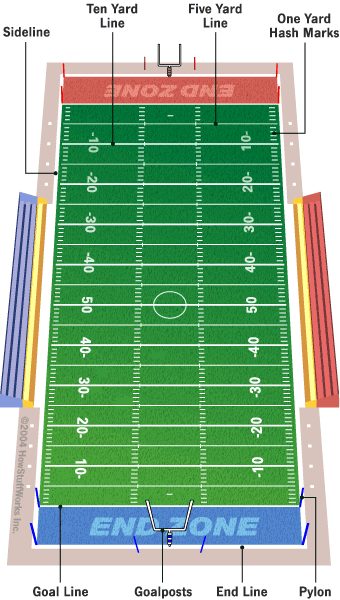
American football is more than just scoring points on the board. This is a territorial war. When two teams line up, they fight for every inch of grass. The goal is simple, but brutal. Protect your end zone as you march toward the enemy until you cross the goal line for a touchdown or kick a field goal. To understand the game, you need to understand the battlefield. The NFL’s official gridiron is a rectangle that is 120 yards long, 53 feet wide and 1 yard wide. If you want to use the metric system, that would be 110 meters x 49 meters, but in this sport everything is measured in yards. Most outdoor stadiums have natural grass, but domed stadiums have artificial grass. But looks aren’t as important as stakes. Every yard gained or allowed determines the difference between a win and a loss.
烤架的解剖
该领域本身就是精确几何学的研究。 每五码就标有码线,码线之间有散列标记,以指示球放置的确切位置。 端区深 10 码,涂有球队颜色,并标有球队名称或标志。 边线沿着整个长度延伸,边界线定义了界内和界外。
足球是一项以英寸为单位的运动,场地以码为单位。 球队的成功取决于他们积累或允许的码数。
这种布局并不是任意的。 它创建了一个战略画布,每场比赛都在其中展开。 进攻方试图将球移至前场,而防守方则试图在他们到达达阵区之前阻止他们。 场地的尺寸决定了比赛的节奏、踢球范围以及每个球员所需的空间意识。
Why Yardage Matters More Than You Think
You might think that only points matter. This is not true. Yards are the currency of the game. The first down takes 10 yards. If you forget it, a fourth failed gamble awaits you. When you get it, you get a second chance. This interaction determines which team controls time and which team stays on the field. NFL field-specific metrics ensure every play makes an impact. A 3-yard gain feels like nothing. A 40-yard gain changes the dynamic. This field is designed to assess accuracy and penalize errors.
草地与草皮:它会改变比赛吗?
一些球迷认为表面类型会影响比赛风格。 天然草的速度可能会比较慢,尤其是在潮湿的天气里。 人造草坪提供了稳定性,但对球员的关节来说可能会更困难。 在寒冷的气候下,草会变成泥。 在干热下,它会变干。 草坪保持均匀。 但无论表面如何,规则都是一样的。 字段尺寸不会改变。 码线不会移动。 领土争夺战保持不变。
球场上的下一步是什么?
了解该领域是第一步。 接下来,您需要了解职位。 谁在哪里排队? 每个玩家做什么? 进攻和防守计划如何利用空间? 场只是方程的一半。 上面的人让它生机勃勃。 您将了解四分卫如何解读防守、边锋如何阻挡以及接球手如何创造分离。 但这一切都取决于知道球在哪里以及有什么可用空间。 球场搭建了舞台。 球员们
The limits that define gridiron
The field is not just grass. It is a measured rectangle defined by lines that define where the game starts and ends and whether it counts.
Sideline extends the entire length of the field. It is six feet wide. This boundary separates the playing field from the out-of-bounds area. If the player or the ball goes over it, the down is dead. On the opposite side, another sideline reflects this exactly.
These two parallel lines meet at the back. Here you will find the end line. It connects the sidelines and completes the rectangular shape of the border. The corners where the end line meets the sideline are flanked by two pylons. These bright orange markers indicate the exact game limit. They are not just decorations. They are physical evidence of touchdown.
Inside the end zone
Behind the end line is the end zone. This area is ten yards deep. There are two of them, one at each end of the 100 yard field.
The rules are simple, but directional. The end zone behind the team is their own. The end zone in front belongs to the opponent. You score by passing the ball into that space.
The boundary between the field and the end zone is the goal line. It’s an 8-inch-wide line that runs across the front of the end zone. Just like the back, there are pylons at the ends of this row. They mark a critical threshold. A ball that breaking the plane changes the score.
gridiron grid
The 100 yard field is located between the two goal lines. This is where the action happens.
The surface is marked with hash marks on both sides. These show each yard. A solid white line runs from sideline to sideline every Fifth yard. Every ten yards these lines are numbered: 10, 20, 30, 40 and so on.
This grid pattern is the reason why the sport is called “gridiron gridiron”. A visual grid helps referees, players and officials to track the distance instantly. Without these markers, measuring progress would be just a guess.
target
Behind each end zone is a goal post. It is centered and rigid.
A vertical pole rises from the ground. It extends to a height of ten feet high before being connected to a horizontal crossbar. This crossbar is 18 feet six inches wide. At each end of the crossbar, a vertical post extends another 30 feet above the ground.
A ribbon hangs from the top of each pole. It is four inches by 42 inches. The ribbon captures the wind and gives kickers a visual indication of alignment and wind direction. Missing the uprights by inches, the points become nothing. The structure remains static. The margin for error does not.
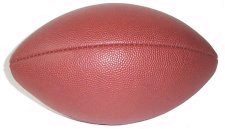
The game starts with the ball. It’s not just prop. That’s the point. Handmade by Wilson Sporting Goods. You have a oblong leather ball. Lengths range from 11 inches to 11.5 inches. The lengthwise circumference is approximately 28.5 inches. The width is narrow, about 21.5 inches in the center. Weight? That’s about 14-15 ounces or 397-425 grams.
There is a polyurethane bladder inside. It is inside a cowhide cover. The whole thing is tied together with gridcord. Grid wire is basically cotton cord wrapped in vinyl. It’s tough. A three-layer synthetic lining inside the leather protects the bladder. Helps the ball maintain its unique elongated shape. The valve protrudes from the leather. Inject air into it. You can’t throw a spiral without pressure.
When you have a ball, you need a clock. There are four quarters in an NFL game. Each quarter is 15 minutes long. There is a long break between the second and third quarter. If the score is tied after four quarters, the game goes to overtime. That period is also 15 minutes. The first team to score wins. No more playbooks. There are no more complex strategies. Just score.
You might think the game is only an hour long. This is not true. It takes 3-4 hours to watch. Why? The clock stops. Teams can stop it by running out of bounds. They stop it with an incomplete pass. They called a timeout to stop the game and get three per half. The league has two minutes warnings. These happen before the end of the second and fourth quarters. Time bleeds away in stoppages.
The Football Offense
现在看看球员们。 一支球队名单最多有 53 名球员。 但在球场上呢? 每边只有11个。
要了解名单,您必须将团队分为三组。 有冒犯 。 有defense 。 还有special teams 。 每个单位都有特定的positions。 每个positions都需要特定的技能。 我们先来看进攻。
The Field General Calls the Shots
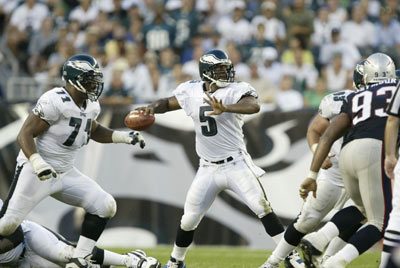
The offense has one job: move the ball down the field. This happens either in the air or on the ground. They need to get into the end zone. For this, they rely on certain roles. The quarterback is at the top of the hierarchy.
This player is throwing passes. He also hands off the ball to running backs. He is the leader of the field. People call him “The General” for a reason. He sees the entire defense. He makes the calls. Without him, the play fails.
Who makes up the offensive front?
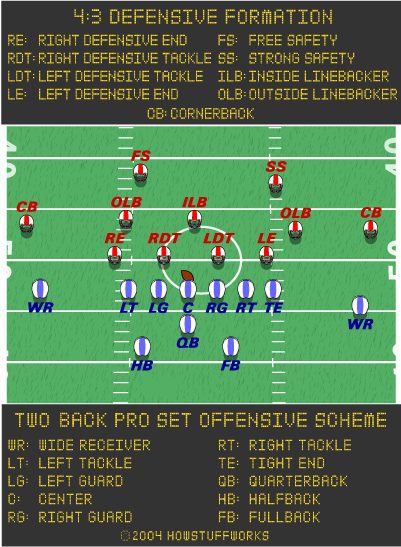
The offensive line is the unsung engine room. They don’t get the headlines. They don’t catch the touchdowns. They block. That’s it. And it’s complicated.
You have five guys standing shoulder-to-shoulder before the snap.
Start in the middle. The Center (C) is the anchor. He lines up between the two guards. His job? Get the ball. He hikes it between his legs to the quarterback. It’s a simple motion. It’s also the most critical first step of every play. Mess it up, and the offense stalls before it even starts.
Flanking the center are the Guards (LG/RG). They handle the interior rush. If the defensive line tries to crash through the middle, the guards eat them up.
On the outside? The Tackles (LT/RT). They’re the last line of defense against edge rushers. They protect the quarterback’s blind side. They keep the passing lane open. Without them, the quarterback gets sacked. Simple as that.
Every team needs two guards and two tackles. Plus the center. Five bodies. One job.
Who catches the ball?
Once the quarterback has the ball, he looks downfield.
That’s where the Receivers come in.
They run routes. They create separation. They catch passes.
There are two main types.
First, the Wide Receivers (WR). They line up wide. Near the sidelines. They’re fast. They’re agile. They stretch the defense horizontally. When you see a deep pass, it’s usually going to a wide receiver.
Then there are the Tight Ends (LTE/RTE). They line up next to the tackles. Sometimes on the line of scrimmage. Sometimes in the backfield. They’re bigger. Stronger. They block like linemen. But they also catch passes like receivers. They’re the swiss army knives of the offense.
Which one does the quarterback choose? Depends on the play. Depends on the defense.
Who carries the rock?
The Running Backs.
They take the handoff or the pitch. They run up the middle. Or around the edge. Or out of the backfield as a receiver.
But not all running backs are created equal.
The name changes based on the formation.
In a traditional set, you might have a Fullback (FB). He’s the lead blocker. He clears the path. He doesn’t get many carries. He takes the hits.
Then there’s the Halfback (HB). Or the Tailback (TB). These are the primary ball carriers. They’re faster. More elusive. They’re the ones making the big plays.
In modern football, the terms blur. A halfback might block like a fullback. A fullback might catch passes like a wide receiver.
But the roles are clear.
One blocks. One runs. One catches.
Who’s your favorite?
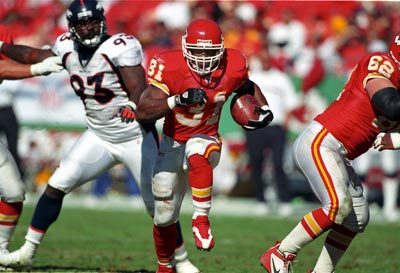
Defense is not just about stopping the opposing team. It’s about forcing mistakes. If the ball is out of your team’s reach, the goal is simple. Don’t let your team score. However, the executions were chaotic, violent and precise. Players have to deal with aircraft carriers. They have to steal the ball. They must interfere with the timing.
This structure is based on certain roles. The turnover would have turned the 4-yard gain into a touchdown.
前四名:压力与控制
防守前锋是混乱的第一线。 他们的主要工作是击中四分卫。 不是在他投掷之后。 前。 如果他们能解雇他,整个比赛就崩溃了。
它们还堵塞了跑道。 你通常会看到三四个人在前面。 设置根据方案而变化。
防守端 在外侧排列。 他们是冲刺者。 他们试图绕过进攻截锋,利用速度和敏捷性来突破拦网。 将它们视为边缘掠食者。
鼻铲 是一种不同的野兽。 他直接在中心上方排队。 他的工作是占领多个拦截器,以便其他人可以自由流动。 这是一份普通人的工作。 他控制着争球线。
防守截锋 与后卫对齐。 他们突破了内线。 他们的目标是突破差距,扰乱跑动和传球路线。
Defender: Swiss Army Knife
Behind the linebacker are the linebackers. They are defensive coaches on the field.
A four-man team usually includes one middle linebacker (MLB) and two outfielders (OLB). The person in the middle reads the script. He fills that void. He asked for an adjustment.
The group changed to a front of three, and their roles changed again. Two Inside Linebackers (ILB) and two Outside Linebackers (ILB/OLB Hybrids) are available.
Their work is a hybrid. They support the linemen. Includes runners trying to bounce to the outside. They go into coverage to catch receivers crossing the line. For a moment they attack. One moment they attack. Next, they guard the tight end of the zone.
It requires football IQ. And speed. Read the quarterback’s eyes even before he passes.
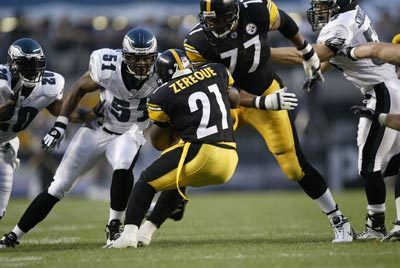
Defenders are like machines and every gear matters. Cornerbacks are the first line of defense against aerial attacks. Their work is simple in theory, but brutal in practice. It’s all about shutting down wide receivers. They don’t just react, they anticipate. They expect the quarterback to use his hands to break up his throws before they reach the target. It’s a game of inches and timing.
Then there is the secondary’s safety net. Safeties hang deep and protect the backfield from big plays. You’ll often see two distinct roles here. Strong Safety (SS) Provides more offensive weapons for a sideline that reads offensive formations and reacts to runs and short passes. Free Safety (FS) is located in the middle of the field, far behind the other players. If all else falls apart, they are the last hope.
“The free safety is often seen as the quarterback of the defense, directing the defense and coordinating the entire secondary.”
When the offense finally runs out of downs or a field goal, the game changes forever. Special Teams take the field. This is where field position is won or lost amid the chaos of punt returns and blocked kicks. It’s a completely different beast.
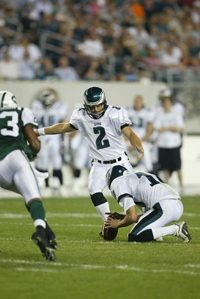
Special Teams: The Unsung Heroes
Forget the quarterbacks for a second. You want to see real tension? Look at the special teams unit. This is where the game often hangs in the balance, and if you are looking for how special teams impact football strategy, you need to understand the trio that defines this phase: the placekicker, the punter, and the returner.
When the offense stalls, the special teams take over. It’s a chaotic mix of linemen, blockers, and speedsters trying to change field position or put points on the board.
- The Placekicker : This is the guy with the clean leg. He handles the scoring kicks through the uprights for field goals and extra points. But he’s also the one who kicks the ball off to start every half and after every score. His job is precision under pressure.
- The Punter : When the offense is stuck and fourth down is looming, the punter steps in. He free-kicks the ball away, sending it high and deep to pin the opposing team back near their own goal line. It’s not about scoring; it’s about territory.
- The Returner : Here’s where the drama lives. On a kickoff or punt, the returner catches the ball and tries to run it back as far as possible. Can he break a tackle? Can he find a lane? A skilled returner can turn a routine kick into a highlight-reel touchdown.
The stakes are high. A bad bounce, a missed block, or a weak return can swing momentum faster than any touchdown.
The Battle for Possession
The game starts with a coin toss. Winners choose whether to kick or receive. Losers pick the goal end they want to defend. From there, it’s a war for possession —control of the ball by the offensive unit.
How do you get it? It’s not just about kicking off. The ball changes hands in several gritty ways:
- Receiving a Kickoff : Standard procedure. Your team gets the ball at the start of each half and after the other team scores.
- Turnovers : The lifeblood of football. A fumble is a dropped ball recovered by the defense. An interception is a thrown pass caught by a defender. These moments shift the entire emotional tone of the game.
- The Safety : The rarest and most demoralizing result. If an offensive player is tackled in his own end zone, the defense gets two points and the ball. The offense has failed to even get out of their own end.
- Punting : When the offense fails to move the needle, they punt. It’s a surrender of possession to avoid giving the opponent short field position.
- Turnover on Downs : The offense runs out of time. They fail to gain 10 yards in four attempts. The ball turns over on the field. No points. Just possession.
Decoding the Down-and-Distance System
If you’re new to the sport, this is where you might get lost. Why four downs? Why 10 yards? It’s the engine that drives every decision on the field.
Every time a team gains possession, they are given four downs (attempts) to move the ball 10 yards forward.
- If they succeed, they get a first down. That resets the count. They have four more downs to go another 10 yards.
- If they fail, the pressure mounts.
Let’s break it down. Suppose a team is at their own 20-yard line.
- First Down : They gain 3 yards. Now it’s Second and 7 (7 yards to go for a first down).
- Second Down : They run the ball and gain 5 yards. Now it’s Third and 2.
- Third Down : This is the crunch time. If they gain 2 yards, they hit the 10-yard marker. First down again. Fresh set of four downs.
But what if they only gain 1 yard on third down? Now it’s Fourth and 1. They are one yard away from a first down, but if they fail, they turn the ball over on downs.
Here, teams face a critical choice: punt or go for it?
Punting kicks the ball to the opponent, usually starting their drive deep in their own territory. It’s a defensive play disguised as offense. You’re not trying to score; you’re trying to make the other team work for every inch.
Going for it on fourth down is a gamble. If you succeed, you keep your drive alive. If you fail, the other team gets the ball right where you left off, often in scoring position. Coaches analyze the math, the score, and the time left. Sometimes they punt. Sometimes they bet the season on a single play.
Measuring the Battle
How do officials know if a first down was made? It’s not just a guess.
After every play, officials measure the distance. The ball is placed at the spot where the play ended. This line is the line of scrimmage. It’s an imaginary boundary that runs across the width of the field and marks the start of the next play.
On the sidelines, a chain crew works the field. They hold a 10-yard-long chain between two poles. One pole stays fixed on the spot needed for a first down. The other moves with the ball. If the nose of the football crosses the front pole of the chain, it’s a first down.
This system ensures fairness. In close calls, the chain crew might even come onto the field to measure. It’s mechanical, precise, and utterly essential.
The Ultimate Goal
All this complexity—the downs, the punts, the chains—serves one purpose.
Touchdown.
You move the ball over the opponent’s goal line. That’s it. Everything else is just the path to get there. The strategy, the stats, the special teams nuances—they all funnel into that single act of crossing the plane.
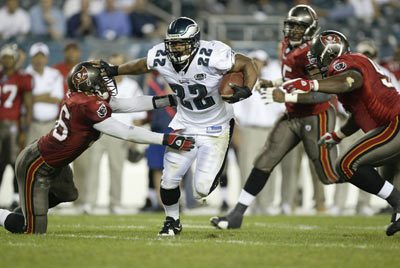
The finish line is not just a limit. That’s the finish line. If any part of the football crosses this white line, it is in the end zone. Touchdown. Commentators like to say that the ball “broke the plane,” which is just a fancy way of saying that the nose of the ball touched the imaginary scoring line extension in the air. But the scoring is not the end of the drive. It is the beginning of a new phase.
After a touchdown, the offense is not walk away. You get a chance to add points. You can kick an extra point or opt for a two-point conversion. The latter is all or nothing. One play. One shot. If it works, you get two more. If it fails, you get nothing. The defense earns not get the ball back before the kickoff unless there is a safety.
Breaking down every way to get points on the board
Football scoring is easier than it looks if you cut out the jargon. You don’t guess. You count. Here’s exactly what each move earns.
Touchdown
Take the ball to the end zone or catch it from there.
6 points
This is the big one. The primary scoring. Whether it’s a run, a pass or a pick six: If the ball breaks the plane while in possession, six points are on the board.
Extra Point
Kick the ball through the uprights after a touchdown.
1 point
It’s a safe bet. The ball is placed on the 15 yard line for a kick. Most teams take this. For good kickers, this is almost automatic.
Two point conversion
Run or pass the ball into the end zone from the two yard line.
2 points
High risk. High reward. You try to do what you just did to get the scoring, but much closer. Coaches use this when they are behind and need a lead, or when they have a small lead and want to extend it.
Field Goal
Kick the ball through the uprights from open play.
3 points
Miss a touchdown? Try the field goal. The ball is placed at the spot, usually inside the 20-yard line. That’s three points on a more difficult attempt than an extra point, but still easier than a touchdown.
Safety
Tackle the offense in your own end zone.
2 points
Rare. Rarely exciting for the defense unless the team is down 10 with two minutes left. Defense gets points. They also get the ball back with a free kick. It’s a momentum shifter.
When the clock stops and the ball changes hands
Scoring changes the flow of the game. After a field scoring or extra point touchdown, the kicking team must kick the ball to the opposing team. Kickoff. The other team takes over.
But safety is a different matter. It is the only score that gives the ball to the scoring team. The defense scores and then receives the ball. It’s a rare turnaround. Typically, the team that just scored or scored a scoring loses possession. Not with a safety.
The people who enforce the
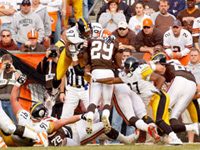
The Hidden Third Team: How NFL officials and rare penalties shape the game
The players are in the picture. I see a crowd. But take a closer look. Directly behind the main event is a official in black and white stripes. He is part of the third team on the field. The game is not just offense versus defense. It is also important that the crew follows the rules.
They wear vertical striped shirts. White pants. A hat, either white or black. Their work is rigorous. They follow the guidelines of the NFL Rules Committee. There are six men in the crew. Each has a specific role.
The Six Officials and Their Roles
The referee is the boss。 他戴着一顶有白色条纹的帽子。 他发出信号。 他是任何规则争议的最终权威。 当你听到公告时,就是他。
The umpire hangs back。 他将自己定位在争球线后约五码处。 他留意设备问题。 他监视球员的行为。 他从不同的角度寻找非法击球。
The head linesman 站在队伍的一端。 他将其称为infractions along the line of scrimmage。 他tracks the downs。 他管理链条工作人员,确保黄色棍子保持准确。
The line judge 在对面镜像他。 他帮助计时。 在line of scrimmage附近的呼叫中,他为主线裁判提供支持。 他跨坐在line of scrimmage上,密切关注比赛的进展。
The field judge 和side judge在深处巡逻。 他们从距离line of scrimmage 20 码的地方开始。 他们观察外接手。 他们追踪背部。 他们观察球员是否出界。 场裁判与司线裁判在同一侧。 边裁与主裁位于同一边。 他们分割了深场覆盖范围。
The back judge 是最深的官员。 他站在线外 25 码处。 他关注近端锋。 他看到了blocks the tight end makes。 他还负责管理比赛时钟。 他tracks the 25-second count。 他calls timeouts and intermissions。
The Yellow Flag and Rare Penalties
If the rule is broken, a yellow flag will fly. The officials must react instantly. They have to memorize complex rules. Here are some things you might not know.
Clipping is a block from behind. It targets the back of an opponent. This is illegal.
A chop block hits below the waist. This is dangerous. This can cause serious injuries to the legs. The offense loses 15 yards for this infraction.
Encroachment happens when the defender enters the neutral zone. The neutral zone is the length of the football. It separates the teams before the snap. Only the center can enter it legally to snap the ball. If a defensive player touches an offensive player early, the offense gains 5 yards.
Too much crowd noise can be harmful to the home team. If the referee thinks the fans are too loud, he can penalize the team. They lose 5 yards. Or miss a timeout.
A fair catch The signals are simple. The receiver raises his hand. He says he will not return the ball. When this happens, he cannot be tackled. He also cannot advance the ball past the catch spot.
Intentional grounding is a QB’s last resort gone wrong. If the quarterback is in the pocket, he must throw the ball safely. The pocket is the space that the offensive linemen protect. A penalty is awarded if the ball is thrown away to avoid sacks behind the starting line.
Jump rules are specific. Players can block kicks. However, he cannot do it more than 1 yard behind the line. If the defender is lined up within 1 yard of the line, you can jump. Also, if a player runs from behind and jumps on another player, it is a foul. The penalty is 15 yards.
The folding rule confuses many people. The quarterback throws the ball while moving his arms forward to push the ball. This is an incomplete path. This is not an error. Progress defines it.
There is a reason for the “Emmitt Smith” helmet rule. Players are not allowed to take off their helmets on the field. Unless they’re getting ready. Emmitt Smith, the all-time touchdown leader, often took off his helmet in celebration. The NFL prohibits this in an effort to curb excessive celebration. The penalty is 15 yards.
See the NFL Rules Digest for more information. The game is complicated. The rules are even more so.
How #NFL’s instant replay rule works for coaches and refs
At the moment, 20 cameras are monitoring the disturbance on the field. In 1999, the NFL finally added instant replay to keep the officials honest. Each camera angle provides a different perspective, giving replay personnel enough information to dispute erroneous calls.
But not everything can be reviewed.
Coaches should be proactive in requesting reviews. They throw a red flag onto the field to challenge the referee’s decision. Each team gets two challenges per game. It’s a gamble. If the challenge fails, the original call stands and you will lose a time-out. If you win, the call is canceled and the timeout remains.
Timing is important. You must throw the flag before the next play begins.
Also, challenges cannot be attempted in the last two minutes of either half. This slot is reserved for the booth.
The official Replay Assistant will take over during the last two minutes and overtime.
There is no limit to the number of reviews that can be requested.
When a play is challenged, the referee has 90 seconds to make a decision. He steps down to a monitor to watch the video.
The actual review looks like this.
- Scoring plays
- Is the pass complete, incomplete or intercepted
- If the player goes out of bounds
- Who picks up the loose ball
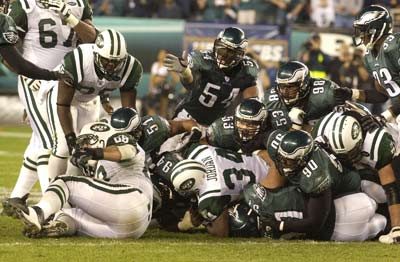
Officials don’t have magic crystal balls. They rely on a strict protocol to deal with chaos of a loose ball. If play is stopped, the decision depends on the specific act that caused the ball to be lost.
The criteria are precise. It depends on how the ball was lost or who touched it last.
- Illegal passes: This includes throwing a pass to an ineligible receiver or passes caught beyond the line of scrimmage.
- Incomplete pass or fumble: The quarterback throws the ball forward and either the ball hits the ground or the running back loses the ball.
- Runner down by contact: An opponent tackles or touches a player while he is in possession of the ball.
- Touching of a kick: The ball is punted or kicked and touched by a player before it is recovered.
- Number of players: The difference in the number of players on the field.
These rules are more than just red tape. These provide a framework for consistency. Officials train tirelessly to detect these nuances in real time. While human error is inevitable, their expertise most often leads to the right decisions.
“Officials may not be right 100% of the time, but they have a trained eye and know they are right most of the time.”
Understanding these differences will help fans understand the whistle. It tells you why the game was stopped, who had the ball and how to restart the game.
For those who want to dive deeper into how the game works, there are resources that detail the complex interactions between players and officials.
Understanding the Mechanics
In addition to immediate ruling, fans often look for background on the NFL’s broader systems governing the NFL.
- Football Quiz: Test your knowledge of rules and history.
- How Fantasy Football Works: Strategic aspects of player selection and scoring.
- How the NFL Draft Works: The process of acquiring new talent.
How NFL Equipment Works: The technology behind the helmets and pads. - How Physics of Football works: The science of throws, tackles and kicks.
- How First-Down Line works: Virtual tagging and its impact on strategy.
- How the NFL Salary Cap Works: Financial constraints that affect rosters.
Official resources
As for primary sources, several websites provide reliable information.
- Official NFL Website: Central to league news and rules.
- CBS SportsLine.com: Official NFL Signals: A visual guide to the referees’ calls during the game.
- Wilson Sporting Goods: How to Make a Football: The craftsmanship behind the game ball.
- The Straight Dope: Why is a football called a pigskin? A historical overview of this nickname.
- NFL Digest of Rules: Full text of current rules.
The game progresses quickly. The rules keep it moving.