Bile reflux occurs when bile, a digestive fluid from the liver, flows back up into the esophagus. While no diet can cure bile reflux, managing your food choices can help ease discomfort, particularly if you also experience acid reflux. The key takeaway is that diet can help manage symptoms, but isn’t a standalone treatment. If symptoms are severe, medical intervention – including medication or surgery – may be necessary.
Understanding Bile Reflux and Acid Reflux
Many people experience both bile and acid reflux simultaneously. Acid reflux happens when the lower esophageal sphincter (LES) – a valve between the stomach and esophagus – opens inappropriately, letting stomach acid rise. Dietary changes primarily target acid reflux symptoms, as there’s less direct evidence linking lifestyle to bile reflux itself. However, reducing acid reflux can indirectly improve overall discomfort.
Dietary Strategies for Relief
Several food choices can potentially reduce symptoms. The goal is to avoid foods that weaken the LES or increase stomach acid production:
- Limit Fatty Foods: Fat relaxes the LES, slowing digestion and increasing reflux.
- Avoid Alcohol: Like fat, alcohol weakens the LES and irritates the esophagus.
- Reduce Irritants: Caffeinated and carbonated drinks, citrus fruits, chocolate, vinegar-based dressings, onions, mint, tomato-based foods, and spicy dishes can all worsen symptoms.
Consider these lower-fat alternatives:
- Low-fat dairy
- Egg whites
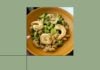
- Lean seafood (crab, shrimp, tuna in water)
- Beans, lentils, and peas
- Oatmeal, rice, and noodles with light sauces
- Fruits and vegetables
Eating smaller, more frequent meals and staying upright for 2-3 hours after eating can also help. For overweight or obese individuals, weight loss can reduce reflux likelihood.
Fiber’s Role in Bile Management
While research is limited, dietary fiber may play a role. Fiber interacts with bile acids, potentially reducing their levels.
There are two main types:
- Soluble Fiber: Forms a gel-like substance, lowering cholesterol and helping remove bile acids from the body. Found in fruits, vegetables, oatmeal, nuts, seeds, and legumes.
- Insoluble Fiber: Adds bulk to stool, aiding digestion.
Animal studies suggest fiber reduces bile acid levels, but human studies are still needed. Increasing soluble fiber intake may be beneficial overall for people with reflux.
When to Seek Medical Help
Dietary adjustments can help manage discomfort, but they aren’t a cure. If symptoms persist or worsen, consult a healthcare provider. Medications or surgery may be necessary for severe cases.
“Trial and error is often necessary when treating bile reflux,” and persistent symptoms may require more aggressive intervention.
Ultimately, understanding your body and working closely with medical professionals is crucial for effective management.