Antibody drugs are miracle workers. They cured some things. Stopped others from getting worse. But they hit a ceiling. A physical one. They can’t get in.
Most antibodies work on the surface of cells. Like keychains hanging off the front door. Useless against the furniture inside the house. For decades. Transcription factors driving cancer? Locked behind the membrane. Inflammatory proteins chewing up tissue? Hidden. α-synuclein. The bad protein behind Parkinson’s. Sitting comfortably inside. Out of reach because antibodies are simply too fat to squeeze through cell walls.
So we waited. Or we looked elsewhere.
Tiny Fat Baskets
The trick isn’t to make the antibody smaller. That breaks its function. It’s to hide it.
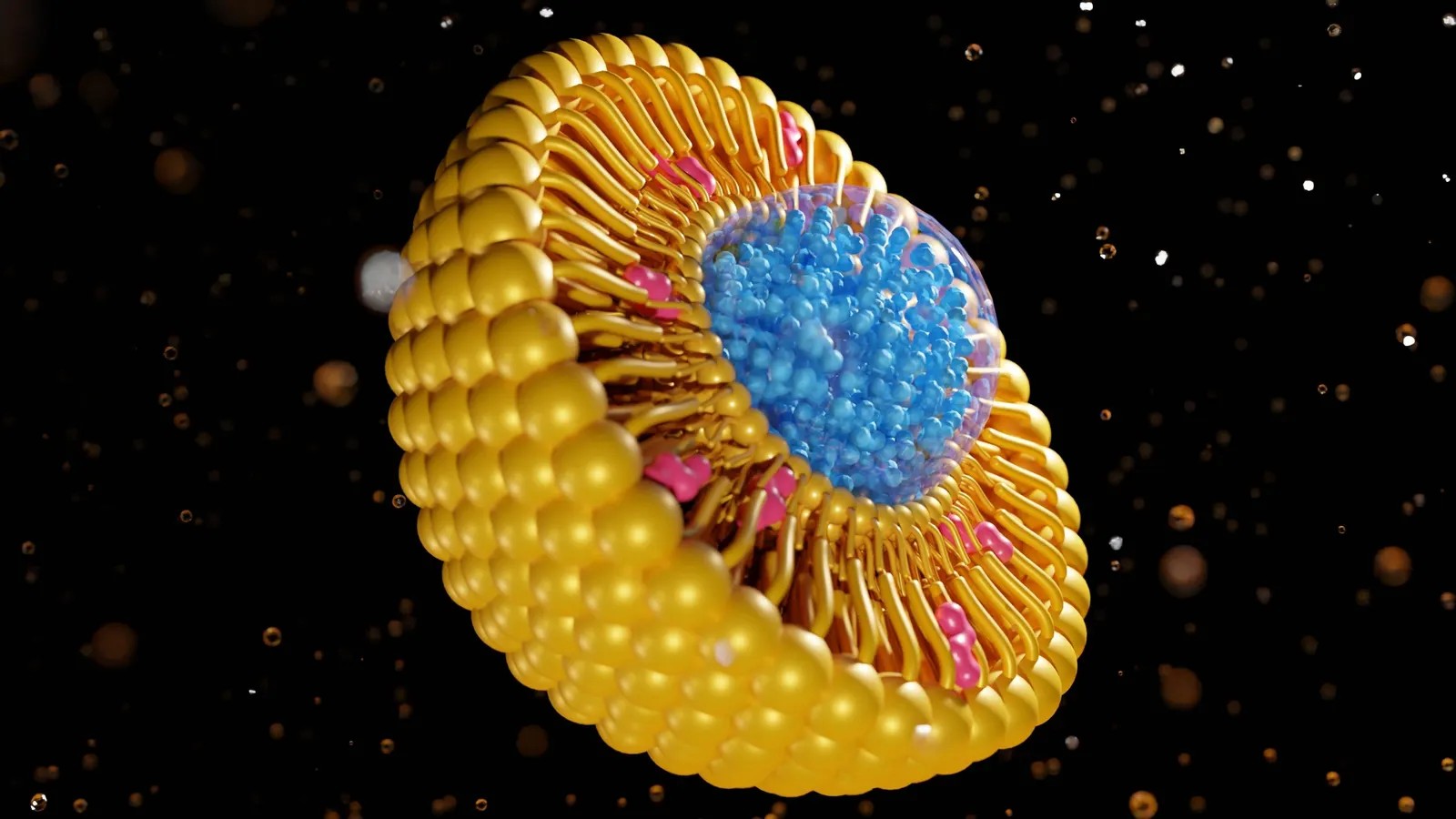
Researchers stuffed full-length antibodies inside lipid nanoparticles. You’ve heard of those. Tiny fat spheres. They’re already in approved vaccines. In approved treatments. Safe enough to inject into humans. The lipid nanoparticle acts as a Trojan horse.
Here’s the chemistry hack. Before packing the antibody, they coat it with negative charges. Makes it sticky for the nanoparticles. Easy loading. Once inside the cell’s cytoplasm. The coating drops off. The antibody snaps back to its normal shape. Ready to fight.
Why does this matter? We don’t have to start from zero. We have thousands of existing antibodies. Great molecules. Wrong delivery method. This platform lets us take a drug made for skin disease or heart trouble and redirect it inside. Just swap the cargo. Keep the truck.
Inside Job
It worked. In petri dishes. In mice.
In cancer cells, the delivered antibodies found transcription factors. The genetic switches that turn cancer on. They jammed the gears. No new genes expressed. Just stalled growth. The system delivered different antibodies for different targets. One delivery mechanism. Multiple missions.
Then came the lungs. A mouse model for acute injury. An inflammatory protein was causing havoc inside lung cells. Systemic delivery. The antibodies got in. Inflammation went down.
But the real test? The brain. The blood-brain barrier is a fortress. Antibodies don’t cross it. Not normally. Not without help. The team used α-synuclein targeting antibodies. Delivered them via these fat nanoparticles. They got into the mice. Into the brains. Into the specific cells driving Parkinson’s symptoms.
Two organs. Lung. Brain. Different barriers. Different rules. Same delivery system handled both.
“Swapping one antibody for another… could adapt it for a wide variety diseases.”
Open Doors
Thousands of antibodies exist right now. In closets. In patents. On shelves. They only work outside cells. So we ignore them? No.
This platform wakes them up. It turns exterior locks into interior keys.
Imagine a drug for an autoimmune issue suddenly reaching an intracellular oncogene. Or a neuro-degeneration marker becoming a treatable target overnight. We stop inventing new bullets for the same wall. We start building doors.
It’s not just about Parkinson’s. It’s about the 80% of disease-related proteins we’ve ignored because we couldn’t see them. We can now.
Will it work for everyone? We don’t know yet. The models were mice. The doses were lab-grade. But the concept holds. The wall is cracked. What happens when you flood the interior?
That’s the next question.