Diarrhea is a common yet disruptive symptom that can stem from a vast array of sources, ranging from everyday dietary choices to serious bacterial infections. Understanding the distinction between lifestyle-induced digestive upset and clinical illness is essential for effective management and knowing when professional medical intervention is required.
Dietary Triggers and Nutritional Sensitivities
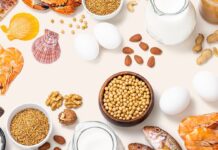
Much of what we consume can directly influence bowel regularity. Many common foods and supplements are known to cause gastrointestinal distress in varying degrees:
Common Food Culprits
- High-Fiber and Gas-Producing Foods: While fiber is generally healthy, sudden increases in intake or specific foods like beans, cabbage soup, and certain salads can lead to bloating and diarrhea.
- Fats and Proteins: Certain individuals may experience distress from consuming red meat, while others find that chocolate (in various forms) acts as a trigger.
- Fruits and Nuts: Specific items like blueberries, citrus fruits (such as oranges), and cashews can cause issues depending on an individual’s digestive sensitivity.
- Processed Ingredients: The use of artificial sweeteners in diet sodas is a documented cause of gastrointestinal upset.
Supplements and Lifestyle Factors
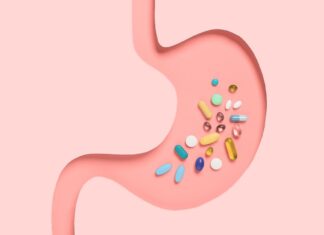
- Creatine: While popular in fitness circles, “loading up” on creatine can lead to significant gastrointestinal distress if not managed carefully.
- Fiber Supplements: While some fiber types can cause issues, others are specifically utilized as tools to help manage and stabilize bowel movements.
Biological and Physiological Causes
Beyond what we eat, our internal biological processes play a significant role in digestive health.
- Hormonal Fluctuations: It is a recognized phenomenon that menstrual cycles can cause diarrhea in some individuals, likely due to shifts in hormone levels affecting the digestive tract.
- Travel-Related Risks: Traveler’s diarrhea remains a common concern for those moving between different geographic regions, often requiring specific prevention and treatment strategies to manage foreign pathogens.
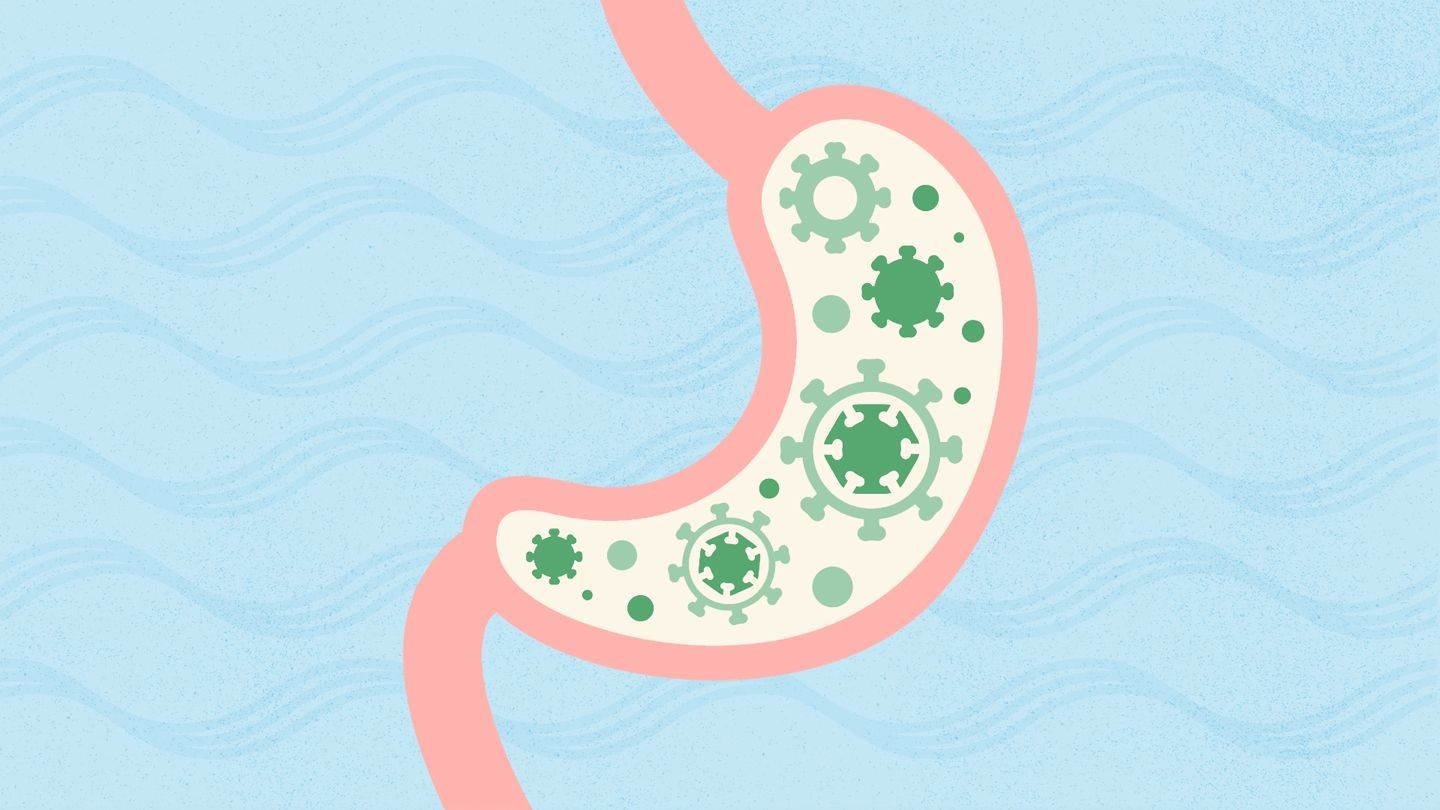
- Infectious Diseases: A growing public health concern is the rise of drug-resistant Shigella in the United States. Unlike standard dietary upset, these bacterial infections are more serious and require targeted medical treatment.
Management and Self-Care
When managing diarrhea, the goal is often to soothe the digestive system and prevent dehydration.
- Dietary Adjustments: Foods like oatmeal can be helpful for settling the stomach, whereas others may need to avoid specific triggers like pancakes or heavy fats during an episode.
- Physical Activity: It is generally advised to avoid strenuous exercise while experiencing diarrhea to prevent further dehydration and physical strain.
When to seek medical attention: While many cases resolve with dietary changes, persistent symptoms, signs of severe dehydration, or suspected bacterial infections (like Shigella ) necessitate a consultation with a healthcare professional.
Summary
Diarrhea can be triggered by a wide spectrum of factors, including specific foods, hormonal changes, and bacterial infections. Distinguishing between mild dietary sensitivities and serious medical conditions is key to proper recovery and long-term digestive health.