The phrase “clean eating” is everywhere – in recipes, wellness trends, and diet advice. But what does it actually mean? The truth is, there’s no single definition. Instead, it’s a flexible concept that generally prioritizes whole, unprocessed foods while avoiding refined ingredients and artificial additives.
Experts like Kitty Broihier, RD, founder of the Eating Habits Lab, point out that “clean eating” often involves focusing on whole foods, drinking plenty of water, and cutting out artificial colors and other common food additives. While there are potential benefits to increasing whole food intake, such as weight loss and reduced inflammation, an overemphasis on dietary “purity” can easily cross into unhealthy obsession.
The History and Modern Interpretation of “Clean Eating”
The term originated in the 1990s within fitness and bodybuilding circles, though its roots trace back even further. As Kara Lydon, RD, an intuitive eating counselor, explains, the idea of a “clean” diet was already present in the 19th century with figures like Sylvester Graham, who advocated for simple, unprocessed foods based on moral purity.
Today, “clean” can mean different things depending on who you ask. Some define it as eating foods in their most natural state, while others focus on organic or minimally processed options. Certifications like “plant-based,” “grass-fed,” or “gluten-free” can also contribute to the perception of foods being “clean.”
As S. Bryn Austin, ScD, a professor at Harvard T.H. Chan School of Public Health, notes, the term sometimes implies being free of allergens, additives, or ultra-processed ingredients. The U.S. Department of Agriculture’s latest Dietary Guidelines for Americans support this trend by encouraging the prioritization of “real food.”
What Foods Fit a “Clean Eating” Approach?
If you’re pursuing a “clean eating” diet, you might focus on the following:
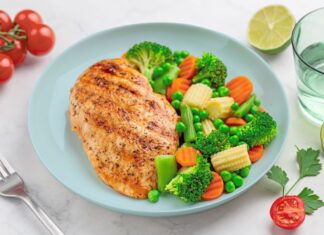
- Whole or minimally processed fruits and vegetables
- Whole grains like quinoa, barley, rye, and oats
- Lean proteins from sources like beans, poultry, eggs, and seafood
- Healthy fats found in olive oil, nuts, seeds, and avocados
Some also prioritize locally grown, organic, or GMO-free foods, as well as home-cooked meals where ingredient control is absolute.
Conversely, “clean eating” often involves limiting or avoiding:
- High-sugar foods like soda and baked goods
- Highly processed snacks and frozen meals
- High-sodium foods like bacon and canned soup
- Foods with artificial ingredients, preservatives, or added colors
More restrictive versions may eliminate dairy, gluten, red meat, or foods containing seed oils.
Does “Clean Eating” Actually Work?
The scientific evidence behind “clean eating” is mixed. Dr. Austin points out that there is no research to support the claim, and a study comparing “clean” recipes with similar ones without the label found no significant differences in salt, sugar, or calorie content. However, diets that emphasize whole foods and minimize ultra-processed options do have proven benefits.
Diets like the Mediterranean or DASH diet, which focus on fruits, vegetables, whole grains, lean proteins, and healthy fats, have been shown to improve health outcomes. Studies suggest that eating less-processed foods may help with weight loss, lower blood pressure, and reduce inflammation.
The Risks of Obsession
Despite these potential benefits, experts warn that “clean eating” can easily become problematic. The term implies that other ways of eating are “dirty,” attaching morality to food and fostering rigid restrictions. This can lead to orthorexia nervosa – an obsession with healthy eating – or even more serious eating disorders like anorexia or bulimia.
Eating disorders have severe consequences for both physical and mental health, including increased mortality rates, depression, anxiety, and obsessive-compulsive symptoms. Additionally, foods marketed as “clean” are not subject to specific nutritional standards, meaning they can still be high in sodium, saturated fat, or added sugars.
How to Approach “Clean Eating” Healthily
If you’re interested in incorporating some principles of “clean eating,” start by:
- Prioritizing Whole Foods: Focus on filling your plate with whole grains, fruits, vegetables, lean proteins, and healthy fats.
- Cooking More at Home: This allows you to control ingredients and portion sizes. Studies show home cooking is linked to better health outcomes.
- Making DIY Snacks: Replace ultra-processed snacks with homemade options like fruit, veggies, cheese, or homemade bread with nut butter.
If you’re struggling with disordered eating or have chronic health conditions, consult a registered dietitian or mental health professional for guidance.
Ultimately, “clean eating” is a flexible concept with potential benefits, but it’s crucial to approach it with caution and avoid letting it morph into an unhealthy obsession. Nutrition labels and ingredient lists provide the most accurate picture of a food’s healthfulness, not vague claims of “cleanliness.”