


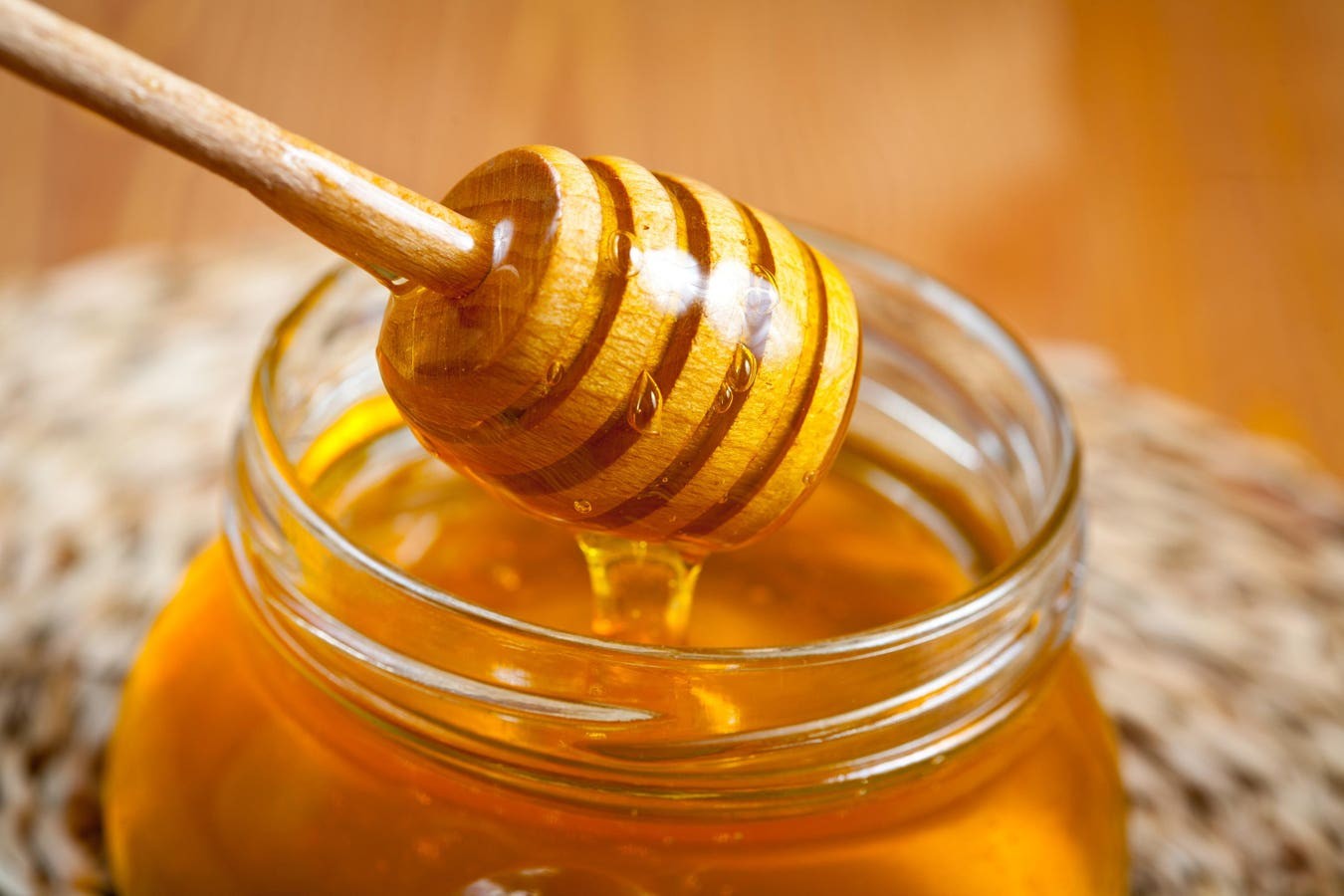
A wave of sophisticated online scams is currently targeting individuals and families affected by Alzheimer’s disease and dementia. Using deceptive tactics, scammers are promoting fraudulent products—often referred to as “Brain Honey,” “Mind Boost,” “Brain Vex,” or “Memopezil” —claiming they can reverse cognitive decline or cure dementia.
The Anatomy of the Scam
These fraudulent advertisements do not rely on scientific merit; instead, they utilize a well-worn playbook of digital deception to build unearned trust:
- Fake Celebrity Endorsements: Scammers use the names and images of high-profile figures to lend credibility to their claims. Celebrities such as Bill Gates, Steve Martin, Samuel L. Jackson, and Chris Hemsworth are frequently cited as supporters.
- Fabricated News Reports: Many ads feature doctored screenshots of legitimate news outlets, including CNN and ABC News, to make the claims appear as though they are breaking news.
- The “Hidden Truth” Narrative: The marketing often employs a classic conspiracy trope, suggesting that “established medicine” or “the medical establishment” is suppressing a natural remedy to protect their profits.
- Artificial Social Proof: Posts often boast thousands of “likes” or positive comments. However, fact-checkers note that these high engagement numbers are frequently generated by bots to create an illusion of widespread approval.
Exploiting Real Philanthropy
The scammers are particularly predatory in their use of Bill Gates’ name. They exploit the fact that Gates is a genuine benefactor of neurological research, having committed $100 million toward finding new approaches to dementia.
By linking his real-world philanthropy to fake “breakthroughs,” scammers aim to bypass the skepticism of victims. While Gates does fund Alzheimer’s research, there is no evidence that he has ever endorsed or sold any products under names like “Brain Honey” or “Memopezil.”
Science vs. Scams: What is the Truth?
It is important to distinguish between nutritional science and fraudulent medical claims:
- The Kernel of Truth: There is limited scientific evidence suggesting that honey, due to its high polyphenol content, may offer minor benefits for brain function.
- The Missing Link: Crucially, these benefits have not been proven through clinical intervention studies. There is currently no scientific basis for the claim that honey-based supplements can “stop brain degeneration” or cure Alzheimer’s.
- The Reality of Research: In the scientific community, a genuine breakthrough would undergo rigorous peer review and be reported globally by reputable medical journals, rather than appearing solely through suspicious social media ads.
How to Protect Yourself
The rise of these scams highlights a growing trend of “medical misinformation” designed to exploit the desperation of those facing terminal or degenerative illnesses. To avoid falling victim:
- Verify the Source: If a celebrity or news anchor is endorsing a product, check their official, verified social media accounts.
- Be Skeptical of “Miracle Cures”: Any product claiming to “reverse” a disease that currently has no known cure should be treated with extreme caution.
- Consult Professionals: Always speak with a licensed medical doctor before starting any new supplement regimen for cognitive health.
Conclusion: The “Brain Honey” advertisements are a coordinated scam using fake news and celebrity imagery to sell unproven supplements. Always verify medical claims through official healthcare channels rather than social media advertisements.


