


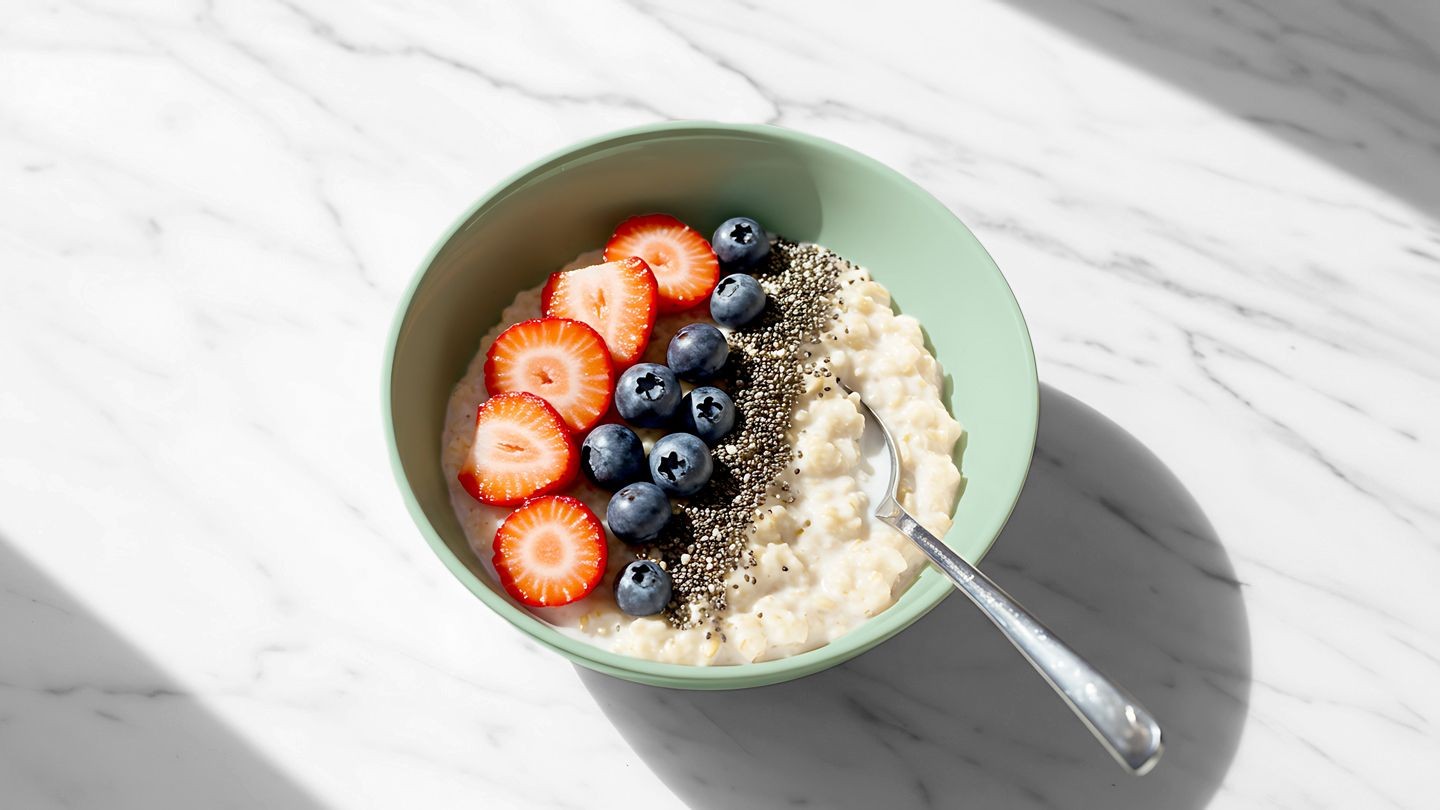
While many view fiber simply as a way to “stay regular,” its role in the human body is far more profound. Fiber is a type of carbohydrate that the body cannot digest, but rather than being wasted, it serves as a critical fuel source for the gut microbiome —the vast ecosystem of bacteria, fungi, and microbes living in your gastrointestinal tract.
Maintaining a healthy microbiome is not just about digestion; it is a cornerstone of systemic health.
The Biological Importance of Fiber
The relationship between fiber and your gut is symbiotic. When you consume fiber, you are effectively feeding the beneficial microbes that live within you. According to Dr. Eamonn Quigley, chief of gastroenterology and hepatology at Houston Methodist Hospital, these microbes play a vital role in “educating” your immune system.
A healthy, fiber-fed microbiome provides several key benefits:
– Immune Defense: A diverse microbiome protects against “bad bacteria” that can cause infections or dysbiosis (an imbalance of gut microbes).
– Metabolic Regulation: Fiber slows down digestion, which helps keep blood sugar levels stable.
– Digestive Regularity: It prevents constipation and supports smooth bowel movements.
The Modern Fiber Gap
Despite its importance, modern dietary patterns have created a widespread deficiency. In high-income countries, the rise of “Westernized” diets—characterized by highly processed foods, refined sugars, and animal proteins—has significantly reduced fiber intake compared to ancestral populations.
The statistics regarding this deficiency are stark. In the United States, it is estimated that less than 10% of women and only about 3% of men meet their daily fiber requirements.
Recommended Daily Intake
To maintain optimal health, adults should aim for the following targets:
| Demographic | Ages 19–50 | Ages 50+ |
|---|---|---|
| Women | 25g | 21g |
| Men | 38g | 30g |
Note: Establishing these habits early in life is critical. Dr. Quigley warns that a low-fiber diet during childhood can cause microbiome changes that are difficult to reverse later in life.
Strategies for Increasing Fiber Intake
Improving your fiber intake does not require a radical dietary overhaul. Registered Dietitian Kelly Kennedy suggests a “progress over perfection” approach, focusing on small, sustainable swaps rather than strict restrictions.
1. Make Smart Swaps
Instead of eliminating your favorite foods, try replacing refined versions with whole-grain alternatives:
– Swap white pasta for whole-wheat pasta.
– Replace white rice with brown rice, quinoa, or farro.
– Choose whole fruits instead of fruit juices to retain natural fiber.
2. Enhance Existing Meals
You can boost the nutritional value of your current meals with minimal effort:
– Add chia seeds or slivered almonds to cereal or yogurt.
– Stir diced vegetables into soups or casseroles.
– Use beans or legumes as a partial substitute for meat in recipes.
3. Mindful Snacking
Opt for nutrient-dense snacks such as:
– Fresh fruits and raw vegetables.
– Low-fat popcorn.
– Nuts and whole-grain crackers.
A Note on Supplements and Side Effects
While fiber supplements are available, they should be viewed as additions, not replacements. Whole foods provide a complex matrix of nutrients and various types of fiber that supplements cannot replicate.
Important Caution: When increasing fiber, do so gradually. A sudden surge in fiber intake can lead to bloating, abdominal pain, or even constipation. To mitigate these risks, it is essential to increase your water intake alongside your fiber consumption to help the fiber move smoothly through your system.
“The gut microbiome is the future of nutrition and one of the most important things for people to focus on for good health.” — Kelly Kennedy, RDN
Summary
To support a thriving microbiome and a robust immune system, aim to meet the recommended daily fiber targets through whole, minimally processed foods. By making gradual dietary shifts and staying hydrated, you can improve your long-term digestive and metabolic health.


