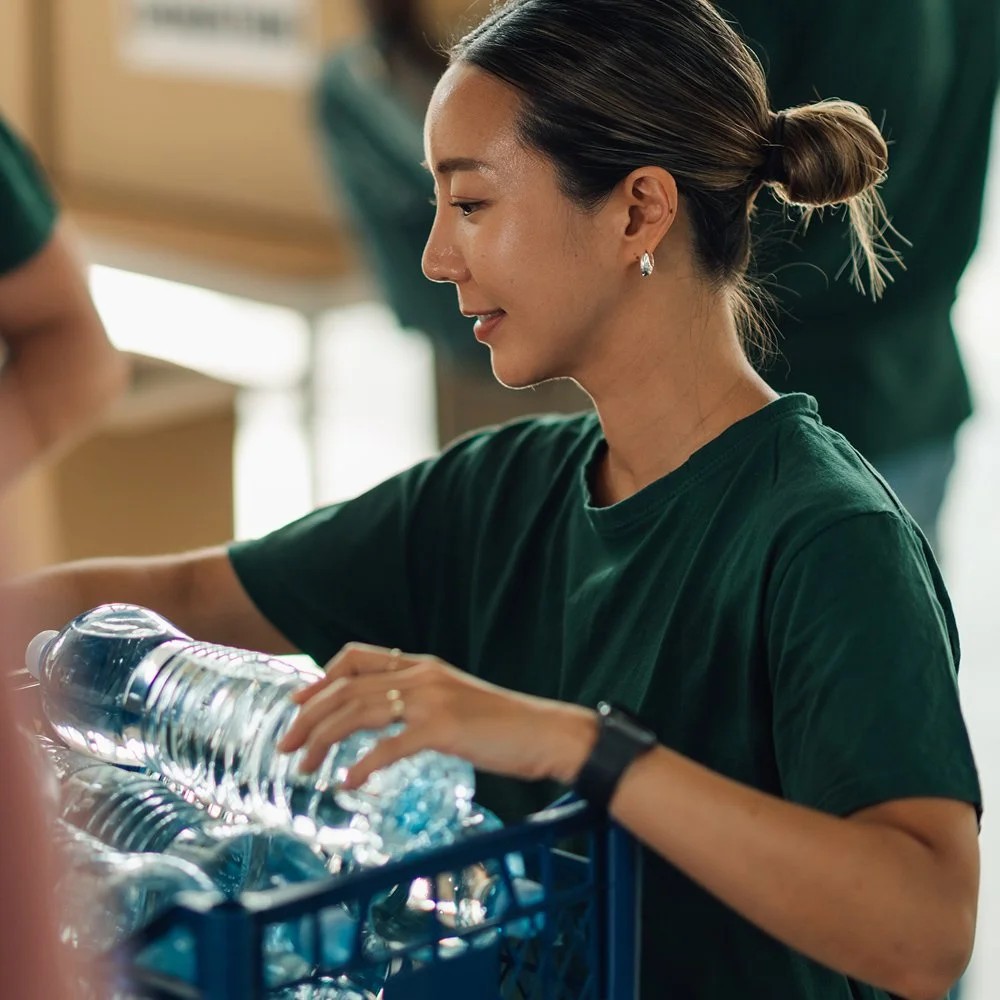
National Volunteer Week, observed annually in April, is more than just a feel-good event; it’s a crucial reminder of the work done by millions of unsung heroes in communities worldwide. From food banks to schools, shelters to environmental projects, volunteers form the backbone of countless essential services. Recognizing their contributions and encouraging wider participation isn’t just about gratitude — it’s about strengthening the social fabric that holds communities together.
This week, and throughout the year, offers opportunities for everyone to contribute, regardless of time constraints or skill set. Volunteering isn’t just beneficial for recipients; it’s linked to improved mental well-being, fostering social connection, and providing a sense of purpose.
What is National Volunteer Week?
Established in 1974 by presidential proclamation, National Volunteer Week is now spearheaded by Points of Light, a nonprofit dedicated to promoting volunteer service. The core message remains simple: when individuals dedicate their time, skills, or care to others, communities become more resilient and connected. It’s a celebration of collective action and a call to wider involvement.
When is National Volunteer Week in 2026?
In 2026, National Volunteer Week will run from April 19th to April 25th. Communities typically host service projects and appreciation events during this period. For those looking to start, the week often brings new volunteer openings and short-term projects designed for first-timers.
9 Ways to Volunteer in Your Community
Getting involved doesn’t require grand gestures. Here are nine practical ways to contribute, catering to diverse schedules and skill sets:
- Support Local Food Banks or Meal Programs: These organizations rely heavily on volunteers for sorting donations, packing boxes, or serving meals. The tasks are straightforward, making it an ideal entry point for new volunteers.
- Leverage Your Existing Skills: Volunteering isn’t always manual labor. Nonprofits need designers, writers, or even spreadsheet experts. Offering your professional skills can be highly valuable and often done on a flexible schedule.
- Help Animals in Need: Animal shelters and rescues require volunteers for walking dogs, cleaning kennels, or assisting at adoption events. Spending time with animals can also help them socialize and increase their chances of finding homes.
- Join a Neighborhood Clean-Up: One of the easiest ways to give back is through community clean-ups. Many cities organize events to remove litter, maintain parks, or restore green spaces. Tools and supplies are usually provided.
- Mentor Youth: Young people benefit from external support, especially in academics or extracurriculars. Schools, libraries, and groups like Big Brothers Big Sisters offer mentoring programs.
- Assist Seniors: Older adults often face isolation or mobility challenges. Volunteers can provide companionship, deliver meals, or help with errands. Community centers and aging services programs facilitate these efforts.
- Participate in One-Day Events: For those with limited time, one-day volunteer events offer quick and impactful opportunities. These projects range from packing care kits to cleaning parks.
- Practice Informal Volunteering: Small acts of kindness matter. Helping a neighbor with groceries, walking their dog, or assisting with childcare strengthens community bonds.
- Volunteer Remotely: Digital volunteering has expanded options for those with busy schedules. Opportunities include online tutoring, translation, or crisis support.
Why Volunteering Matters
Volunteering isn’t just altruistic; it’s a two-way street. Studies show that giving back can reduce stress, increase life satisfaction, and combat loneliness. It builds stronger communities, supports essential services, and fosters a sense of purpose.
Volunteering is an investment in both individual well-being and collective strength.
Whether you have hours to spare or just a few minutes, National Volunteer Week serves as a powerful reminder that every contribution counts. By giving back, you aren’t just helping others; you’re building a more connected and resilient world.