Treatment usually stares straight at the CPAP machine. Or the dental device. Or that jaw surgery nobody wants. Focus is heavily weighted toward what happens in the dark.
But daylight matters. A lot.
“Maintaining a regular routine can help… adherence to sleep apnea therapy.”
Madeleine Basist, a pulmonologist at New York City’s Lenox Hill Hospital, sees the connection clearly. You can’t ignore the other sixteen hours of your life if you want the other eight to work.
Small tweaks hit hard. Shift dinner an hour earlier? Go for a walk? It sounds mild. The data disagrees. These best sleep apnea lifestyle habits stop symptoms before they start choking out your sleep.
Here is what actually works.
Stop Eating Three Hours Before Bed
Sarathi Bhattacharyya runs the MemorialCare Sleep Disorders Center in California. He doesn’t mess around with late-night snacking.
Wait three to four hours between your last bite and the mattress.
Why? Gravity helps, but biology drives the car. Stopping eating about three hours before bed improved blood pressure and blood-sugar control in study participants. It’s not just weight loss. It’s metabolic calm.
Liquid is different, though equally disruptive.
Drink too close to bed. You wake up. You pee. The cycle breaks.
Dr. Basist points out a specific poison in that nighttime drink: alcohol.
Alcohol relaxes throat muscles. Soft tissue collapses. Airway shuts down. Snoring gets worse. Apnea events multiply. Skip the pre-sleep gin and tonic if you want to breathe.
Catch Morning Light Early
Chafen Hart at National Jewish Health in Denver tells patients to wake up at the same time every day. Consistency builds structure.
Then open a window. Step outside.
Sunlight acts as the master reset button for the circadian rhythm. That internal clock governs temperature. Hunger. Alertness. Sleep itself.
Hart calls it “meaningful” for activity and mood.
You feel better. You sleep deeper.
It seems simple. Stare at the sky for twenty minutes. Your brain starts winding down the alarm for nightfall. The process is mechanical but invisible. Ignore it, and your how to improve sleep quality with morning sunlight strategy fails.
Cardio Helps You Sleep Deeper
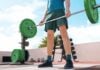
Exercise changes sleep architecture. Specifically, Hart notes, it boosts non-REM deep sleep.
That is the phase where breathing stabilizes. Essential for apnea management.
Cardiovascular movement does double duty.
One: Better breathing patterns during sleep.
Two: Weight loss or stabilization. Excess weight worsens apnea symptoms by putting physical pressure on the airway. Less weight means less pressure. Simpler physics.
If you struggle to fit a workout in, think of it as part of your therapy regimen. It’s not optional fitness. It’s sleep apnea exercises that help breathing at night.
Add One Joyful Ritual
Stress kills relaxation. Relaxation prevents airway tension. The math works either way.
Dealing with sleep disorders creates friction. Day after day of fatigue breeds irritability.
Hart suggests finding one small, low-effort habit in the morning that feels good.
Read a chapter of a book.
Sit in the sun with coffee.
Walk around the block without a destination.
This sets the tone. If you start the day feeling trapped, you’ll end the night exhausted. A joyful anchor pulls the whole day slightly straight.
Connect With Others
Socializing isn’t just pleasant. It’s medicinal for sleep tech usage.
Research links positive social interactions with higher CPAP adherence rates. People who feel supported actually use their machines.
Loneliness increases stress. Stress increases poor sleep habits. A small study in Sleep Health confirmed that community impact drives therapy consistency.
Call a friend. Join a club. Let people know what you are going through. The benefits of social support for sleep apnea patients aren’t vague platitudes. They are stats on compliance charts.
Building a Routine That Doesn’t Fall Apart
Basist warns against the to-do list trap.
Do not change five things on Tuesday. You will fail by Friday.
Start small. Pick one. Track it.
Journaling helps. Write down:
* Did you wake up refreshed?
* Was daytime sleepiness less heavy?
* How was the mood?
Data reveals patterns. You see what moves the needle. Then you add another habit.
Most people treat these steps as side quests. They aren’t.
“These practices shouldn’t replace medical care.”
They supplement it. They make the machine tolerable. They make the night survivable.
You probably know you need to exercise. You probably know alcohol is bad. Doing them is different.
Start with the dinner cutoff. It’s the easiest win. See how that feels.
The rest will follow if you don’t rush it.