While psychotherapy and medication remain the primary pillars of treating major depressive disorder, a growing body of research suggests that nutrition is a vital component of mental health management.
As psychologist Deborah Serani, PsyD, explains, food functions much like a “pharmaceutical compound” for the brain. A balanced diet can help stabilize brain function, whereas poor nutrition—particularly diets high in processed meats and fast foods—is often linked to increased depressive symptoms.
It is important to note that dietary changes are not a substitute for professional medical treatment. Instead, they serve as a complementary tool to help manage symptoms and reduce the risk of developing depression.
1. Fatty Fish: The Vitamin D and Omega-3 Connection
Research has consistently highlighted a link between vitamin D deficiency and depression. Specifically, studies suggest that individuals taking daily doses of 2,000 IU or more of vitamin D may see an improvement in their symptoms.
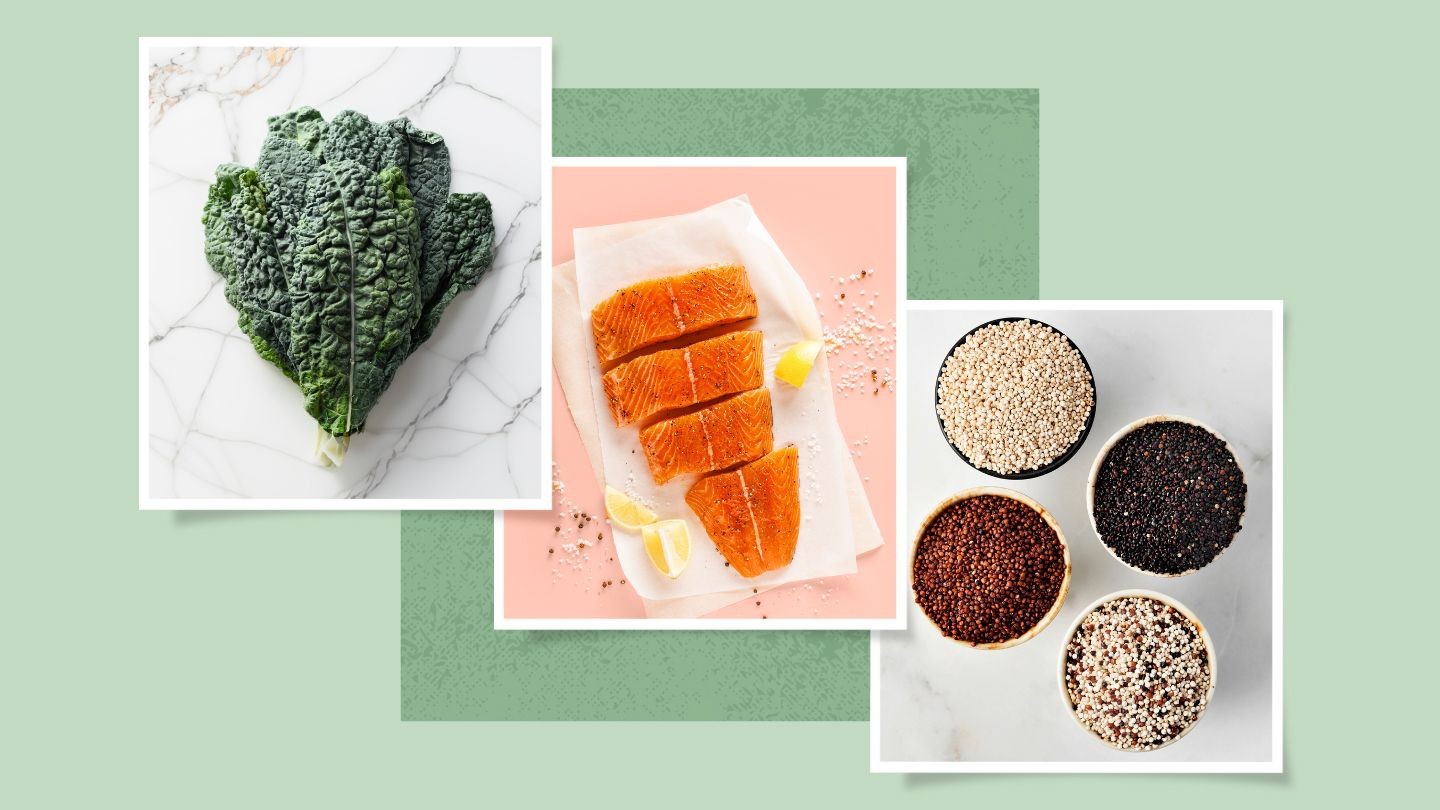
Seafood is an ideal natural source for these nutrients. Incorporating the following can be particularly beneficial:
– Salmon, trout, tuna, and mackerel
– These are rich in Vitamin D
– They are also high in Omega-3 fatty acids, which play a crucial role in brain health and may help relieve depressive symptoms in those who are deficient.
2. Dark Leafy Greens: The Magnesium Factor
Magnesium is an essential mineral for maintaining a healthy mood, yet low levels of it are common among those struggling with depression.
Dark, leafy vegetables such as spinach and collard greens are excellent sources of magnesium. While scientific consensus is still evolving regarding the exact optimal dosage, increasing magnesium intake has been shown in several studies to help improve depressive symptoms.
3. Green Tea: Stress Reduction via L-theanine
Beyond its well-known cardiovascular benefits, green tea may offer specific mental health advantages due to an amino acid called L-theanine.
L-theanine is associated with:
– Reduced stress and anxiety
– Improved concentration and cognitive function
– Enhanced mood
One small clinical study even suggested that L-theanine might work synergistically with certain antidepressants (like sertraline) to improve symptom relief. Note: Because green tea contains caffeine, individuals with heart or kidney issues should consume it in moderation.
4. Nuts and Seeds: The Serotonin Precursors
Nuts and seeds are more than just convenient snacks; they are rich in L-tryptophan, an essential amino acid that the body uses to produce serotonin.
Serotonin is a key neurotransmitter involved in mood regulation. While research is ongoing to determine the exact relationship between tryptophan consumption and depression, several studies indicate that regular consumption of these foods may help lower the risk of depressive episodes.
5. Ancient Grains: Stabilizing Blood Sugar
The term “ancient grains” refers to varieties that have remained largely unchanged for centuries, such as spelt, farro, quinoa, and millet.
The mental health benefit of these grains lies in their complex carbohydrates and generally low glycemic index. This is critical because:
– Diets high in “simple” sugars (high glycemic load) can increase depression risk.
– Complex carbohydrates help maintain stable blood sugar levels, preventing the energy crashes that can exacerbate mood instability.
Summary: While not a cure, a nutrient-dense diet rich in omega-3s, magnesium, and complex carbohydrates can serve as a powerful supportive tool in the holistic management of depression.
Conclusion
Integrating specific nutrient-rich foods into your daily routine can help stabilize brain function and support emotional well-being. Always consult with a healthcare professional to determine if specific nutrient deficiencies are contributing to your symptoms.