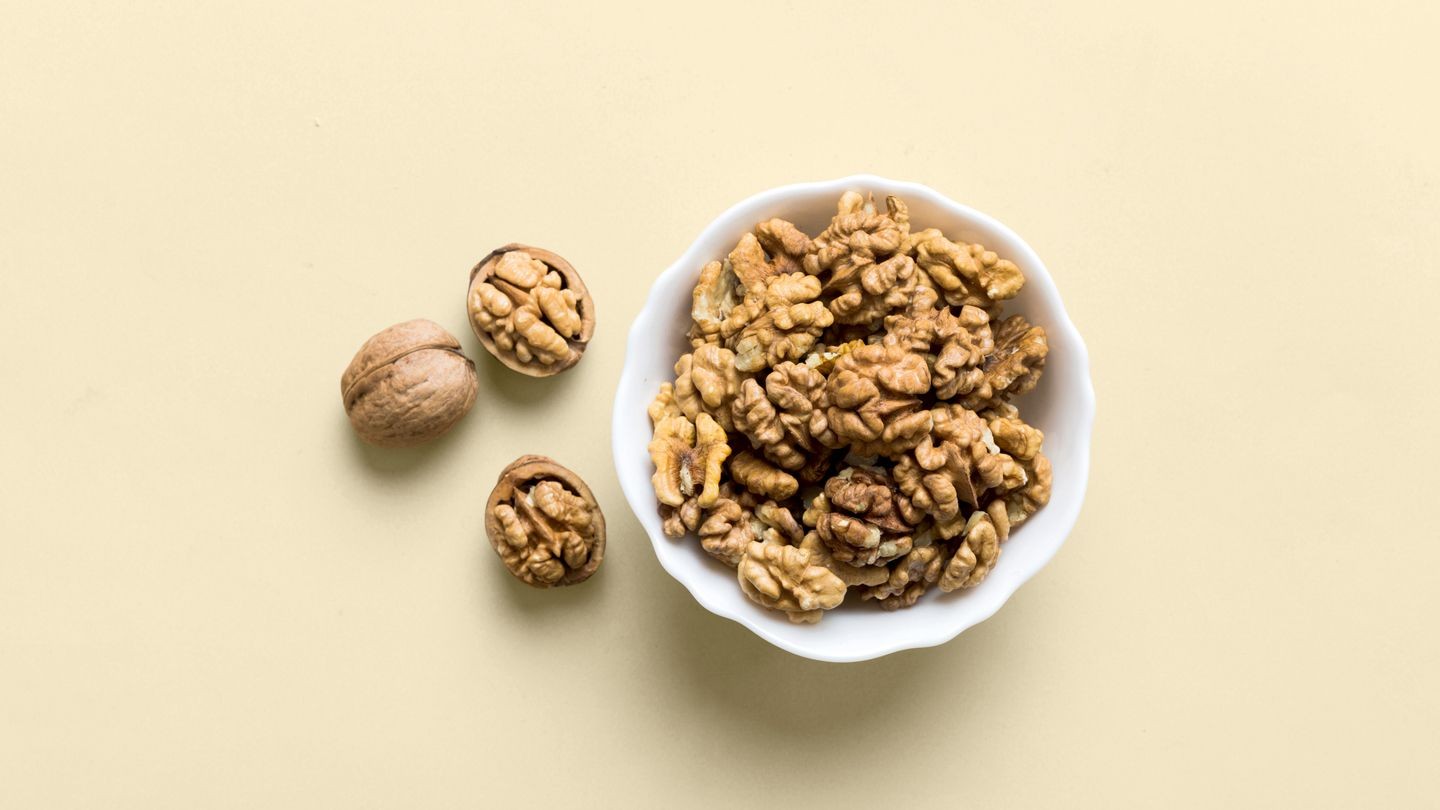
Walnuts are often hailed as a “brain food” due to their resemblance to the human brain, but their benefits extend far beyond cognition. These popular nuts offer a wealth of nutrients and have been linked to improved heart health, blood sugar control, and even weight management.
Why Walnuts Matter: Walnuts are unique among tree nuts for their high concentration of alpha-linolenic acid (ALA), an essential omega-3 fatty acid crucial for brain, heart, and cellular function. A daily serving (approximately ¼ cup or 14 halves) can contribute significantly to overall health.
Nutritional Breakdown
A 1-ounce serving of walnuts contains:
- Calories: 185
- Fat: 18.5g (including 13.4g polyunsaturated fat)
- Protein: 4.3g
- Fiber: 1.9g
- Key Nutrients: Manganese, calcium, magnesium, and potassium
Proven Health Benefits
Research consistently demonstrates that walnuts have a positive impact on several areas of health. While exact dosage recommendations are unclear, consistent consumption (1-2 ounces daily) is advisable for maximizing benefits.
Supporting Heart Health
Walnuts’ unsaturated fats and omega-3 fatty acids contribute to cardiovascular health by lowering total cholesterol, LDL (“bad”) cholesterol, and triglyceride levels. Eating approximately five servings per week has been shown to reduce heart disease risk.
Reducing Inflammation
Walnuts contain polyphenols, flavonoids, and omega-3s, which help combat chronic inflammation linked to conditions like arthritis, diabetes, and certain cancers. These compounds impact the gut microbiome, reducing inflammation throughout the body.
Boosting Brain Function
Walnuts’ healthy fats and plant compounds support cognitive function, potentially reducing the risk of dementia and improving mental clarity. Studies suggest daily consumption can improve cognition and reduce the risk of diseases affecting brain health.
Stabilizing Blood Sugar
Walnuts may improve insulin resistance due to their fiber, healthy fats, and protein content. While not a cure-all, they can be a valuable component of a blood sugar management plan.
Promoting Healthy Weight
Walnuts’ protein, fat, and fiber content increase satiety, potentially aiding weight management by reducing overall calorie intake. Studies show that nut consumption (including walnuts) is not associated with weight gain and may even contribute to lower BMI and waist circumference.
How to Incorporate Walnuts into Your Diet
Walnuts are incredibly versatile. Add them to:
- Breakfast: Sprinkle on cereal or blend into smoothies.
- Salads: Use crushed walnuts as a topping instead of bacon bits.
- Snacks: Enjoy them alone or combine with fruit and yogurt.
- Meals: Include them in vegetable dishes, stuffing, or meat replacements.
Storage Tips: To preserve freshness, store walnuts in the refrigerator or freezer. They contain high fat content and can go rancid if left at room temperature.
Conclusion: Walnuts offer a potent combination of nutrients and health benefits. Consuming a moderate amount daily as part of a balanced diet can improve cardiovascular health, reduce inflammation, and support cognitive function while potentially aiding in weight management.