Researchers have achieved a significant milestone in restoring central vision to individuals with advanced macular degeneration, using a novel electronic retinal implant system called PRIMA. This represents a shift from merely slowing disease progression to actively recovering lost function, though the technology is not a cure.
The Challenge of Vision Loss and Early Attempts
For decades, scientists have pursued the goal of bypassing damaged retinas with electronic alternatives. Early artificial vision devices offered limited functionality, only enabling patients to perceive light or basic shapes. These systems often relied on permanent wired connections, creating significant hurdles for practical use. While proving the concept was possible, they failed to deliver sight useful for everyday life.
How PRIMA Works: Wireless Vision Restoration
The PRIMA system represents a substantial leap forward. It consists of three key components:
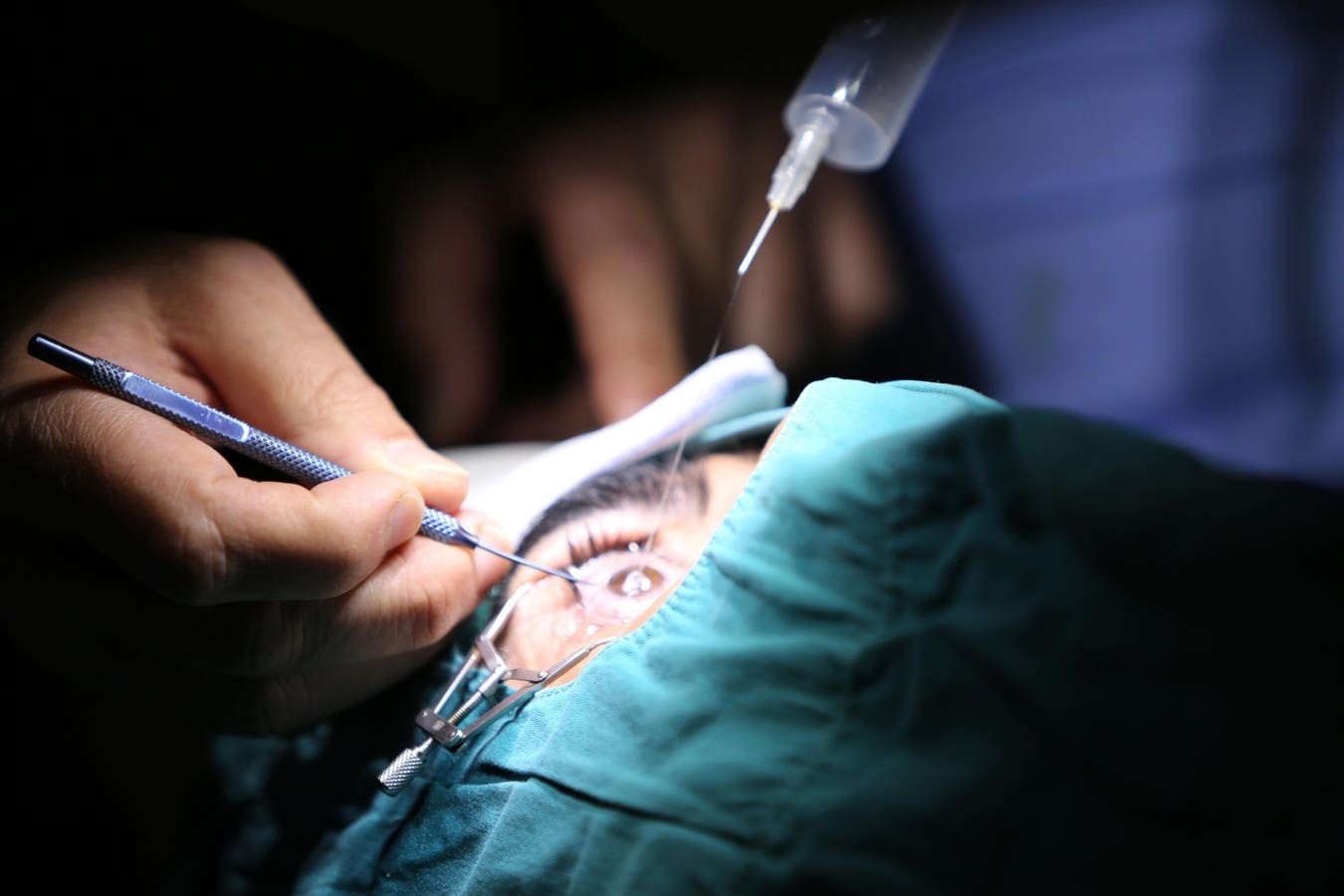
– a tiny silicon chip surgically implanted beneath the retina, targeting the area responsible for central vision.
– specialized glasses equipped with a camera that captures external images.
– a portable processor that converts these images into invisible light signals.
The chip then translates these signals into electrical impulses, stimulating the remaining light-sensitive cells and relaying visual information to the brain. Crucially, PRIMA operates wirelessly and draws power from light, minimizing safety concerns. The glasses are see-through, preserving peripheral vision while filling in the central blind spot.
Clinical Trial Results: Measurable Improvements in Sight
A recent study tracked patients over 12 months using the PRIMA system. Results were promising:
– 80% of participants could read an average of 10 additional letters on an eye chart after one year.
– The average improvement was 25 letters, with some gaining up to 59 letters in reading ability.
– Side vision remained unaffected, indicating that the implant does not compromise existing sight.
Patients reported using the device at home for tasks like reading letters and numbers, with magnification and training enabling some to read small print. This demonstrates that even partial restoration of central vision can significantly improve quality of life.
Risks, Limitations, and Future Implications
While PRIMA is a major step forward, it is not without limitations. Eye surgery always carries inherent risks, and some patients experienced complications in the months following implantation. The device does not cure macular degeneration; the disease continues to progress. Patients require training to adapt to the new way of seeing, and visual acuity remains limited.
Despite these caveats, the PRIMA system proves that small, wireless electronic devices can partially restore functional vision. The technology is now considered a viable clinical tool, and future iterations may offer even greater detail and seamless integration with remaining natural vision. This milestone underscores the growing convergence of human biology and technology, paving the way for more advanced vision restoration methods.