As urbanization and environmental shifts continue, clean air is becoming a luxury. According to the World Health Organization, 99% of the global population breathes air that exceeds recommended pollution limits. While much of the focus on air quality remains on external solutions—such as wearing masks or installing high-end HEPA filters—new research suggests that internal defense might be just as important.
A recent study presented at the European Respiratory Society Congress suggests that what we eat could play a vital role in how our bodies handle the invisible threat of airborne pollutants.
The Science: PM2.5 and Lung Health
The study, which analyzed data from nearly 200,000 participants in the UK Biobank, focused on a specific type of pollutant known as PM2.5. These are microscopic particles—often released by vehicle exhaust, industrial factories, and wildfires—that are small enough to penetrate deep into the lung tissue.
Once inside, these particles trigger a biological chain reaction:
– Oxidative Stress: An imbalance occurs between harmful free radicals and the body’s natural antioxidants.
– Inflammation: This stress causes tissue inflammation, weakens cells, and can accelerate aging within the respiratory system.
The Findings: Fruit as a Biological Shield
Researchers investigated how different dietary patterns influenced lung function in relation to pollution exposure. The results were significant:
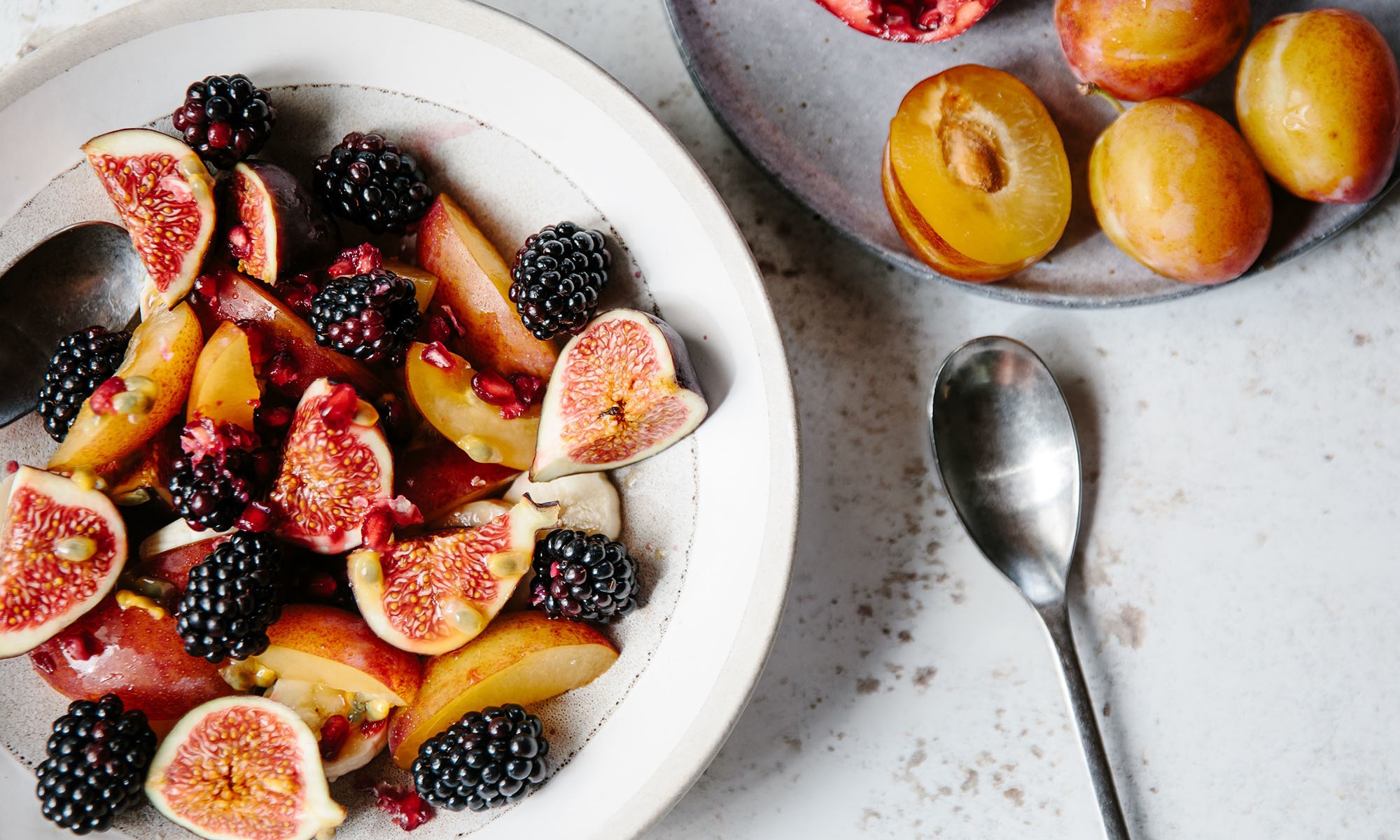
- Higher Fruit Intake Correlates with Better Lung Function: Participants who consumed more fruit maintained healthier lung capacity, even when exposed to high levels of pollution.
- Gender-Specific Benefits: The protective effect was particularly notable in women, where a fruit-rich diet appeared to help preserve lung capacity over time.
Why does this happen? Fruits are dense in antioxidants and anti-inflammatory compounds, such as Vitamin C, flavonoids, and carotenoids. These nutrients act as a “cleanup crew,” neutralizing the free radicals caused by PM2.5 before they can cause permanent cellular damage.
Practical Steps for Lung-Protective Nutrition
While diet is not a substitute for clean air, it can serve as a powerful secondary defense mechanism. To maximize the antioxidant benefits, consider these dietary strategies:
- Prioritize Variety: Different colors in fruit represent different types of antioxidants. Aim for a “rainbow” of options, including berries (blue/purple), citrus (orange), and kiwi (green).
- Target Daily Goals: Aiming for at least four servings of fruit per day can help maintain a steady supply of protective nutrients.
- Optimize Absorption: Many lung-protective nutrients, such as carotenoids, are fat-soluble. Pairing fruit with healthy fats —like avocado, yogurt, or nut butter—can improve how your body absorbs these compounds.
- Utilize Frozen Options: Frozen fruits are often picked at peak ripeness and retain high nutrient density, making them a practical and cost-effective way to ensure year-round protection.
While we cannot always control the air quality in our environments, we can influence our biological resilience through targeted nutritional choices.
Conclusion: Emerging research indicates that a diet rich in fruit may help mitigate the inflammatory damage caused by fine particulate matter. By consuming diverse antioxidants, individuals may be able to better protect their respiratory health against the rising tide of global air pollution.