Eighty-one percent. That’s the number that landed on the screen at NUTRITION 2020. Or maybe it was 2024. The details get fuzzy in the headlines, but the takeaway from the American Society of Nutrition’s conference was stark. Researchers looked at nearly 2,800 items across 21 Texas supermarkets. They weren’t looking for organic heirlooms or farm-fresh veggies. They were looking at foods marketed specifically for kids between six months and 36 months old.
The result? Four out of five were ultra-processed.
And it gets worse. Nearly half of those products failed to meet basic nutritional benchmarks set by the World Health Organization. You buy a pouch of pureed fruit in the toddler aisle thinking you’re doing the right thing. You think, “It’s fruit. It’s healthy.” But check the fine print. Often, it’s sugar water with a fruit flavor.
The Hidden Cost of Convenience
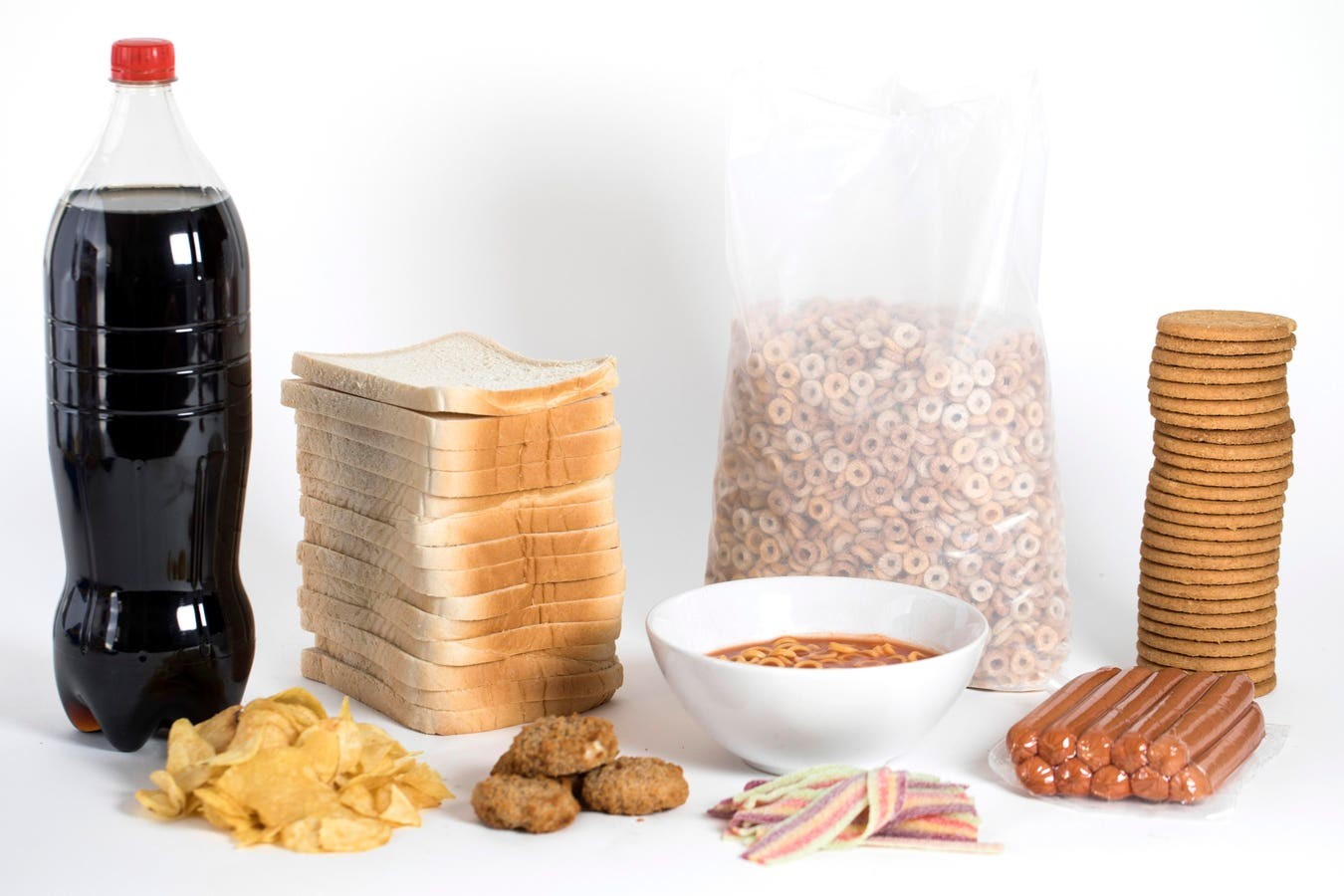
What exactly counts as ultra-processed? It’s not just about what’s in it. It’s about what’s added. These foods undergo extensive industrial manufacturing. They contain ingredients you won’t find in a home pantry. Preservatives. Emulsifiers. Artificial dyes. Added sugars that shouldn’t be in a child’s diet at all.
Typical offenders include fruit snacks, sweetened cereals, flavored yogurts, and snack bars. They are engineered for one purpose: palatability. They taste good. Cheap. Shelf-stable.
But taste isn’t the only casualty. The first three years of life are a critical window for brain development. Neurons multiply. Connections form. This biological architecture relies on specific building blocks. Protein. Iron. Zinc. Fiber. Vitamins.
Ultra-processed foods don’t provide these building blocks in meaningful amounts. Worse, they displace the foods that do. A toddler full of processed carbs has no room for the broccoli, healthy fats, or whole grains they actually need. Optimal brain growth can be stalled. Literally.
Rewiring Taste Buds Before They’re Set
Here’s the part that keeps pediatricians up at night. Kids learn what food is by eating it. They are forming lifelong habits before they can even read.
Frequent exposure to intensely sweet flavors alters taste preference. It sets a new baseline for “normal.” Suddenly, a strawberry doesn’t taste sweet enough. The natural flavor is bland compared to the chemical punch of a processed snack. This makes healthier choices harder—not just for the toddler, but for the parent trying to break the cycle later.
It’s a feedback loop. Sweet cravings lead to processed purchases, which reinforce sweet cravings. Breaking it takes effort.
And it’s not just the brain. It’s the body. High intakes of these foods link to childhood obesity, type 2 diabetes, elevated cholesterol. High salt content predisposes kids to hypertension. We are setting up a generation for chronic medical conditions before they hit their teens.
Practical Steps for Overwhelmed Parents
Let’s be real. Grocery prices are high. Time is short. Aggressive marketing targets parents when they are tired and overwhelmed. You don’t need a perfect diet. You just need better choices.
Start by reading labels. If a product has artificial flavors, colors, or added sugars, it’s ultra-processed. Put it back. Or put it in the “maybe for special occasions” bin.
Swap the basics at home:
* Fruit snacks? No. Fresh fruit or a simple banana.
* Flavored yogurt? Plain Greek yogurt with a handful of berries.
* Sugary cereal? Plain oatmeal with nuts or seeds.
These simple substitutions add fiber and nutrients while cutting sugar. The difference compounds over time.
Also, model the behavior. Kids watch. If you’re snacking on chips while they eat their “healthy” veggie, they’re learning that chips are the norm. Share vegetables. Limit sugary drinks. Eat lean proteins. Show them that real food doesn’t come in a crinkly foil pouch.
The Bigger Picture
Individual choices matter. But so does the system.
Relying solely on parent education isn’t enough. The federal government needs clear front-of-package labeling. Not fine print on the back. Big, bold, easy-to-read labels that tell you if a product is ultra-processed or nutrient-dense. Stronger nutrition standards for foods marketed directly to young children are long overdue.
The toddler years are a unique opportunity. Small improvements today yield health benefits decades down the line. You aren’t just feeding a kid. You’re shaping a human.
It starts with what you buy. It starts with asking why the apple slice tastes like plastic. And it ends when we decide that our children’s health isn’t a bargaining chip in a race to the bottom on shelf stability and profit margins.