


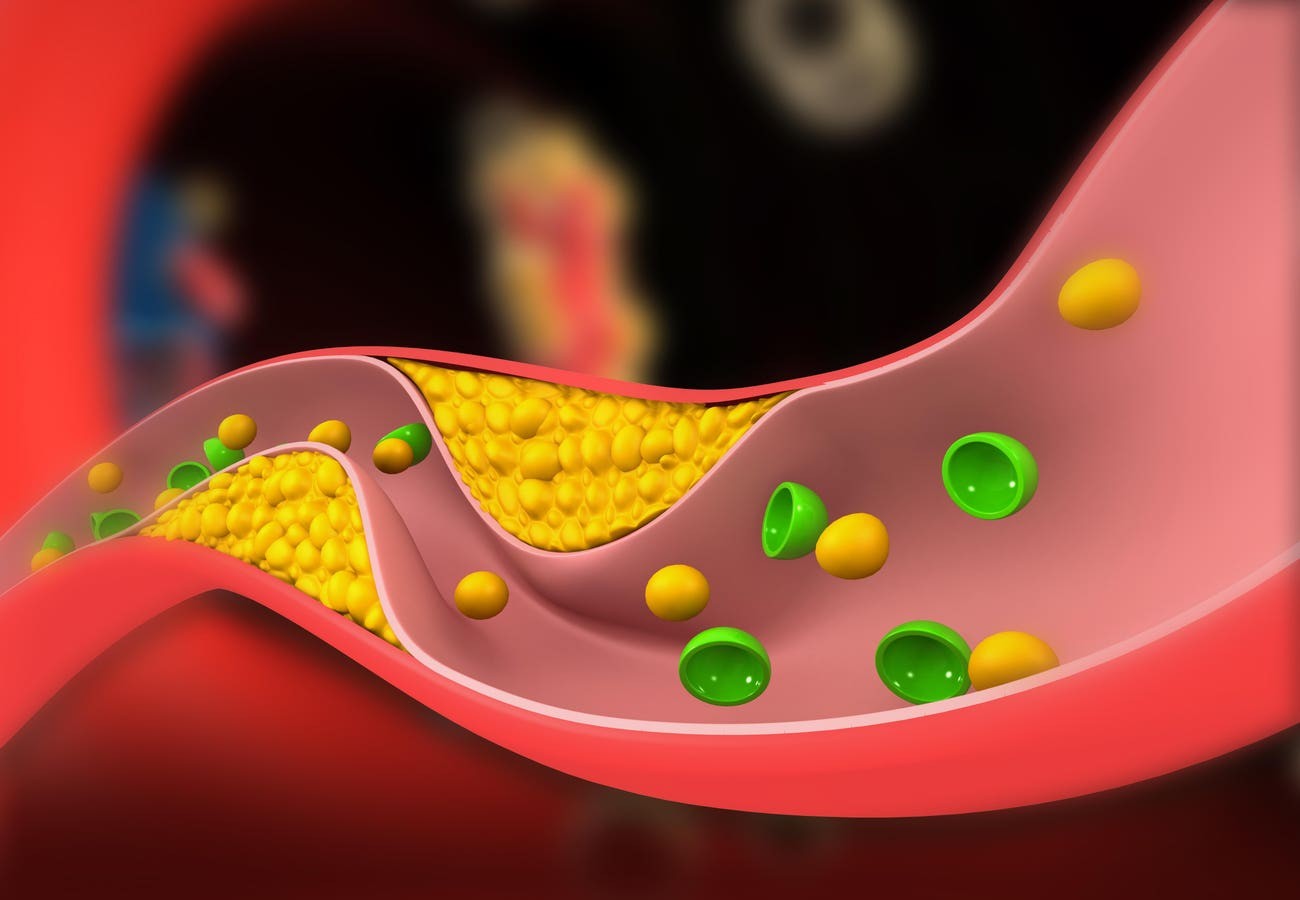
You are likely taking a statin. Maybe even a strong one. And yet the number on your lab report won’t budge. That LDL cholesterol sits stubbornly high, ignoring your salads and your daily walk. For years, the next step was needles. Injections. Repatha, Praluent—PCSK9 inhibitors that forced the liver to clean the blood more aggressively. They worked, but nobody likes getting poked every two weeks if they don’t have to.
That changed on July 16, 260.
The FDA gave the green light for Lipfendra. Also known by its generic name, enlicitide. It is a tablet. Taken once a day. It blocks that same PCSK9 protein as the shots do. It pulls “bad” LDL out of circulation. But you swallow it. No needle. No appointment with the nurse.
This isn’t just a convenience tweak. It’s a structural shift for heart disease prevention.
“This revolutionary new oral medication allows us to LDL cholesterol levels… to levels we have never seen with oral medications,” says Dr. Mohammed Alo, who splits time between Midwestern University and Ohio University.
He isn’t shouting it. He says it calmly. Which makes it feel louder.
How does Lipfendra actually lower LDL cholesterol?
Let’s talk numbers. Not just any numbers, but the kind that keep cardiologists up at night.
In two massive studies, the drug performed better than expected for a pill.
– One trial involved adults with heart disease or major risk factors. Lipfendra slashed LDL by 56%.
– Another trial looked at people with familial hypercholesterolemía—a genetic condition that makes your body terrible at processing cholesterol. The reduction? 59%.
Those percentages put it on equal footing with the injectable versions.
Dr. Abeer Berry runs noninvasive cardiology at DMC Huron Valley-Sinai. She calls it a step closer to “eradicating” heart disease. Perhaps hyperbole, perhaps not. Lowering bad cholesterol by nearly sixty percent in a daily pill format is statistically significant.
But cholesterol is complex. LDL isn’t the whole story. You have ApoB particles. You have non-HDL cholesterol. Lipfendra improves those markers too. The profile looks clean. The mechanism is clear.
Why does Lp(a) matter if statins don’t touch it?
Have you ever looked at a lab sheet and seen a line item you don’t understand? Likely Lp(a). Short for lipoprotein(a).
It’s nasty stuff. A highly atherogenic particle. It clogs arteries like the LDL you know, but with extra baggage. It runs in families. Diet won’t move it. Exercise leaves it alone. Standard statins glance right past it. High levels raise the odds of stroke, heart attack, and even aortic valve issues.
So, does this new pill fix that?
Yes. Sort of.
Lipfendra drops Lp(a) levels by roughly 25% in clinical trials. A quarter point gain is solid. It matters.
Here is the catch. It is not unique to this pill. Repatha and Praluent—the injectable predecessors—do the same thing. They lower Lp(a by that same ~25% margin. So if your Lp(a is through the roof and that’s your primary worry, switching to Lipfendra won’t give you superior protection compared to the shots. It just gives you a pill that achieves the same modest drop.
True Lp(a-targeted medicines are still in trials. None are approved yet. We wait.
Lipfendra vs. Repatha: Which option fits your life?
No head-to-head study pits these two against each other yet. Scientists haven’t lined them up like boxers in a ring. We have to compare the stats indirectly.
The LDL lowering power is virtually identical. The difference is logistical.
- Lipfenda : One pill. Every day. Swallowed with water or coffee.
- Repatha : Injection. Every two or four weeks. Cold storage often required. Needles.
Dr. Berry notes the similarity in effectiveness but highlights the route. For someone with arachnophobia, or simply a hatred for scheduling monthly appointments, the pill is a lifeline. For someone who forgets pills with the consistency of a broken clock, the two-weekly shot might be safer.
There is one other difference. One that involves actual hearts. Not just labs.
Repatha has been proven, in a multi-year mega-trial, to prevent heart attacks and strokes. It doesn’t just move the numbers. It moves the survival rate.
Lipfendra hasn’t had that proof yet.
A trial of 14,50 people is currently running. When will the results be out? Not soon enough for you right now. Until those data come back, the FDA approved Lipfendra only to lower cholesterol. It cannot officially claim to prevent heart attacks, even if experts bet heavily that it will. We assume the biology holds true because it mirrors the shots. Assumptions, however, are not guarantees.
What are the common side effects of this new oral cholesterol drug?
Every drug has a price. Lipfendra’s price isn’t in dollars necessarily, but in side effects.
In the biggest trial, the side effects mimicked the placebo. Good. That’s the goal.
But in the specific trial for familial hypercholesteremia, the numbers shifted slightly.
– Diarrhea : 7% of users reported it. (2% in the placebo group).
– Dizziness : 9% of users. (4% in placebo).
Did people stop taking it? No. The dropout rates due to side effects were similar across both groups. So it’s manageable.
Dr. Berry breaks it down simply. Avoid injection-site rashes and flu-like feelings (common with the shots). Expect a higher chance of bathroom trips or lightheadedness with the pill. It is a trade-off. One inconvenience for another.
“One can avoid possible injection site reactions… but may expect possible diarrhea or dexterity,” she explains.
Note the phrasing. She doesn’t say it will happen. She says may. Most people do fine. Most.
Is Lipfendra the right next step for your high cholesterol?
It depends.
If statins fail you. If lifestyle changes hit a wall. If the thought of an injection makes you cringe. This pill exists for you. It offers LDL lowering comparable to the best injections. It touches Lp(a) slightly. It costs nothing to discuss with your doctor.
You will have to ask. Bring your recent labs. Mention the fear of needles, or the forgetfulness.
It lacks the decades-long pedigree of statins. It lacks the hard outcome data of Repatha right now. But science moves. We are waiting for that large trial to conclude. If it proves safe for long-term heart health, Lipfendra could become a cornerstone of cardiac care. If not, it remains a niche tool for LDL reduction.
For now, it is an option. A pill in a bottle. A way forward without the prick.
What do you think? Does the convenience outweigh the uncertainty of long-term outcomes? Or will you wait for the injection evidence?


