


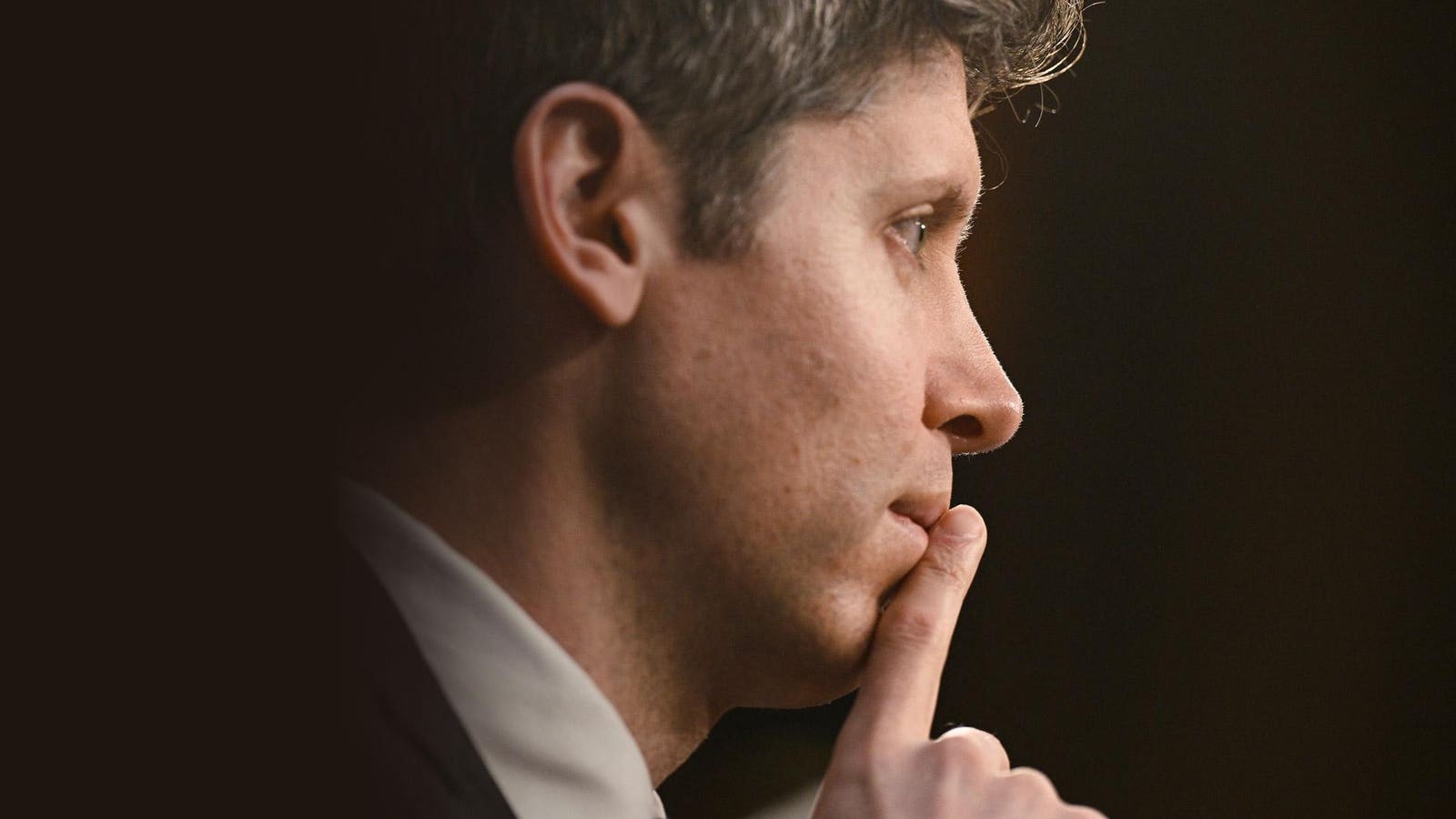
Sam Altman sells to hospitals like he sells to everyone else. Hard. The 41-year-old CEO doesn’t send a deck. He gets on the call. He converts skepticism into purchase orders.
Why? Because healthcare is huge. Really huge. OpenAI isn’t just playing here; they’re buying into the system. Cedars-Sinai, HCA Healthcare. These are the big dogs now using enterprise tools.
The bet is simple. Doctors burn out. Patients get confused. AI can fix the paperwork.
“It is one of our most important vertical at OpenAI.” — Nate Gross, head of healthcare strategy
Gross joined in 2025 with an MD and an MBA. He ran Doximity before. He knows the game. Everyone gets sick eventually. That’s a captive audience.
The Financial Pressure Cooker
Let’s talk numbers. Or the lack thereof. OpenAI made $13 billion last year. Lost $39 billion. That’s an eight-fold increase in losses. They missed revenue targets in April. The IPO? Confidentially filed, maybe delayed until next year due to investor pressure.
Healthcare is the lifeboat.
It has to work. They’re competing with Anthropic. Google. A million other startups. Hospitals have no margin to play around with. If the AI is wrong, someone suffers. If it’s too expensive, the deal dies.
Lauren’s Life and the Chat
Lauren Bannon felt pain in her fingers. Mornings. Nights. She ignored it for months. Then her stomach hurt. Doctors tested for rheumatoid arthritis. Blood tests came back normal. They sent her home.
Lauren wasn’t done.
She turned to ChatGPT. Fed it her symptoms. The bot suggested Hashimoto’s disease. An attack on the thyroid.
Ultrasound showed two lumps.
Cancer. Aggressive thyroid cancer. Surgeons removed her gland in January 2025. They took lymph nodes too.
“ChatGPT literally saved my life.”
That’s the win. It’s the story they want you to hear.
The Other Side of the Screen
Not everyone gets a miracle. Some people ask, “Why does my knee hurt on stairs?” They want exercises for bone density. They decode lab jargon. It’s helpful.
Until it isn’t.
Ashley Alexander, OpenAI’s product lead, admits access to care is broken. Rural areas? One in three adults goes to the ER because they can’t find a doctor. AI gives them something when they have nothing else. Six months before a specialist appointment is a long time to be scared.
But it’s scary for other reasons too.
Dr. Jinsey Andrews sees the damage daily. Patients walk in with printouts. Fear. One woman was convinced she had ALS because the AI linked muscle twitching to the disease. It was anxiety, not pathology. Another asked for experimental treatments based on fabricated research.
Untangling the mess takes time. Time taken away from actual treatment.
Flaws in the Model
A Nature Medicine study flagged major issues earlier this year. The consumer tool missed critical signs. Half the time it failed to recommend hospital visits when necessary. If a patient hinted at suicide but didn’t explicitly say “kill myself,” the model often missed the danger signal.
65% of non-urgent cases got sent to unnecessary care.
OpenAI fired back on X. Said the methodology was flawed. Said they were testing an older model.
Legal troubles mount too. Subpoenas from state AGs. A Canadian lawsuit alleging the chatbot encouraged a suicide. OpenAI promises to respond constructively. They take it seriously. Or they say they do.
Dozens of Doctors, Thousands of Errors
OpenAI recruited over 260 doctors. Real clinicians. Rebecca Soskin Hicks leads them. She red-teamed the models two and a half years ago.
“Frankly, it wasn’t hard to get it to mess back then.”
The team reviewed 700,00 examples. Accuracy improved. Drastically, by OpenAI’s metric, HealthBench. The model knows when it’s unsure, mostly. But asking for missing information remains a weakness.
Admin is the Easy Win
Running the hospital is where AI shines right now. Advent Health, 50+ hospitals, saw an 80% reduction in time spent on admin tasks. That’s efficiency. That’s profit.
Memorial Sloan Kettering piloted it. Early signals are good, says Ophelia Chiu. But everyone is still learning. The hype cycle outpaces reality by at least thirty months.
The Startup Ecosystem
Labcorp, the diagnostics giant, built a mobile app on top of OpenAI’s stack. Patients upload lab results. AI explains the trends. It’s accurate. It’s safe enough for 41% of people already using some form of AI interpretation.
Then there’s Abridge. It listens to consultations and writes the notes.
Davis Liang runs their ML team. He likes the notetaking. He doesn’t trust the diagnosis part as much.
“OpenAI says the patient has diabetes. The patient has diabetes with myopic retinopathy.”
That difference matters. Coding errors lead to billing errors. Specificity is hard. Frontier models from OpenAI and Anthropic are tools, not oracles.
No Magic Bullet
John Beadle at Aegis Ventures sums it up. He bets on consumers. He hesitates on the enterprise side. The margins are razor-thin.
The models will get better. Faster. Maybe six months changes everything. Maybe five years leaves us wondering why we thought it was so different.
Gross keeps it grounded. Healthcare is 18% of US GDP.
“There’s no magic bullet. We just have to make sure they’re helpful.”
Helpful.
Not right. Not always. Just helpful.


