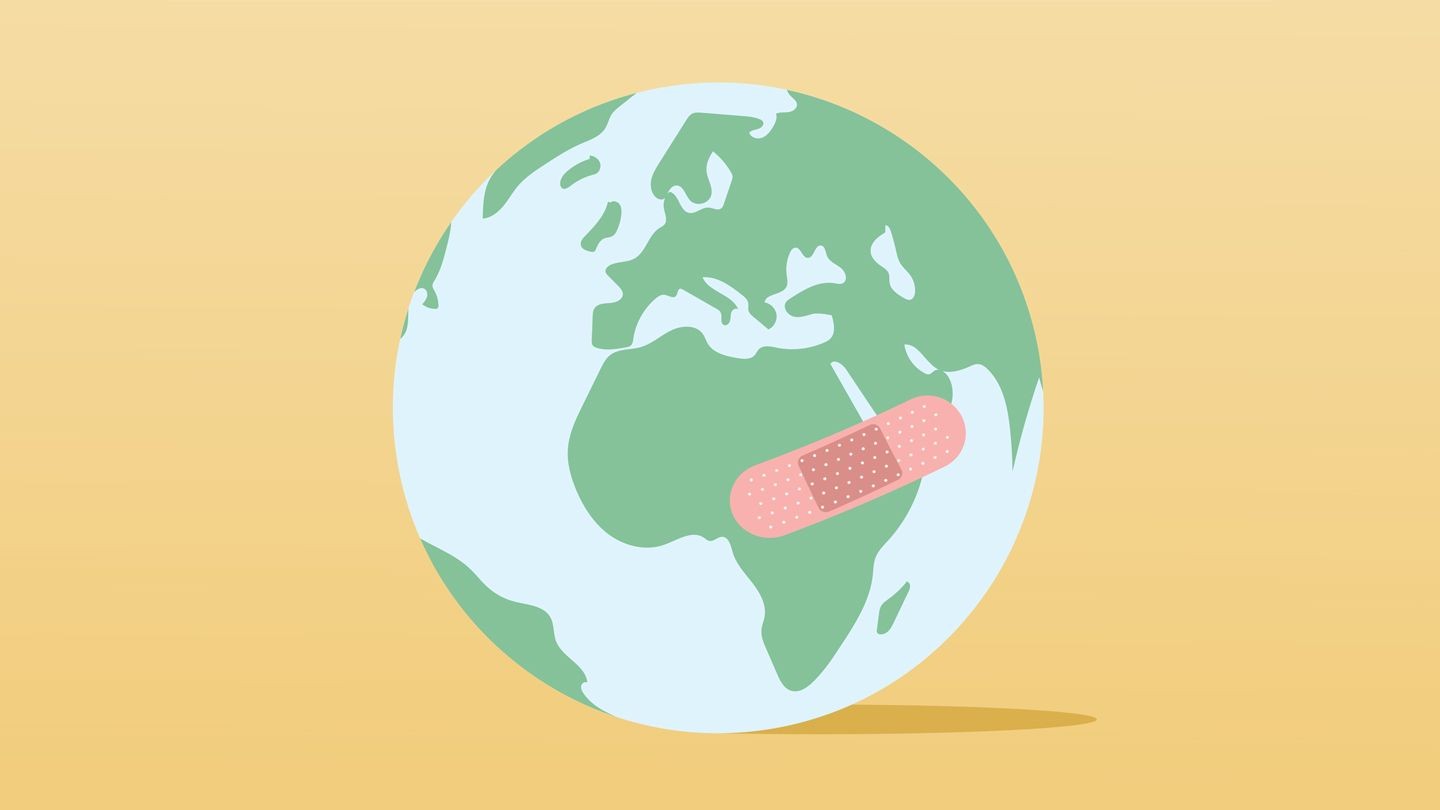
Climate change isn’t a future threat; it’s reshaping public health now. Rising temperatures, worsening air quality, and intensifying natural disasters are directly impacting human well-being. While political debate continues, the science is clear: these changes pose immediate and escalating risks. This guide breaks down the major health concerns and provides actionable steps to protect yourself and your family.
The Rising Toll of Extreme Heat
Heat is already the deadliest form of extreme weather in the U.S., and deaths linked to heatstroke have more than doubled in the last 25 years. Sustained high nighttime temperatures prevent the body from recovering, disproportionately affecting older adults. Beyond direct heatstroke, extreme heat strains the cardiovascular system, increasing the risk of heart attack, stroke, and exacerbating existing conditions.
What to do: Hydrate frequently, avoid peak heat hours, and seek shade when outdoors. If you have heart disease, lung problems, diabetes, or take medications that affect blood pressure, discuss a heat action plan with your doctor.
Sleep Disrupted: The Hidden Cost of Warming Nights
Rising temperatures don’t just make days hotter; they disrupt sleep. Warmer nights lead to shorter sleep durations, more awakenings, and reduced deep sleep – essential for memory, mood, and physical recovery. Scientists project that sleep loss due to heat could reach 24 hours per year by the end of the century.
What to do: Use air conditioning if available. If not, fans, cool baths before bed, and lightweight natural fabrics can help. Prioritize sleep hygiene during heat waves.
Wildfires and Air Pollution: A Deadly Combination
Hotter temperatures and drought fuel larger, more intense wildfires, releasing smoke that penetrates deep into the lungs. Wildfire smoke is more harmful than other forms of pollution, worsening asthma, COPD, and straining the heart. Long-term exposure is linked to heart disease, cancer, anxiety, and premature death.
What to do: Monitor air quality daily. Stay indoors with windows closed on high-smoke days. Consider an air purifier with a HEPA filter.
The Invisible Threat: Air Pollution and Chronic Disease
Burning fossil fuels releases both greenhouse gases and fine particulate matter (PM2.5), which triggers asthma attacks, COPD flare-ups, heart attacks, and strokes. Extreme heat also worsens ozone formation, compounding respiratory risks. Air pollution causes systemic inflammation, damaging lungs, heart, brain, and kidneys.
What to do: Use indoor air filters when air quality is poor. Wear a high-quality face mask outdoors if necessary. If you have respiratory or cardiovascular disease, consult your doctor about mitigation strategies.
Natural Disasters: Beyond Physical Injury
Storms and floods are increasing in severity and frequency, causing not only injuries and waterborne illness but also long-term mental health consequences. Research shows increased rates of anxiety, depression, and suicide up to 18 months after major disasters. Disrupted access to medication exacerbates risks for those with chronic conditions.
What to do: Develop a disaster preparedness plan. If you rely on medical devices or medications, ensure a backup plan in case of power outages or evacuation.
Infectious Diseases on the Move
Warmer temperatures and changing rainfall patterns expand the range of disease carriers like mosquitoes and ticks, increasing the risk of malaria, dengue fever, and Lyme disease in previously unaffected areas. Deforestation accelerates this spread by forcing animals (and their pathogens) into closer contact with humans.
What to do: Use EPA-approved repellents, cover skin outdoors, and stay informed about local disease outbreaks.
Allergies and Skin Conditions: A Growing Burden
Warmer temperatures mean longer pollen seasons and increased allergen production. This worsens seasonal allergies and may exacerbate atopic dermatitis (eczema).
What to do: Work with your doctor to manage allergies and minimize exposure during peak pollen times.
Air Pollution and Alzheimer’s Risk
Emerging research suggests a link between long-term exposure to fine particulate matter and an increased risk of Alzheimer’s disease. The microscopic pollution triggers inflammation and damages blood vessels, processes that contribute to neurodegeneration.
What to do: Limit exposure to polluted air, use indoor air filters, and consider wearing a face mask outdoors when air quality is poor.
The Bottom Line: Climate change is a public health crisis unfolding in real time. Protecting yourself requires awareness, preparation, and advocating for policies that reduce greenhouse gas emissions. Ignoring the problem won’t make it go away; it will only worsen the consequences for everyone.
Sources: JAMA, Future Healthcare Journal, Sustainable Princeton, Johns Hopkins Medicine, Environment International, One Earth, American Heart Association.