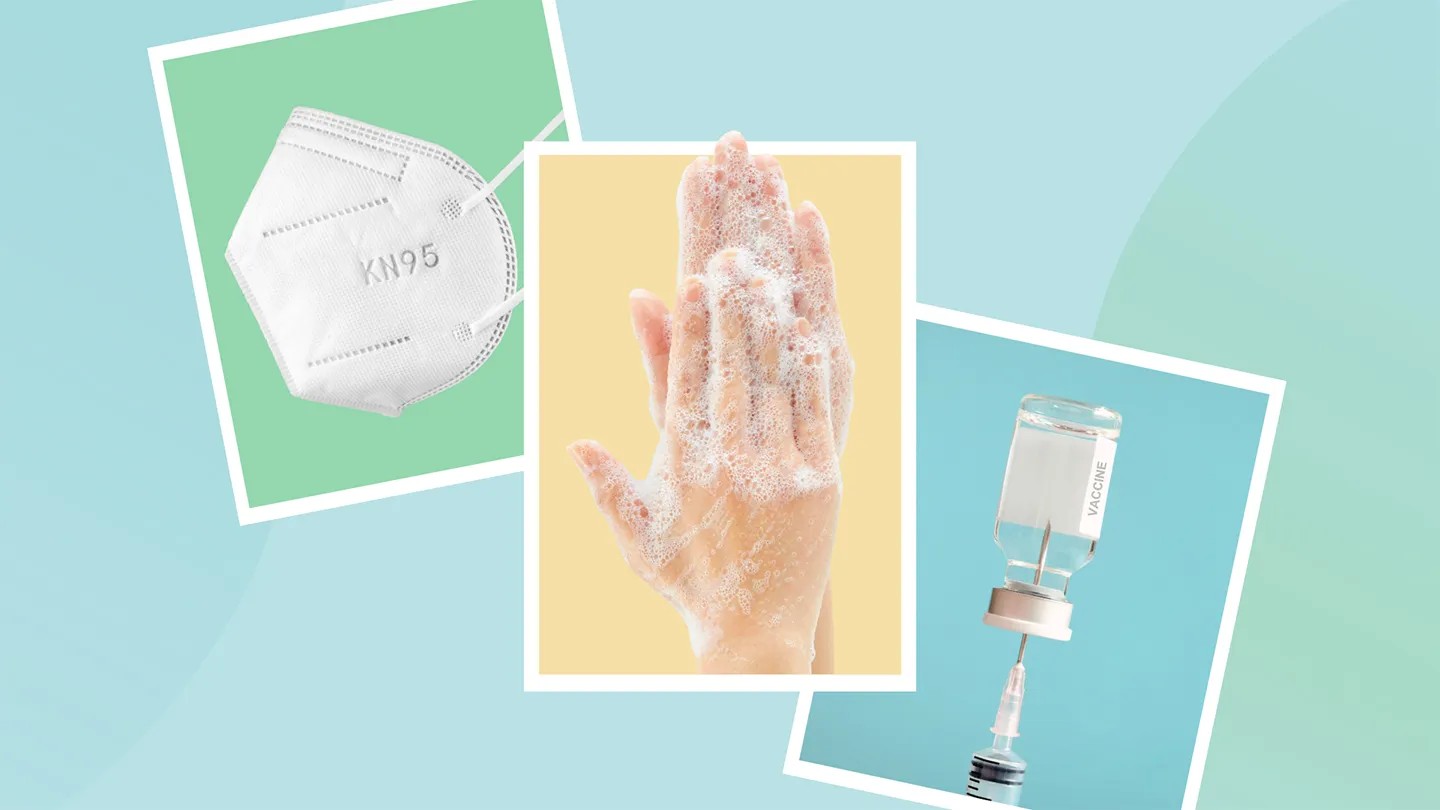
Mantle cell lymphoma (MCL) and its treatments significantly compromise the immune system, leaving patients highly vulnerable to infections—particularly during the first year after diagnosis. Because the body’s natural defenses are weakened, germs that might cause only mild illness in healthy individuals can become serious, even life-threatening, complications for MCL patients.
However, this vulnerability is not unmanageable. By adopting specific hygiene practices, dietary precautions, and monitoring strategies, patients can significantly lower their risk. The goal is not to isolate completely, but to create a protective buffer against common pathogens while maintaining quality of life.
The Critical Role of Hand Hygiene
Handwashing remains the single most effective barrier against infection. According to Dr. Brad Kahl, a hematologist-oncologist at Washington University in St. Louis, frequent handwashing is the primary defense against germ transmission.
- Wash with soap and water: Scrub for at least 20 seconds before eating, after using the restroom, and upon returning from public spaces.
- Use sanitizer when necessary: If soap and water are unavailable, use an alcohol-based sanitizer with at least 60% alcohol.
- Know the limitations: Unlike soap and water, hand sanitizers are ineffective against certain hardy germs like C. difficile and norovirus. Therefore, physical washing is preferred whenever possible.
Strategic Vaccination: Timing and Type
Vaccines train the immune system to recognize and fight specific pathogens. For MCL patients, the type of vaccine and the timing of administration are crucial.
Safe Options: Non-Live Vaccines
Non-live vaccines use killed germs or genetic instructions (such as mRNA) to teach the immune system without introducing active pathogens. These are generally safe for immunocompromised patients. Recommended vaccines include:
* Influenza (shot only)
* COVID-19
* Pneumococcal
* Shingles
* RSV, Tdap, Hepatitis B, Meningococcal, and HPV
Risks: Live Vaccines
Live vaccines contain weakened but active forms of germs. While safe for healthy individuals, they can cause severe illness in those with weakened immune systems. MCL patients should generally avoid:
* Nasal spray flu vaccine
* MMR (Measles, Mumps, Rubella)
* Varicella (Chickenpox)
* Rotavirus
* Smallpox, Yellow Fever, and Oral Typhoid
Timing Matters
Ideally, vaccinations should be administered two to four weeks before starting treatments that suppress the immune system. This window allows the body to build a robust immune response. While vaccines can be given during treatment, their effectiveness may be reduced. Additionally, family members and caregivers should stay up-to-date with their own vaccinations to create a “cocoon” of protection around the patient.
Navigating Public Spaces and Social Interaction
Germs spread more rapidly in crowded environments. Patients are advised to limit exposure to high-risk areas such as concerts, movie theaters, and busy shopping centers during peak hours.
- Strategic Timing: Perform errands during quieter times, such as early mornings or weekdays.
- Utilize Technology: Use curbside pickup, delivery services, and online shopping to minimize contact.
- Balance Social Health: Isolation can negatively impact mental health. Dr. Kahl emphasizes that social interaction is vital. Patients can mitigate risk by wearing well-fitting masks, choosing seats away from others, and avoiding individuals who appear sick.
Food Safety: Preventing Foodborne Illness
Foodborne illnesses can be severe for immunocompromised patients. Proper handling, cooking, and storage are essential to prevent bacterial and viral contamination.
Key Practices:
* Wash hands before and after handling food.
* Clean all surfaces before meal preparation.
* Wash produce thoroughly.
* Keep raw and cooked foods separate to avoid cross-contamination.
* Cook meat to recommended internal temperatures.
* Refrigerate perishables within two hours.
High-Risk Foods to Avoid:
* Raw or undercooked meat, poultry, seafood, and eggs.
* Unpasteurized juices and dairy products.
* Raw sprouts.
* Deli meats (unless reheated until steaming).
* Unwashed fresh fruits and vegetables.
When dining out, choose establishments with strong health inspection grades and avoid buffets or salad bars where food may be exposed to contaminants for extended periods.
Protecting Skin and Oral Barriers
The skin and mouth lining serve as the body’s first line of defense. Damage to these barriers—common in cancer patients—creates entry points for infection.
Skin Care:
* Bathe daily and apply moisturizing lotion to prevent dryness and cracking.
* Use an electric razor instead of a traditional blade to avoid nicks and cuts.
* Clean and bandage any cuts or scrapes immediately.
* Monitor wounds for redness, swelling, or drainage. Maria Badillo, RN, of MD Anderson Cancer Center, notes that these are early signs of infection requiring immediate medical attention.
Oral Care:
* Brush with a soft toothbrush to protect the delicate mouth lining.
* Use mouthwash as recommended by your healthcare provider to maintain oral hygiene.
Recognizing and Responding to Infection Signs
Because the immune system is compromised, minor infections can escalate quickly. Patients must maintain a low threshold for seeking medical help. Do not wait to see if symptoms resolve on their own.
Contact your doctor immediately if you experience:
* Fever of 100.4°F (38.0°C) or higher.
* Red, swollen, or tender skin.
* Chills, shaking, or excessive sweating.
* Diarrhea, cough, or sore throat.
* Burning sensation during urination.
* Unusual vaginal discharge or itching.
* Stomach pain.
* Bleeding gums or white patches in the mouth.
Avoid Self-Treatment
Do not treat symptoms at home. Fever-reducing medications like Tylenol can mask a fever, making it difficult for doctors to detect and diagnose an infection accurately. Avoid home remedies until you have consulted your oncologist, as some may interfere with treatment or be unsafe.
Conclusion
Managing infection risk in mantle cell lymphoma requires a proactive, multi-layered approach. By combining strict hygiene, strategic vaccination, mindful social habits, and vigilant monitoring of symptoms, patients can protect their health without sacrificing their quality of life. Early communication with healthcare providers remains the most critical factor in preventing minor issues from becoming serious complications.