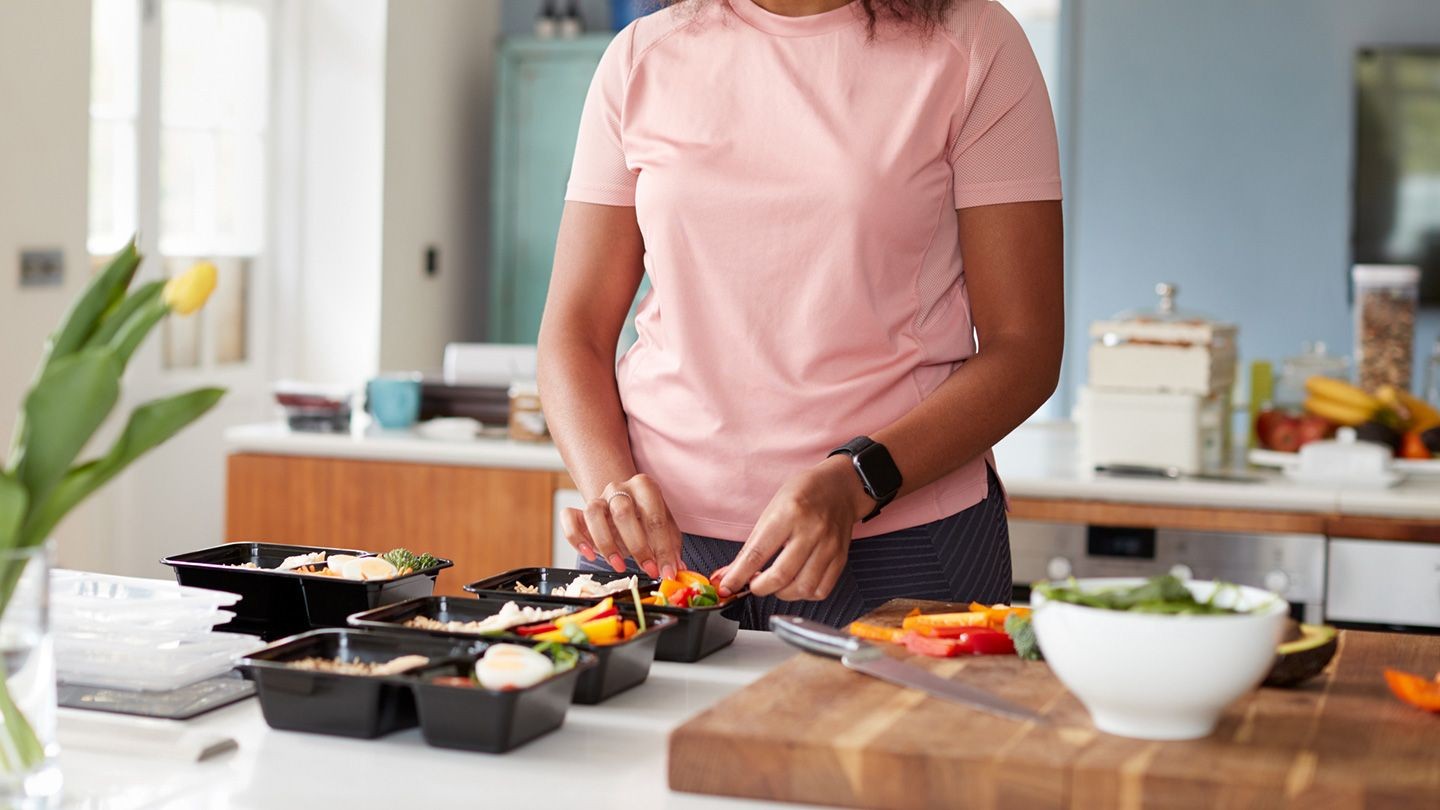
Social media feeds are saturated with images of neatly arranged bento boxes and colorful containers, often framing meal prepping as a visual trend rather than a practical strategy. However, the act of cooking several days’ worth of meals in advance offers profound, scientifically supported advantages that extend far beyond Instagram aesthetics. From enhancing nutritional diversity to reducing financial strain and stress, meal prepping is a powerful tool for holistic health.
“When we put some thought into it, we’re more likely to pick up really nutrient-rich foods from the grocery store. We have a list that’s decided in advance,” explains Basheerah Enahora, PhD, RDN, owner of BE Nutrition in Charlotte, North Carolina.
For beginners, the key is flexibility. Meal planning does not require a rigid, military-style schedule. As Dr. Enahora notes, you can choose a prep day that suits your rhythm or spread the workload throughout the week. With minimal upfront effort—such as chopping vegetables or marinating proteins—you can unlock significant benefits for your health, wallet, and peace of mind.
1. Enhanced Diet Quality and Nutritional Variety
Scientific evidence consistently links meal planning to a more diverse and higher-quality diet. The simple act of planning forces a “longer thought process,” allowing for more educated food choices, according to Mia Syn, RDN, founder of Nutrition by Mia in Charleston, South Carolina.
Research indicates that individuals who spend more than 90 minutes daily on cooking and preparation consume significantly fewer ultra-processed foods and more whole foods. This intentional approach helps create balanced plates that leave you feeling nourished without being overstuffed. Brittany Modell, RDN, of Brittany Modell Nutrition and Wellness in New York City, emphasizes that utilizing a variety of ingredients ahead of time promotes satiety and prevents the cycle of overeating.
2. Weight Management and Obesity Prevention
Cooking at home is strongly correlated with maintaining a healthy weight, largely because it reduces reliance on restaurant meals. Takeout and restaurant food typically contain higher levels of saturated fats, added sugars, and sodium, while lacking essential nutrients. Furthermore, these meals are often higher in calories than their homemade counterparts.
Developing kitchen skills—such as seasoning vegetables effectively without excessive fat—is linked to lower rates of overweight and obesity. Meal prepping also facilitates portion control. By batch cooking, you maintain control over ingredients and serving sizes, ensuring your meals meet your specific nutritional needs. Syn recommends using tools like food scales and measuring cups to maximize this benefit.
3. Significant Financial Savings
The convenience of takeout often comes with a steep price tag. Meal prepping acts as a financial buffer by encouraging intentional spending. When you create a plan, you identify exactly which ingredients are needed for the week, allowing you to utilize items already in your pantry.
“Purchasing just what you need can help prevent food waste and ultimately save you money from random purchases that may otherwise go uneaten,” says Syn.
This strategic approach minimizes impulse buys and ensures that every dollar spent on groceries translates into a meal, rather than ending up in the trash.
4. Time Efficiency and Organization
Paradoxically, spending time cooking upfront saves time in the long run. Syn points out that a busy schedule is a primary driver for choosing quick takeout options. However, meal prepping eliminates the daily burden of decision-making, preparation, and cleanup.
By dedicating one day a week to prep, you reduce daily cooking time to mere minutes of reheating. While the habit may feel overwhelming initially, the routine becomes second nature with practice, freeing up valuable time during the week for other priorities.
5. Potential Longevity Benefits
The impact of meal prepping extends to long-term health outcomes. Research highlights a significant association between frequent consumption of meals prepared away from home and an increased risk of all-cause mortality.
Specifically, eating out is linked to higher risks of metabolic syndrome in men aged 45 to 60 and elevated blood pressure in women of the same age group. Since these conditions are precursors to chronic disease and reduced life expectancy, shifting toward home-prepared meals can be a critical factor in promoting longevity.
6. Reduction of Food Waste
In the United States, approximately one-third of all food is discarded. A major contributor to this waste is unplanned grocery shopping, which often leads to perishable items spoiling before they are used.
Meal prepping disrupts this cycle. By pre-cutting fruits and vegetables, you make them more accessible and likely to be consumed, especially when time is short. Additionally, freezing excess fresh ingredients or batch-cooked meals preserves them for future use, ensuring that food is utilized rather than wasted.
7. Elimination of Impulsive Choices and “Hanger”
Hunger often drives impulsive, unhealthy food decisions. When glucose levels drop, the brain seeks quick energy, typically in the form of simple carbohydrates and indulgent snacks. Studies show that people who shop or choose food while hungry are more likely to make impulsive, less healthy choices than those who are satiated.
Meal prepping ensures that balanced, nutritious meals are always available. This preparedness removes the need to make food decisions in a state of hunger, promoting mindful eating and preventing the physical and mental discomfort associated with “hanger.”
8. Improved Emotional Wellness and Stress Reduction
The mental load of deciding what to eat after a long, stressful day can be exhausting. Meal prepping alleviates this decision fatigue, offering a sense of relief and control.
While more research is needed, a study on Canadians found a significant association between time spent on daily meal preparation and higher self-rated mental health, as well as lower perceived stress levels. By removing the daily guesswork of dinner, meal prepping contributes to a calmer, more organized lifestyle.
The Bottom Line
Meal prepping requires an initial investment of time and effort, but the returns are substantial. It fosters better weight management, reduces food waste, saves money, and lowers stress levels. To start successfully, experts recommend creating a shopping list based on existing pantry items and investing in adequate storage containers. Ultimately, meal prepping is not just about food; it is a strategy for living a healthier, more intentional life.