The link between your digestive health and mental wellbeing is stronger than most realize. Often called the “second brain,” your gut directly influences mood, cognitive function, and even the healing process, particularly when dealing with addiction recovery or supporting emotional health. One of the most effective ways to nurture both systems is through probiotic-rich foods that promote detoxification and restore balance.
The Gut-Brain Axis: A Two-Way Street
The gut-brain axis is a complex communication network connecting the gastrointestinal tract to the brain. This interaction relies on several key mechanisms:
- The vagus nerve, a direct neural pathway between the brainstem and the gut.
- The enteric nervous system, a network of neurons embedded within the gut lining.
- Hormones and neurotransmitters like serotonin, dopamine, and GABA, many of which are produced in the gut.
Surprisingly, over 90% of the body’s serotonin — a key mood regulator — is produced in the gut. Imbalances in the gut microbiome can therefore significantly affect mental wellbeing.
How Addiction Disrupts Gut Health
Substance abuse, whether involving alcohol, opioids, or stimulants, severely damages the digestive system:
- It degrades the gut lining, increasing permeability.
- It alters gut flora, reducing microbial diversity.
- It causes systemic inflammation.
- It impairs nutrient absorption.
During detox, the body attempts repair. However, if the gut remains unbalanced, mental health symptoms like anxiety, depression, and mood swings can persist. A 2021 study in Frontiers in Neuroscience confirmed that individuals with substance use disorders often have reduced microbial diversity and fewer beneficial bacteria like Lactobacillus and Bifidobacterium.
Why Probiotics Matter During Detox
Probiotics are live beneficial bacteria that restore a healthy microbiome. Introducing these good bacteria during detox helps the body:
- Repair the gut lining.
- Reduce inflammation.
- Improve digestion and nutrient absorption.
- Regulate mood and cognitive clarity.
- Strengthen the immune system.
This supports not only physical healing but also mental clarity and emotional resilience, vital for recovery.
Top Probiotic-Rich Foods for Detox Support
Incorporating probiotics into your diet doesn’t require complex changes. Many simple, natural foods can provide significant benefits:
- Sauerkraut: Fermented cabbage with Lactobacillus plantarum. Supports digestion and reduces gut inflammation. Choose raw, unpasteurized varieties for maximum benefits.
- Yogurt (with live cultures): Cultured dairy (or plant-based) containing Lactobacillus acidophilus. Helps restore gut flora, provides calcium, and soothes digestive inflammation. Harvard Health research suggests probiotic yogurt may reduce anxiety and depression in some individuals.
- Kombucha: Fermented tea with a SCOBY. Supports liver detoxification and provides antioxidants. Exercise caution with high-sugar or unregulated brews during detox.
- Miso: Fermented soybean paste containing Aspergillus oryzae. Supports gut lining integrity and provides plant-based protein. Add to warm (not boiling) water to preserve probiotics.
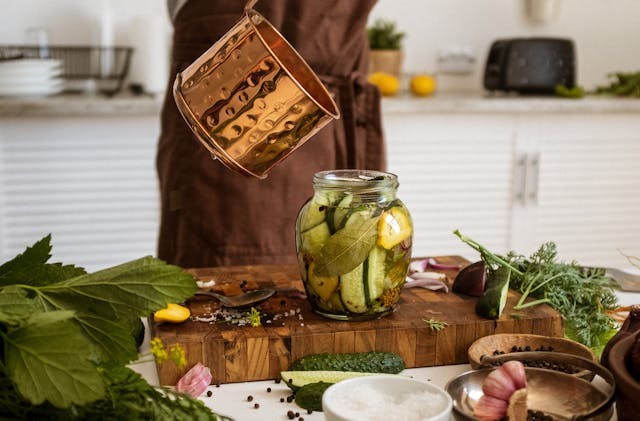
- Fermented Pickles: Cucumbers fermented in salty brine (not vinegar). Packed with Lactobacillus, supporting digestion and bowel regularity. Check labels to ensure true fermentation.
- Kefir: Fermented milk drink loaded with probiotic strains. High probiotic count, rich in B vitamins, calcium, and protein. Plant-based options include coconut or almond kefir with live cultures.
Building a Gut-Healing Detox Routine
Probiotics work best with prebiotic foods that nourish them:
- Bananas
- Garlic
- Onions
- Leeks
- Asparagus
- Oats
Also:
- Stay hydrated to flush toxins.
- Avoid processed and sugary foods.
- Eat slowly and mindfully to aid digestion.
- Manage stress through breathwork, sleep, and gentle movement.
Supplements vs. Whole Foods
While whole foods are ideal, a quality probiotic supplement can help if digestion is severely impaired or fermented food intake is limited. Choose a product with multiple strains (at least 5–10), a minimum of 10 billion CFUs, and third-party testing. Consult a healthcare provider if needed, especially during early detox.
Emotional Benefits of Gut Healing
A balanced gut microbiome can improve:
- Brain fog and fatigue
- Emotional reactivity
- Sleep quality
- Mood balance
Research in Psychiatry Research (2017) found that probiotic supplementation reduced psychological distress, anxiety, and depressive symptoms in healthy individuals. This is because a healthy gut supports neurotransmitter production, reduces inflammation, and improves nutrient absorption, all critical for brain and emotional health.
Conclusion
Recovery from addiction requires rebuilding the body, mind, and spirit. The gut plays a central role in this process, and probiotic-rich foods offer a simple yet powerful way to support both detoxification and emotional resilience. Start small, add fermented foods gradually, and let your gut heal — your mind will follow.