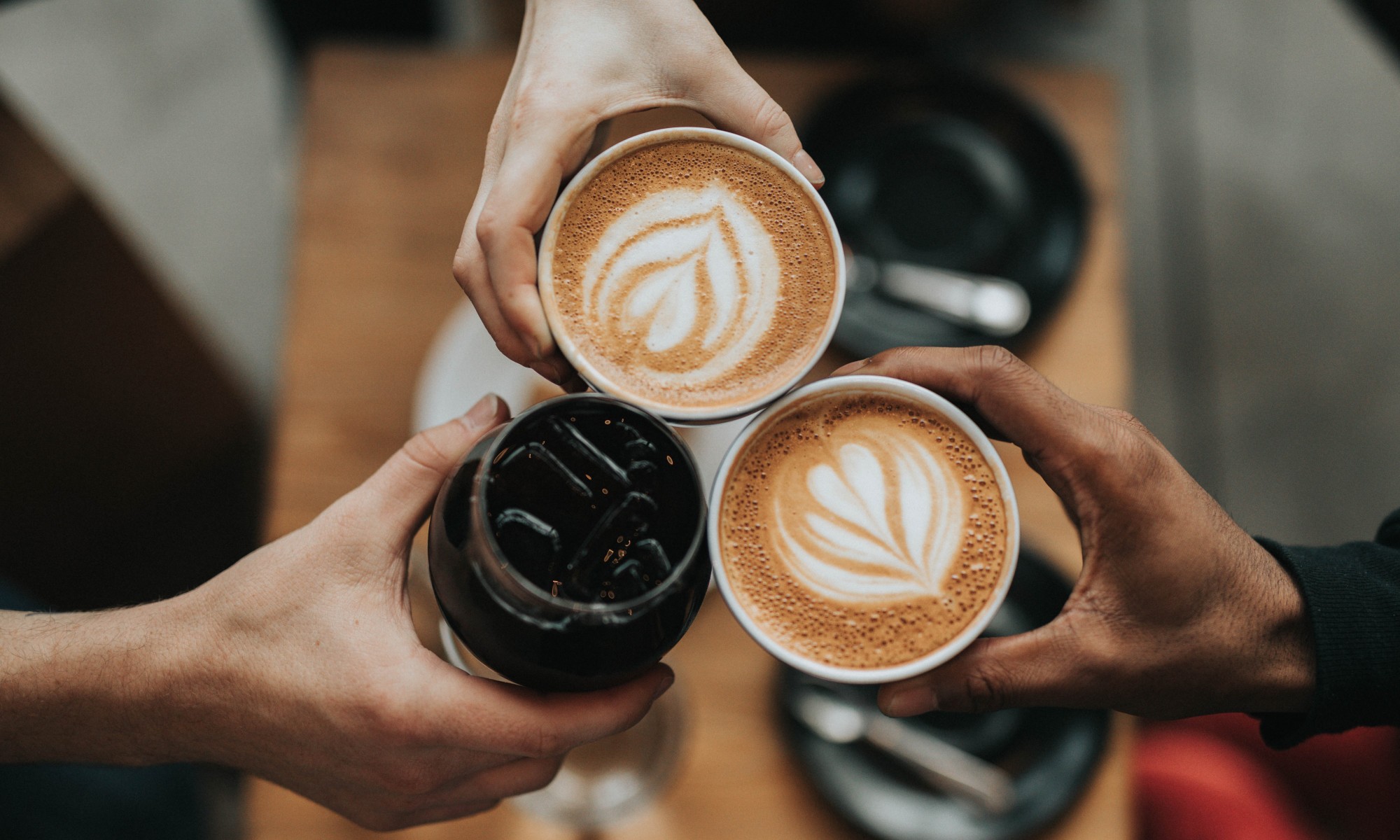
Coffee is a staple for millions, enjoyed daily as a morning ritual, afternoon boost, or even with dessert. While black coffee itself is low in calories, the way many people consume it can inadvertently contribute to weight gain. Il ne s’agit pas ici de dire que le café est intrinsèquement « mauvais », mais plutôt de comprendre comment certaines habitudes liées à la consommation de café peuvent saboter les objectifs de santé.
The Problem Isn’t Coffee – It’s What You Add To It
An 8-ounce cup of black coffee contains only about five calories. The issue arises when high-calorie additives turn a simple beverage into something closer to a meal. La diététiste Desiree Nielsen explique que les boissons spéciales riches en lait entier, en crème fouettée et en sirops sucrés peuvent facilement rivaliser avec un repas complet en calories, avec une valeur nutritionnelle bien moindre.
Il ne s’agit pas seulement de friandises occasionnelles ; daily high-calorie coffee habits can create a consistent calorie surplus, hindering weight loss efforts.
### Coupables sournois : additifs et édulcorants
Many common coffee additives are surprisingly high in calories and sugar. Flavored creamers, for example, can pack 100+ calories and teaspoons of added sugar into a single serving. This impacts blood sugar levels, potentially leading to spikes and crashes that increase hunger later.
Even “healthier” options like coconut milk creamers can contribute around 75 calories per scoop, which adds up over time.
Artificial sweeteners, often used as a sugar substitute, aren’t a guaranteed fix either. Research suggests some artificial sweeteners can stimulate appetite and increase overall energy intake, possibly leading to weight gain. One study found that participants drinking beverages with saccharin gained weight, while those consuming stevia or sucralose did not. Additionally, high artificial sweetener intake has been linked to increased risks of stroke, heart disease, and mortality.
### L’impact caché : les perturbations du sommeil
Coffee’s stimulant effect isn’t limited to wakefulness. Studies show that even consuming coffee six hours before bedtime can significantly reduce sleep quality and duration. Une étude de 2013 a révélé que la consommation de 400 mg de caféine (environ quatre tasses) six heures avant de se coucher doublait la latence du sommeil et réduisait la durée totale du sommeil d’une heure.
Poor sleep is linked to weight gain, obesity, and other health issues, making sleep a crucial factor in maintaining a healthy weight. If coffee disrupts your sleep, reducing intake is essential.
### Coffee as a Meal Replacement: A Dangerous Trend
Skipping meals and relying on coffee instead can backfire. Research shows that frequent breakfast skippers have an 11% higher risk of being overweight or obese. Going long periods without eating can lead to overeating at the next meal and intense cravings for high-carb foods.
Coffee is not a substitute for a balanced meal or snack.
### Quelle quantité de café représente trop ?
Drinking coffee itself isn’t linked to weight gain and may even aid weight maintenance. Some studies suggest caffeine can help reduce calorie intake at meals and slightly boost resting metabolic rate.
Most health experts recommend limiting caffeine intake to under 400mg per day (about 4-5 cups). Cependant, la façon dont vous consommez ces tasses compte. Drinking black coffee is the healthiest option, as it minimizes added sugars and calories.
### Choix de café intelligents pour perdre du poids
To enjoy coffee without sabotaging your health goals:
- Reduce Added Sweeteners: Gradually cut back on sugar or flavored syrups. Start by halving the amount you usually add and continue reducing until you’re using little to none.
- Know Your Additives: Check nutrition labels on creamers and milks to understand their calorie and sugar content. Faites attention aux sucres ajoutés dans les laits végétaux.
- Brew at Home: Making coffee at home gives you control over ingredients and portion sizes.
- Go Black: Black coffee is naturally low in calories and a smart choice for weight management.
- Revamp Your Order: Opt for smaller sizes and simpler options when ordering out.
Ultimately, coffee isn’t a magic bullet for weight loss, but it can be part of a healthy lifestyle when consumed thoughtfully. Donner la priorité à une alimentation nutritive, à une activité physique régulière, à un sommeil suffisant et à la gestion du stress est bien plus important pour parvenir à une perte de poids durable.
In conclusion: Coffee itself won’t make you gain weight, but the way you drink it often will. By making mindful choices about additives and portion sizes, you can enjoy your coffee without compromising your health goals.